
If you’ve ever navigated steep descents in your rig, you’re likely familiar with the distinctive roar of the Jake Brake. But have you ever wondered, why is it called a Jake Brake? Let’s dive into the history and mechanics of this essential trucking tool.
The Genesis of the Jake Brake
The term “Jake Brake” stems from Jacobs Vehicle Systems, the automotive innovator who revolutionized commercial vehicle braking in 1961. This game-changing technology was conceptualized by Clessie Cummins, founder of Cummins Inc. This newfound braking innovation forever reshaped the trucking industry by offering drivers greater control over their rigs, especially on challenging terrains.
How the Jake Brake Works
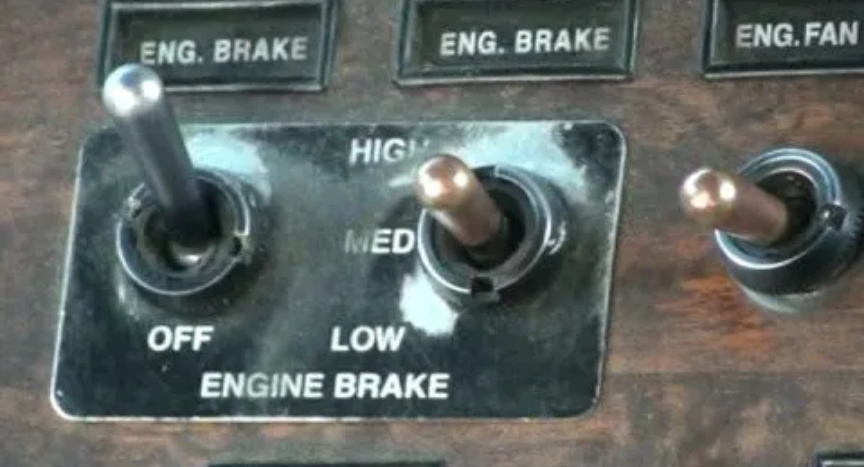
The Jake Brake acts as a compression release engine brake. When engaged, it manipulates the exhaust valves, opening them at the peak of the compression stroke to release compressed air. This mechanism transforms your engine into a powerful air compressor, effectively reducing the vehicle’s speed without over-relying on traditional wheel brakes.
Not only does this extend brake lifespan, but it also offers a smoother and safer descent, especially on steep or lengthy downgrades.
That Iconic Sound
The signature “brrrrap” you hear when a truck uses a Jake Brake is more than just noise—it’s the sound of compressed air escaping the engine’s cylinders. While it serves as a reassuring sign for drivers who understand its value, it’s also led to noise ordinances in many urban areas seeking to curb its auditory impact.
Advancements in Engine Braking Technologies
Fast forward to 2022, Cummins Inc. acquired Jacobs Vehicle Systems, signaling a new era of innovation in engine braking technology. By fostering advanced integration, the Jake Brake continues to mature, offering broader applications and improved efficiency tailored to today’s trucking demands.
A Name that Honored Innovation
Ultimately, the nickname “Jake Brake” pays tribute to the trailblazing Jacobs Vehicle Systems. Understanding its origins and engineering marvel offers a richer appreciation for how impactful this innovation has been—not just in transforming heavy-duty trucking but in setting benchmarks for vehicle safety and performance.