
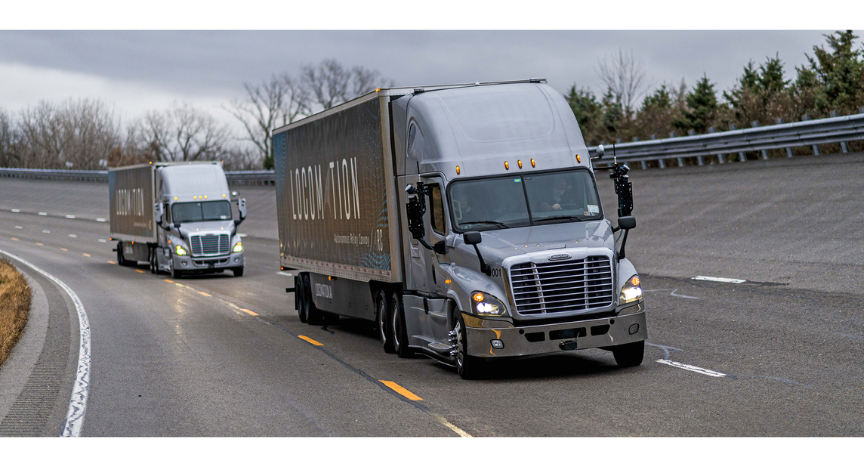
Semi-autonomous trucking technology is officially hitting the road along Interstate 70. This week, two semi-trucks outfitted with advanced platooning systems began hauling freight between Columbus, Ohio, and Indianapolis, Indiana, as part of a pilot program for Ease Logistics.
Advancing Automation with Strategic Cooperation
This initiative stems from a partnership between the Ohio Department of Transportation (ODOT)’s DriveOhio program and the Indiana Department of Transportation (INDOT). The goal? Pave the way for broader adoption of automation in the American Midwest’s logistics sector.
Historically, testing for automated vehicles has been concentrated in regions with stable, predictable weather. However, ODOT emphasizes the necessity of validating these systems under harsher conditions to ensure safety and reliability, particularly in environments like the Midwest, which is prone to adverse weather patterns.
How Platooning Works
The two Ease Logistics trucks are equipped with advanced platooning technology from Kratos Defense. This system electronically links the two vehicles, allowing the lead truck’s driver to manage both speed and steering for its partner vehicle. During stretches of the trips, the follower truck will automatically handle essential functions like steering, braking, and adjusting speed.
Despite the automated capabilities, professional drivers always remain in the driver’s seats of both trucks. These drivers can take complete control of their vehicles if needed by disabling the automated systems.
“At Kratos, we have adapted advanced automated truck platooning technology — originally developed for the U.S. military — to address critical challenges facing commercial logistics, agriculture, energy, and mining sectors, all vital to national security,” said Maynard Factor, VP of Business Development at Kratos Defense. “This project offers a real-world opportunity to demonstrate how proven automated driving systems can increase safety, strengthen supply chain resilience, and ensure economic vitality.”
Factor also highlighted the value of demonstrating these systems along the Columbus-to-Indianapolis corridor, noting the importance of testing in complex, variable weather conditions. “to showcase performance in complex, all-weather conditions essential to Midwest freight operations and accelerates readiness for broad adoption.”
Smarter Trucks for Safer Roads
The trucks are also outfitted with cutting-edge sensors and cameras that allow the following vehicle to detect objects and adjust speed or stop if anything enters the space between the two trucks. Unlike traditional truck formations, the closely-platooned follower truck maintains a much shorter gap than usual. To ensure transparency, a purple light on the cab indicates when the platooning mode is engaged, alerting law enforcement and nearby drivers that the trucks are digitally connected.
Funding and Broader Goals
This deployment is just one element of a multi-year, $8.8 million endeavor funded partly by a U.S. Department of Transportation grant. The overarching aim is to integrate platooning and other automation technologies into regular freight-hauling workflows, experimenting with various automation levels to uncover their full potential in trucking fleets.
Source: Commerical Carrier Journal
Source Image: SAE International