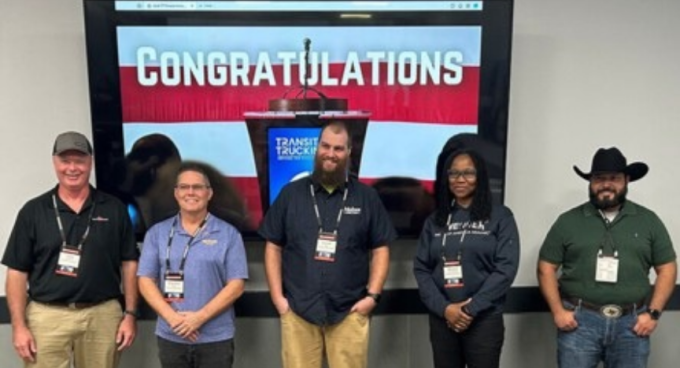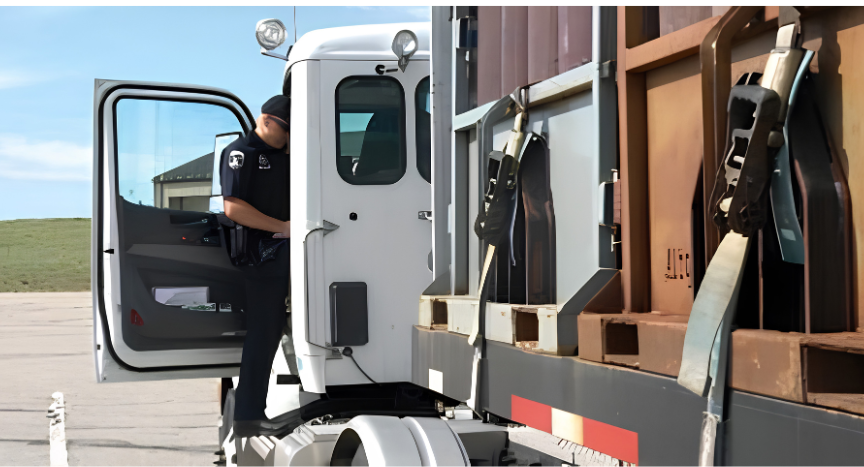

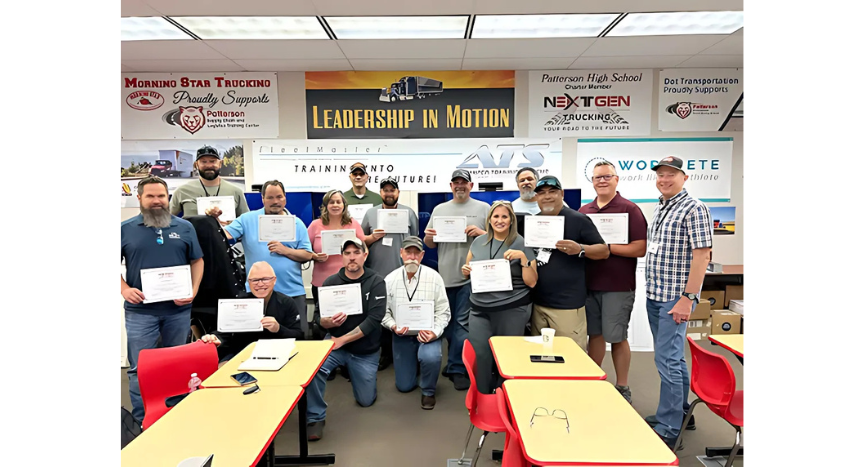
Attracting the next wave of professional drivers is an urgent goal facing the trucking industry. This June, Patterson High School in California became the meeting ground for educators from across nine U.S. states and Canada as they took part in the two-day ‘Train the Trainer’ event, hosted by Next Gen Trucking (NGT). With a mix of hands-on activities, exposure to the latest training technology, and opportunities for real-world insight, the event focused on preparing teachers to start or strengthen high school trucking programs—an essential step for the industry’s future.
Building a Pathway for Students
The driving force behind the initiative is NGT co-founders David Dein and Lindsay Trent. Since starting a pioneering high school trucking curriculum at Patterson in 2017, NGT has helped spread similar opportunities to more than 50 schools nationwide. Their core aim is to make transportation and logistics careers accessible—and appealing—for young people, ensuring they leave school with skills in high demand. Dein’s vision has turned into a movement, fueled by federal, state, and private support.
Real Stories and Connections
Trevor McKee, an instructor with the Manitoba Trucking Association, traveled from Canada to experience the event firsthand. Reflecting on the experience, he said, “Engaging with Dave, Glenn, and their students provided a meaningful perspective on the potential direction of our own developing program. Additionally, connecting with fellow educators allowed me to gather innovative ideas and best practices that we can implement both now and in the future.” These kinds of connections aren’t just networking—they’re turning points for building a broader community of educators committed to making trucking a classroom reality.
Immersive Activities That Make a Difference
Attendees didn’t just sit through presentations—they got out of their seats and into real (and simulated) vehicles. One key exercise saw participants try to drive a golf cart while wearing “Fatal Vision” goggles. The task mimicked impaired driving, highlighting for future teachers the immediate impact of safety lessons on students. The hands-on portions of the event are meant to be unforgettable and easy to replicate, so trainers can inspire their own classes with the same sense of urgency and responsibility.
Embracing Technology in Truck Driver Training
One of the highlights was the discussion and demonstration around advanced driver training simulators, with Enrique Mar from Advanced Training Systems sharing how artificial intelligence is modernizing instruction and boosting safety. On a guided tour at PHS, educators examined the latest ATS simulators, experiencing the value of virtual reality in helping students build confidence and agility behind the wheel—well before they ever approach a real truck.
Glenn Ecalne, who teaches supply chain and financial literacy at PHS, also showcased how his program’s blend of classroom theory and practical experience sets a template for other schools. Patterson’s supply chain program provided an eye-opening example for many visitors, some of whom hope to launch similar initiatives back home.
Open Dialogue and Shared Insight
All through the event, teachers swapped stories and advice, cementing a sense of partnership. Panels included current and former students, giving educators direct feedback about what works and what doesn’t in trucking education. The event wrapped up with a Q&A session that turned into an organic brainstorming hour. As McKee succinctly shared, “I highly recommend this training to others in the field. For those already delivering similar programs, this experience offers valuable insights into the transportation, logistics, and supply chain industries.”
Commitment from Leaders and Sponsors
Backing from sponsors—including Advanced Training Systems, Tenstreet, and SambaSafety—was instrumental. Just as crucial was the enthusiastic endorsement of Dr. Reyes Gauna, superintendent of the Patterson Joint Unified School District, who assured educators: his office stands ready to help others develop robust technical and vocational curriculums.
Why Early Trucking Education Matters
With the trucking sector facing chronic driver shortages, reaching students before graduation is more important than ever. Most can’t get a commercial driver’s license while still in high school, but programs like those created by NGT offer essential exposure, technical knowledge, and hands-on safety training. Many students who have passed through these programs have gone on to earn CDLs and begin their careers in the industry.
By nurturing this early interest and equipping students with practical skills, NGT-supported schools are addressing real workforce gaps while giving young people a launchpad into one of the economy’s most essential industries.
Source: Patterson High School
- CDL training
- driver safety education
- driver training simulators
- future truck drivers
- high school CDL programs
- high school vocational programs
- logistics education
- Next Gen Trucking
- Patterson High School
- supply chain education
- Train the Trainer event
- transportation careers
- truck driver shortage
- truck driver training
- truck driving curriculum
- trucking education
- trucking teacher training
- trucking workforce development
- vocational education
- youth in trucking