

The trucking industry is in the middle of a major shift, and this time it’s not just about fuel prices or freight demand. Environmental goals and cleaner technology are directly influencing how trucks are built, operated, and maintained. These changes aren’t decades away; many are rolling out right now, and they’re setting the tone for what the road ahead will look like for drivers and fleets.
Tighter Emissions Standards Across the Board
The Environmental Protection Agency has approved new emission rules for heavy-duty trucks that will apply to incoming model years starting in 2027. The goal is to cut nitrogen oxides and greenhouse gas emissions significantly over the next decade. Instead of prescribing one technology, the rules allow fleets to choose cleaner solutions that work for them — whether that’s battery‑electric, hydrogen fuel cell, or upgraded diesel engines with stronger emission control systems.
Several states are going above and beyond these requirements. California, for example, is pushing ahead with its Advanced Clean Trucks and Advanced Clean Fleets programs, which set a timeline for phasing in more zero-emission trucks and aim for a mostly zero-emission medium‑ and heavy-duty fleet by 2035. Other states are following similar paths, so interstate drivers may encounter different standards depending on the routes they run.
What Fleets Are Doing to Keep Up
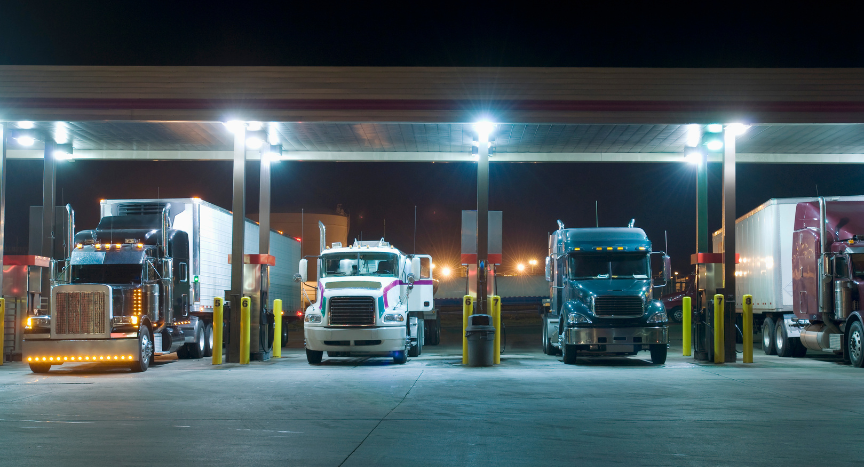
The changes aren’t happening in theory; they’re visible in company yards. More carriers are adding electric or hydrogen-powered rigs where the infrastructure supports them. For fleets that aren’t ready to switch entirely, retrofits like diesel particulate filters and selective catalytic reduction systems are helping older trucks meet tighter emission limits.
Fuel efficiency upgrades are also in the spotlight. Better aerodynamic designs, tires with lower rolling resistance, and lighter truck components are all being deployed to cut both fuel use and emissions. Programs like the EPA’s SmartWay recognize fleets making measurable progress in this space, which in turn can help carriers win contracts with shippers who value sustainable transport.
What Drivers Might Notice
For most drivers, the steering wheel, gears, and daily grind won’t change overnight. But you will likely start noticing more electric rigs in the yard, new refueling or charging setups, and trucks with systems designed to run cleaner. These changes can make for a quieter cab, potentially better fuel mileage, and in some cases less frequent maintenance on certain components, though some of the new systems require their own specialized care.
Why This Matters to the Job
Cleaner trucks mean meeting environmental targets, but they also frequently bring cost advantages over time. Lower fuel bills, the possibility of fewer mechanical issues, and compliance with tightening rules all play into a fleet’s ability to stay competitive. And for drivers, adapting to these changes keeps you aligned with a rapidly evolving industry.
Looking Ahead
Sustainability in trucking is no longer just a future goal; it’s part of everyday operations. As the push for lower emissions continues, drivers and fleets that stay informed and flexible will be best placed to succeed, all while helping reduce the industry’s environmental impact. This is the road the industry is on, and everyone who moves freight has a role in where it leads next.
- California clean trucks program
- clean truck technology
- electric trucks
- EPA emissions standards
- fleet sustainability strategies
- fuel efficiency in trucking
- green trucking industry
- hydrogen fuel cell trucks
- SmartWay fleets
- sustainability in trucking
- sustainable transportation
- trucking industry emissions
- Trucking industry trends
- trucking regulations 2027
- zero-emission trucks