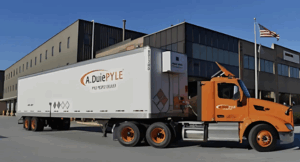


Today’s trucks are built with advanced technology that helps both drivers and fleet managers keep vehicles running smoothly and avoid costly breakdowns. Predictive maintenance makes use of live data from sensors, telematics, and onboard diagnostics to stay on top of truck health. This way, small problems get fixed before they balloon into bigger issues, saving money and decreasing downtime for everyone involved.
What Is Predictive Maintenance and Why Should It Matter To You?
Unlike maintenance schedules that rely on fixed intervals, predictive maintenance watches how a truck’s parts actually perform. By continuously checking the condition of things like engine parts and brakes, it ensures repairs happen exactly when they are needed, not before, not after. This method effectively prevents unexpected breakdowns that drain time and money.
Sensors fitted to modern trucks track a whole range of indicators, from temperature levels to tire health. Then, the software reviews this data closely to catch even subtle signs of trouble early on.
Making Sense of Those Diagnostic Codes
Trucks produce many diagnostic codes, which can seem confusing at first. Here’s the best way to use them:
- Always refer to your truck’s manual or the telematics system to understand what each code means and what needs to be done about it. Don’t just clear codes without following up.
- Watch for codes linked to major systems like the engine or brakes, especially if the same codes keep showing up or get worse over time. These usually point to growing problems.
- Many predictive tools help by ranking codes according to urgency based on past breakdown data, so you can tackle the most critical fixes first.
How Telematics Helps Spot Problems Early
Telematics does more than show where your truck is; it gives a clear picture of its condition:
- By monitoring things like coolant temperature, battery status, and tire pressure, you can catch small issues before they grow into bigger ones.
- Tire sensors detect slow leaks or overheating, warning you in time to prevent blowouts.
- Some systems analyze how your truck is driven and where, helping predict when parts might wear out so you’re not caught off guard.
Recognizing Warning Signals Before They Lead to Trouble
Sometimes, small changes in how a truck feels or performs are early signals of bigger issues:
- Unusual vibrations, decreased fuel efficiency, and slight rises in temperature often happen before dashboard alerts light up.
- If shifting gears feels strange, steering isn’t responsive like usual, or brakes aren’t as effective, don’t wait, get it checked.
- Advanced systems include alerts from manufacturers with model-specific advice, helping you stay even more prepared.
Tips to Maximize Predictive Maintenance Benefits
Here’s how drivers and fleet managers get the most from predictive maintenance:
- Keep sensors and diagnostic tools calibrated so data stays accurate.
- Bring all data sources into one place for a full view of every truck’s status.
- Use up-to-date data instead of waiting for reports that could be days old.
- Give maintenance crews clear, data-backed info so they can work efficiently.
- Regularly review and refine predictive tools to boost accuracy and decrease surprise repairs.
Why This Approach Pays Off
When done right, predictive maintenance leads to:
- Cutting maintenance costs by up to 30% and reducing breakdowns by as much as 70%.
- Less emergency repairs and fewer hours lost in garages.
- More reliable trucks mean better service, happier drivers, and a stronger business reputation.
Predictive maintenance changes how truck drivers and fleet managers handle repairs and upkeep. By understanding diagnostic codes, using telematics insights, and taking action early, they prevent many breakdowns from happening in the first place. This proactive strategy saves money, increases uptime, and keeps trucks rolling safely and reliably.