
Atlanta’s reputation as a major logistics hub means truck drivers encounter one of the most demanding traffic environments in the country. For those behind the wheel, mastering the intricacies of Atlanta’s traffic flow can be the difference between a smooth route and frustrating delays or unsafe situations.
Key Highways Where Truck Drivers Face the Toughest Challenges
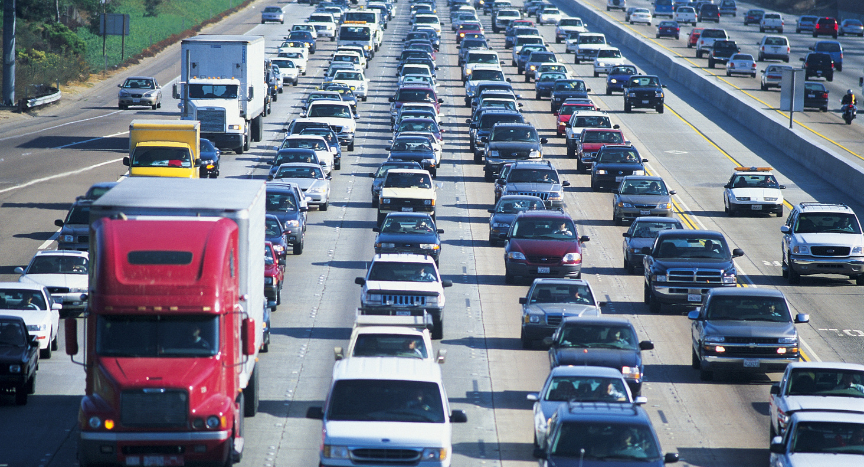
The I-285 beltway envelops Atlanta and is infamous for snarls, particularly around the junctions with I-20 and I-675. Picture merging into lanes clogged with a mix of daily commuters and heavy freight trucks—quick decisions and careful spacing become necessary. Drivers on this stretch frequently report encountering sudden slowdowns that sometimes lead to collisions if caution lapses.
Downtown’s very own lifeline for traffic, the I-75/I-85 Downtown Connector, demands utmost focus. Trucks face constant lane drops and tight exit intervals, especially when rush hour fills the asphalt with bumper-to-bumper traffic. Navigating this section requires staying alert for impatient drivers and unexpected stops.
On Interstate 20, frequent construction zones and narrowed lanes add to the stress, notably near entertainment hubs like Six Flags and further east towards Conyers. Even State Route 400, though less of a highway, presents its own hazards in northern suburbs where space is at a premium and commuters don’t always yield easily to larger vehicles.
Patterns in Traffic Flow Drivers Need to Know
Traffic congestion in Atlanta rarely follows a neat schedule anymore. Recent shifts have stretched peak congestion far beyond the traditional morning and evening rushes. Surprisingly, Thursdays now witness heavier traffic jams than Fridays, compressing the week’s busiest driving periods. Midday traffic snarls have also grown, prolonging times drivers spend inching forward on congested routes.
In addition to stop-and-go patterns, speed limits seem to fluctuate unexpectedly throughout the city’s roadways, demanding that drivers stay precisely attentive to changing signs. Aggressive driving behaviors from other motorists further increase the pressure, making defensive driving more critical than ever.
Strategies for Safer and More Efficient Truck Driving in Atlanta
Savvy drivers understand that timing is everything in this city. By scheduling trips outside of peak congestion, they avoid most of the frustrating delays. Employing GPS devices or apps specifically designed for commercial vehicles empowers drivers by providing real-time updates on road restrictions and active construction.
Maintaining increased space in heavy traffic smooths reactions to sudden stops or merges. Coming prepared for abrupt lane drops, especially on the Perimeter and Downtown Connector, helps reduce collision risks.
Communication plays a role, too. Drivers who update dispatch about possible delays keep expectations clear and avoid last-minute surprises for everyone involved. Keeping an eye on traffic alerts also enables on-the-fly reroutes, shaving off precious time and reducing stress.
Atlanta’s traffic maze undoubtedly tests truck drivers’ skills and patience. However, understanding when and where congestion strikes, paired with smart driving tactics, can transform a daunting drive into a manageable one. With foresight and focus, drivers can keep themselves safe and deliveries on track in this bustling city.