
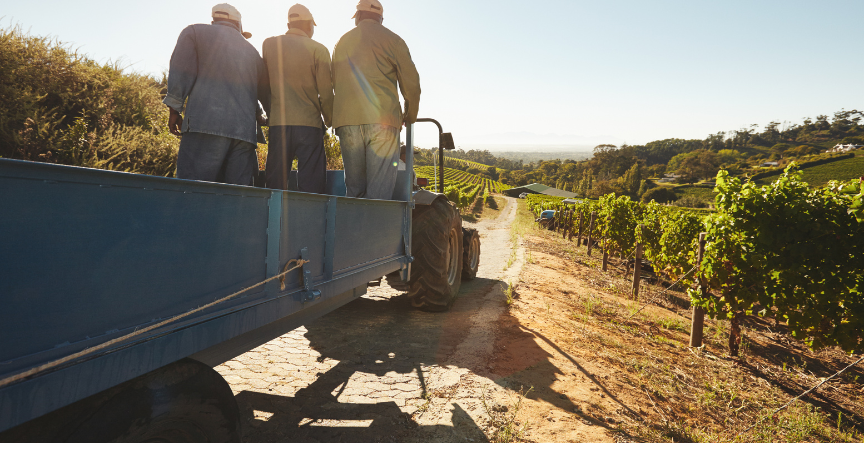
Every Kansas agricultural hauler should know whether a load qualifies for the Covered Farm Vehicle (CFV) exemption. CFVs include trucks or trailers operated by a farmer or family member transporting crops, livestock, machinery, or supplies to and from a farm. These vehicles do not require a CDL when operated within 150 air miles of the farm, provided they’re not hauling hazardous materials needing a placard. Interstate trips within the exempt radius cross state lines legally, but if the drive goes beyond 150 miles or involves contracts/carriers, CDL rules apply. Review the Kansas Highway Patrol and KCC guidelines to confirm your vehicle’s compliance status before moving farm freight.
Key Registration, Markings, and Licensing Details
All commercial farm vehicles in Kansas must be properly registered, displaying the specific farm plate or covered farm vehicle designation. For vehicles exceeding 26,001 pounds, registration under the International Fuel Tax Agreement (IFTA) may be required for interstate trips. Display your USDOT number and ensure all relevant state IDs are visible. Permits are mandatory for oversized or overweight loads—acquire these before you haul, especially during harvest seasons when emergency permits allow limited tolerance beyond legal weight thresholds. Kansas restricts overhangs (3 feet front, 4 feet rear) and limits total truck-trailer combinations to 65 feet in length. Always confirm visibility requirements and never operate with load obstructions or poorly secured cargo.
Navigating Axle, Weight, and Size Rules
Freight dimensions and weight matter throughout Kansas. Loads over 8’6” wide, 14’ high, or 80,000 pounds gross require special permits. For single axles, keep the weight below 20,000 pounds, and for tandem, 34,000 pounds. If your equipment or commodity exceeds these limits during harvest, emergency permits can allow up to 10% overweight, but only for urgent agricultural shipments. For particularly large loads, escorts and limited travel times apply; review Kansas DOT travel hour restrictions before planning oversized moves.
Hours of Service and Logbook Exemptions
Federal exemptions let Kansas farm drivers skip logbooks when transporting farm freight within 150 air miles and during planting or harvest seasons. This makes it easier to respond quickly to weather changes and field demands. For trips outside the exempt radius or for non-seasonal moves, standard Hours of Service rules and ELD logging apply. The Kansas Farm Bureau provides additional resources on both state-specific rules and federal exceptions. Review the latest FMCSA guidance if your route combines state and interstate hauls.
Safety Checks and Load Securement
Kansas law requires all commercial farm vehicles to meet strict standards for brakes, lights, and securement. Loads that leak, fall, or sift attract serious penalties. Inspect tie-down points, tarps, and straps before every trip. Oversized movements require “Oversize Load” signage and red or orange flags marking the load’s widest points. Visibility matters; do not transport oversize or overweight loads if visibility drops below half a mile or roads are obstructed by snow or ice. Failure to follow the Kansas load securement law risks fines, delays, and safety violations.
Specialized Compliance for Custom Harvesters
Custom harvesters must secure extra permitting for multi-state operations, especially when moving cotton modules and specialty crops. Kansas allows up to six 30-day harvest permits per vehicle, but permits do not increase registered gross weight. If you’re bringing harvest equipment back from another state, confirm both Kansas and destination rules before returning. If you tow multiple trailers, ensure each meets the lighting and brake rules required for safe operation under Kansas regulations.
Action Steps to Maintain Agricultural Compliance
- Classify vehicles correctly and determine if they fit CFV exemptions or conventional contracts.
- Register each vehicle and display all necessary plates, permits, and official markings.
- Inspect and document equipment for size, weight, and securement before every move.
- Acquire overweight/oversize permits for eligible harvest hauls; track permit limits per vehicle.
- Use Farm Bureau, DOT, and Highway Patrol online resources for up-to-date rule changes and printable checklists.
Kansas agricultural freight regulations help drivers, farm operators, and custom harvesters keep products moving efficiently, while avoiding compliance mistakes that waste time and money. By staying up-to-date and organized, haulers protect their business and serve the state’s critical farm economy.