
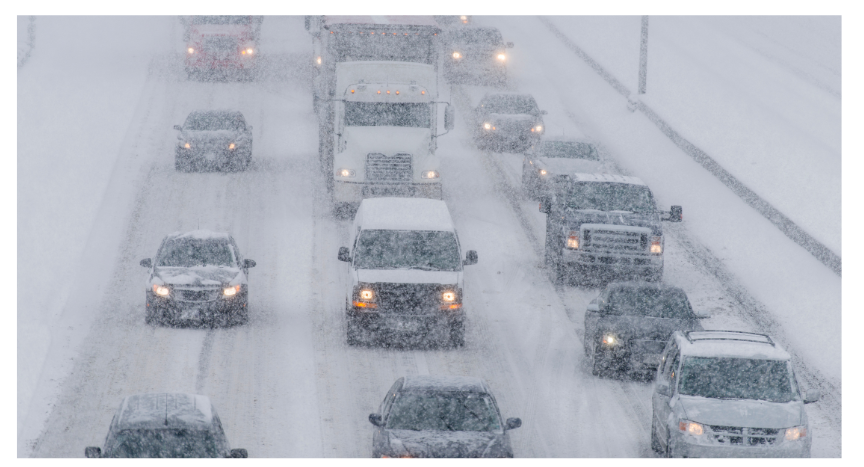
Winter in the Upper Midwest is far from typical winter driving conditions. Minnesota, Wisconsin, and Michigan regularly experience heavy snow, sudden ice formation, fierce winds, and lake‑effect snow that can turn a planned delivery into a risky situation if not properly prepared for. Snow totals can vary dramatically across these states; for example, northern Wisconsin near Lake Superior sees average annual snowfall as high as 200 inches, while the southern parts of the state average closer to 40 inches. Wind-driven events and freezing drizzle or fog also make ice buildup a constant concern.
This guide focuses on practical strategies truckers and fleet managers can use to stay safe and efficient during winter operations, backed by safety data and regional weather patterns.
Winter Weather and Road Conditions Truckers Must Know
Winter weather makes roads unpredictable. In Michigan alone, crash data shows that snowy and icy road conditions contribute to a significant portion of traffic collisions; nearly 10 percent of all reported crashes involve roads covered in snow, ice, or slush, and almost 8 percent of injury crashes occur under these conditions. These numbers highlight how widespread winter road hazards are, even with modern road maintenance.
Wisconsin Department of Transportation statistics show that 35 to 40 winter weather events affect the state each season, including snowstorms, freezing rain, and blowing snow, and snowfall can range from as little as 19 inches to over 140 inches in areas like Iron County. Heavy snow events, frequent temperature swings around freezing, and sudden storms mean that winter routes must be dynamic.
Minnesota data also reflects variability: some winters bring statewide average snowfall of just over 20 inches, while others exceed 90 inches. Road maintenance costs and materials like salt and sand increase dramatically during major winter events, and the number of winter events can rise year to year, making planning essential.
Safety and Risk on Winter Roads
All three states issue winter travel advisories that reflect real hazards. For example, Wisconsin categorizes road coverage as normal, partially covered, or travel not advised, and provides live updates through its 511 system, which many truckers use for planning.
Michigan’s “Drive Slow on Ice and Snow” safety campaign exists because winter weather contributed to over 30,000 winter‑weather crashes in one season alone, including nearly 60 fatal incidents. These crashes remind planners that even experienced drivers must adjust for conditions.
Preparing the Truck and Crew for Winter Freight Runs
Winter readiness starts with the vehicle and extends to the driver’s preparation before every trip:
- Tires and Traction Equipment: Use winter-rated tires with adequate tread depth. In regions prone to drifts and deep snow, such as northern Wisconsin and the Upper Peninsula, carrying chains that meet federal and state requirements can be critical.
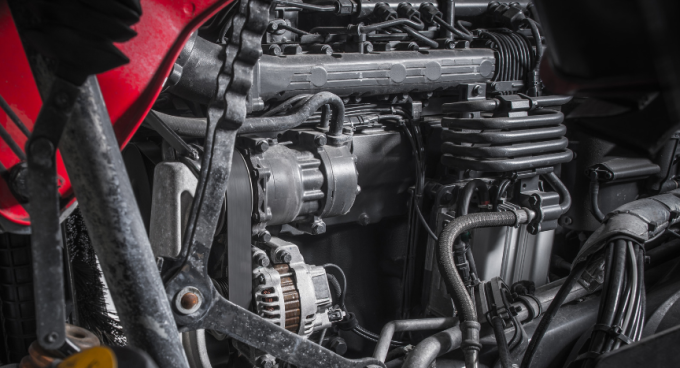
- Vehicle Systems: Cold affects batteries, antifreeze, and washer fluids. Trucks should be checked before departure to verify that systems function under extreme cold.
- Emergency Kit: Supplies should include ready-to-eat food, water, blankets, an ice scraper, a flashlight with batteries, and traction aids. These items support drivers if they become stranded due to weather or closure.
- Compliance with Regulations: States may have specific winter regulations, such as Michigan’s “Stay Back” law, requiring drivers to maintain distance from active snow plows, which reduces secondary collisions and improves safety for both plow operators and commercial drivers.
Route Planning That Works Under Winter Conditions
Selecting safe routes isn’t just about mileage. In the Upper Midwest, major interstates such as I-94, I-75, and US‑41 are usually prioritized for plowing and treatment. Secondary roads and rural highways often take longer to clear, and drifting snow can quickly cover shoulders and travel lanes. Checking before departure and frequently during the trip helps drivers avoid unexpected delays.
State 511 services in Minnesota, Wisconsin, and Michigan provide live updates on road conditions and closures. These resources are essential for planning because they can show real-time lane coverage, partial closures, and travel advisories that affect route decisions.
Operational planners should anticipate that winter storms can slow progress significantly. Allowing extra transit time, planning for slower average speeds, and building flexible ETA windows into customer communications reduces pressure on drivers to push through unsafe conditions.
Driving Practices That Reduce Crash Risk
Winter maintenance and planning are critical, but driving behavior remains one of the strongest defenses against winter accidents:
- Reduce Speed: Snow and ice make stopping distances longer. On snowy pavement, drivers often need to slow by 30 to 40 percent compared to dry conditions to maintain control.
- Increase Following Distance: Greater space between vehicles allows more time to respond to sudden slides or stops.
- Smooth Inputs: Sudden acceleration, braking, or sharp steering can cause loss of control on slick surfaces. Coaching drivers to use smooth throttle and brake applications improves stability.
- Hill Management: Lower gears help maintain traction on both ascents and descents without relying on braking alone.
Handling Winter Emergencies
Even the best plan may encounter issues:
- If Disabled: Stay in the vehicle if visibility is poor and contact dispatch or emergency services. Use hazard lights and reflective devices.
- Snow Drifts and Closures: In heavy snow events, drifting can isolate vehicles. Drivers should keep communication lines open and have GPS or mapping tools that show alternate routes.
Safety campaigns in these states emphasize that many winter crashes are caused by speed too high for conditions, loss of control on ice, or following too closely behind snow plows or other vehicles.
Maintaining Driver Health and Performance
Drivers are safer when they are warm, alert, and well rested. Winter conditions demand attention and longer reaction times. Registered training for winter operations and fatigue management enhances safety outcomes on lengthy routes.
Key Winter Trucking Strategies for Minnesota, Wisconsin, and Michigan
- Monitor weather and road condition systems such as state 511 services in Minnesota, Wisconsin, and Michigan before and during trips
- Prepare trucks with winter-rated components and emergency gear before every winter run
- Prioritize major interstates and highways that are cleared and treated first
- Adjust driving practices to reduce speed, longer stopping distances, and smoother control inputs
- Encourage regular check-ins with dispatch and use alternate routes when conditions deteriorate
- Train drivers in winter hazard recognition and emergency response protocols
Winter trucking in the Upper Midwest cannot be approached with a one‑size‑fits‑mindset. Snowfall variability, ice, and sudden weather changes require adaptable planning and disciplined execution if companies want to maintain safety and on-time performance.