
Truck drivers moving critical heating supplies in the Northeast now have temporary relief from standard hours-of-service limits. On December 12, 2025, the Federal Motor Carrier Safety Administration issued a Regional Emergency Declaration that allows eligible drivers to operate under emergency conditions.
The waiver specifically applies to drivers transporting propane, natural gas, and heating oil in Delaware, New Jersey, New York, and Pennsylvania. These drivers can exceed normal maximum driving hours while responding to the regional emergency.
Why the Waiver Was Needed
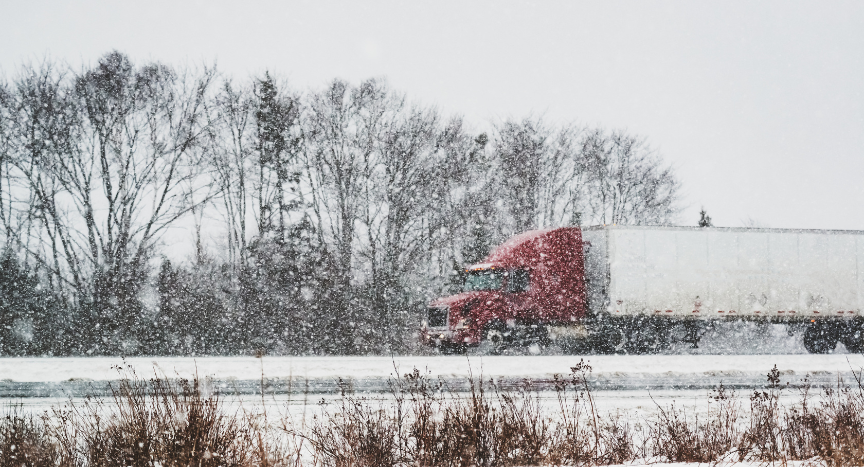
Severe winter storms and bitterly cold temperatures have created widespread challenges for heating fuel delivery. In addition, a power outage at a major gas refinery and industrial complex in Marcus Hook, Pennsylvania, disrupted propane shipments across the region.
FMCSA stated that the declaration was issued “in response to winter storms and cold weather in the affected states and a power outage at a major gas refinery and industrial complex in Marcus Hook, Pennsylvania, severely disrupting the flow of propane and the current and anticipated effects on people and property, including the immediate risk to public health, safety, and welfare.”
Guidance for Drivers
Truckers directly assisting the emergency are granted relief from 49 Code of Federal Regulations 395.3, which governs maximum driving hours for property-carrying vehicles. This temporary HOS relief is valid through December 26, 2025, or until the emergency ends, whichever comes first.
Drivers taking advantage of this waiver should:
- Keep records verifying participation in the emergency response
- Continue following all safety protocols despite extended hours
- Coordinate with dispatch to manage shifts and prevent fatigue
The FMCSA emphasized that the relief applies only to drivers hauling the specified heating fuels and involved in direct emergency response. Standard regulations remain in effect for all other operations.
This waiver helps ensure critical heating fuels reach communities in need while providing drivers with clear, temporary flexibility to maintain deliveries during severe winter conditions.
Source: Commercial Carrier Journal