
Bringing a pet on the road is part of everyday life for many professional drivers. With hundreds of thousands of dogs riding along in sleeper cabs each year, safety inside the truck matters just as much as what happens outside it. Volvo Trucks North America recently took a step that puts that reality front and center.
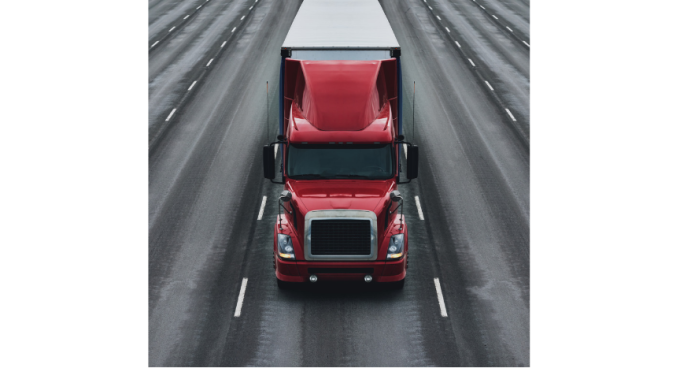
In a first for the heavy-duty truck segment, Volvo partnered with the Center for Pet Safety to evaluate its new long-haul Volvo VNL for in-cab pet travel. The result was a successful pass in a formal pet safety evaluation conducted earlier this month.
Why Pet Safety Matters in Long Haul Trucking
Volvo estimates that roughly 800,000 pets travel in commercial trucks across the United States. For drivers, pets are not accessories. They are companions and family. That makes secure travel and reduced distraction a real safety issue, not a lifestyle feature.
“To my knowledge, our Volvo VNL is the first heavy-duty truck ever to pass a pet safety test,” said Maddie Sullivan, product manager, Volvo Trucks North America. “Safety is in our DNA at Volvo, and that commitment extends to everyone who shares the road, including the pets that so many drivers consider family.”
Inside the Volvo VNL Pet Safety Evaluation
The evaluation took place on December 12 at the Volvo Customer Center in Dublin, Virginia. Specialists from the Center for Pet Safety conducted a hands-on assessment of the Volvo VNL cab design, focusing on how pets can be restrained and transported safely during real-world driving.
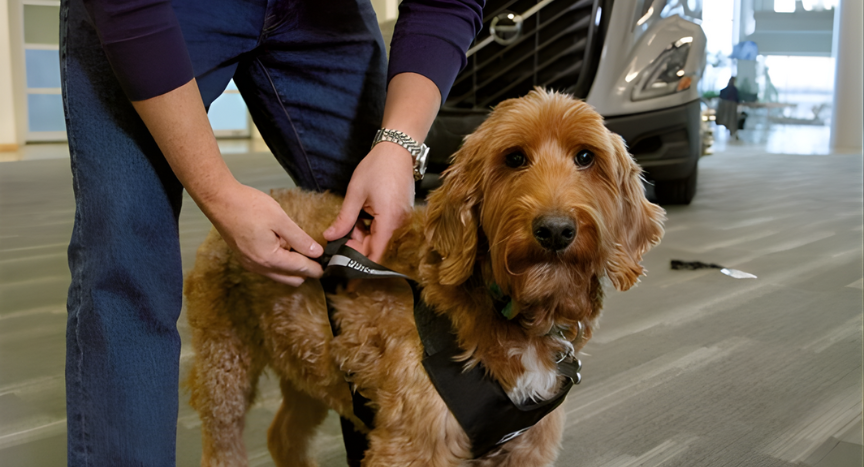
The review included inspection of interior layouts, strength-tested anchor points, available restraint connection options, and cab climate control. Dogs also rode along on the Volvo Customer Center test track using Center for Pet Safety-approved harnesses and carriers. This allowed evaluators to observe pet positioning, movement, and comfort under normal driving conditions.
“Evaluating the Volvo VNL in person allows us to examine how vehicle design, securement points, and cab layout all work together to impact pet safety,” said Lindsey Wolko, founder and CEO of the Center for Pet Safety. “By working directly with Volvo’s engineers and product teams, we can evaluate real-world cab features, identify the safest places for pets to ride, and help drivers make choices that keep pets secure while reducing distractions, especially during busy holiday travel.”
What Helped the Volvo VNL Pass the Test
According to Volvo, several built-in features contributed to the successful evaluation. The VNL includes strength-tested anchor points that are compatible with Center for Pet Safety-certified harnesses and carriers. These anchor points help keep pets restrained during sudden stops or evasive maneuvers.
The truck also features the Volvo Parking Cooler, a climate control system designed to maintain safe interior temperatures for up to eight hours without idling. This is especially important for drivers traveling with pets during temperature extremes.
In addition, Volvo noted that the VNL’s strength-tested mesh bed design showed strong potential as a safe rest area for pets, with only minor adjustments needed to support secure travel.
“The Volvo VNL was designed to support life on the road, and working directly with the Center for Pet Safety helps us better understand how our design choices can support safer, more comfortable travel for drivers and their furry co-pilots,” Sullivan said.
Practical Takeaways for Drivers and Carriers
While the evaluation focused on one specific truck model, the findings highlight broader lessons for the industry. Proper restraint systems matter. Anchor points and certified harnesses reduce risk for both pets and drivers. Climate control is critical for safety, not just comfort. Cab layout and secure rest areas can help minimize distraction during long hours behind the wheel.
For fleets, the evaluation reinforces how in-cab design can support driver wellbeing and focus. For owner operators, it provides reassurance that pet travel can be done responsibly with the right equipment and planning.
Holiday Travel and Pet Safety on the Road
As part of the event, the Center for Pet Safety also shared seasonal reminders for drivers traveling with pets during the winter months. These included securing pets properly, packing essentials, planning rest stops, and preparing for cold weather conditions.
The guidance aligns with the Center’s ongoing mission to improve safety for families and pets traveling year-round.
For drivers who rely on a four-legged copilot to make the road feel like home, the Volvo VNL evaluation marks a meaningful step forward in acknowledging that reality and designing trucks that support it safely.
Source: The Trucker