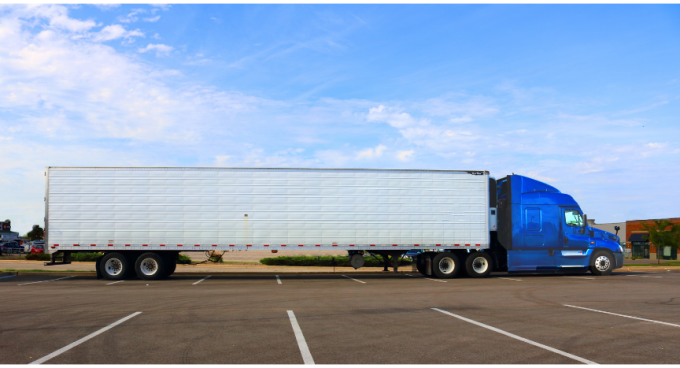


Truck drivers who stick around longer with their fleets often point to better home time, reliable schedules, and feeling respected on the job. Recent surveys show more than half of drivers are actively looking for new work, but those who stay value carriers that deliver on these basics consistently across different parts of the country.
Truck Driver Turnover Trends by Region
National surveys from late 2025 paint a clear picture of the trucking workforce. Over 56 percent of drivers reported searching for new jobs, up sharply from earlier in the year, with turnover rates for large truckload carriers averaging around 90 percent annually based on long-term American Trucking Associations data.
This churn hits hardest in regions with heavy freight demand and long-haul routes. Midwest carriers, for example, have reported turnover as low as 32 percent in some operations compared to the broader industry average, thanks to focused efforts on driver input and scheduling. Southern and Western regions face higher pressure from booming ports and e-commerce, while Northeast fleets deal with traffic and shorter hauls that still demand reliability.
Fleets that keep drivers longer invest in what matters most, and those patterns show up differently depending on where the trucks roll.
| Region | Approximate Annual Turnover Range | Top Retention Factors from Driver Surveys |
| Midwest | 30-50% | Consistent miles, dispatcher communication |
| South | 70-90% | Home time predictability, equipment quality |
| Northeast | 60-85% | Respect from management, benefits access |
| West | 75-95% | Reliable pay structure, training programs |
Key Factors That Help Drivers Stay Put
Home time tops the list every time. In a fall 2025 survey, 58 percent of drivers named it as their main reason for seeking a change, with 61 percent willing to take slightly less pay for more days at home.
Predictable pay and steady miles come next, cited by over half of respondents. Drivers also mention dispatcher respect and clear communication as deal-makers, with nearly one in four feeling undervalued at their current spot.
These elements play out regionally. Midwest fleets often succeed with transparent scheduling that matches driver feedback, keeping turnover lower than national norms. In the South and West, where freight volumes fluctuate, carriers that maintain consistent equipment and quick issue resolution hold onto talent better.
How Fleets Build Loyalty in Tough Markets
Carriers responding to these trends focus on listening. Structured feedback channels and acting on driver input lead to higher satisfaction, as shown in multiple industry reports.
Newer equipment and training also matter. Access to reliable trucks reduces downtime frustration, a common complaint in high-turnover areas like the West Coast ports.
Demographics add another layer. Nearly half of drivers are 56 or older, so fleets offering flexible schedules appeal to those balancing work and retirement plans.
Which Regions Report Better Truck Driver Retention?
Surveys show the Midwest often leads with lower turnover, around 30 to 50 percent in standout carriers, compared to 75 to 95 percent in the West. Factors like steady Midwest manufacturing freight help, but it’s the focus on communication that sets top performers apart.
Do Drivers in Your Region Stay Longer with Carriers?
It depends on the fleet. In the South, where turnover runs 70 to 90 percent, drivers stick with companies offering solid home time and pay predictability. Northeast hauls see similar patterns, with respect and benefits tipping the scale for longer tenures.
What Are the Top Reasons Drivers Stay with Fleets in Different Regions?
Home time, consistent miles, and feeling respected rank highest nationwide, but regional specifics tie to local freight. Texas fleets in the South emphasize equipment, while Washington carriers in the West prioritize training amid port growth.
Search truck driver jobs near you on TruckDriversUS.com to find fleets in your region that drivers tend to stay with longer.