
When we asked the Truck Drivers USA community, “What’s one winter driving hack you swear by that newer drivers might not think about?” the responses poured in from drivers with decades behind the wheel.
What stood out most was not one single trick. It was mindset, preparation, and knowing when to ease up or shut down. Below are real-world winter driving tips from professional drivers, shared in their own words, matched exactly to who said them.
Slow Down and Drive to Conditions
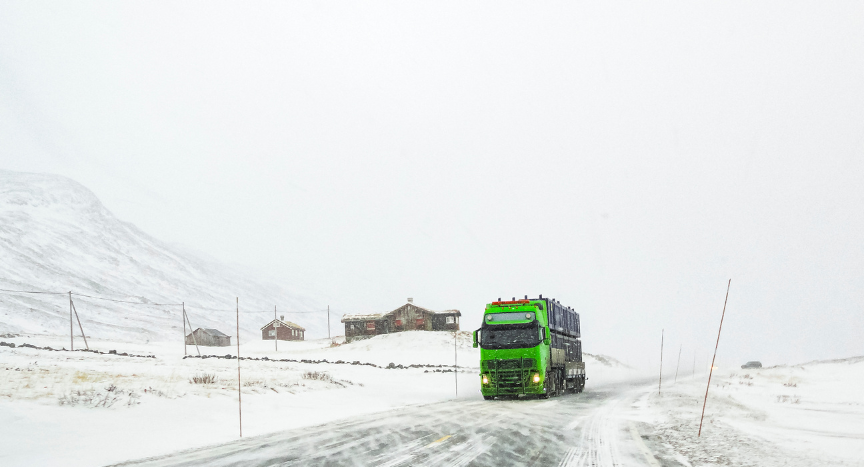
If there was one theme repeated across the board, it was this. Speed is the difference between control and chaos on snow and ice.
Jacob Samuel Sadler said it plainly.
“Drive slower in snow and ice. If you see a long-nosed Pete passing you, that doesn’t mean you can drive as fast as him.”
Darrell Lawler kept it simple.
“Snow, go slow
Ice, no dice.”
Jeff Gilliam emphasized it.
“Slow. Drive slower. Did I mention driving slower?”
Marshall Vann added
“If you break traction, lower your speed by 5 mph until you feel comfortable.. Drive YOUR speed, let the COWBOYS go, you will pass them up the road.”
Patrick Williams, a fuel transport driver with a clean record, shared his rule.
“My motto I live by as a fuel transport driver: ‘You can only drive too fast one time, or you can drive too slow all of the time.’
20+ years, zero accidents, zero tickets.”
Sharon Elaine reminded newer drivers.
“Don’t let anyone convince you it’s ok to drive if it’s not. Sometimes you have to convince yourself not to go. It’s better to lose a day’s pay than to lose a life and/or career.”
Winter rewards patience. It punishes the ego.
Know When to Park It
Experience teaches that sometimes the smartest move is shutting down.
Donald Peth said
“Pull over and park it whenever it gets really bad.”
Diane Stahr Hess shared her three P’s
“I had the three P’s: pullover, park, and pray. Especially if conditions were questionable.”
Leslee Lloyd put it in perspective.
“If the roads get too bad, PARK IT! Your load and your deadline aren’t worth more than your life and the hearts of those waiting at home for you.”
Larry Weigel reinforced it.
“Get off the road! If it doesn’t feel right or safe, you have the right to find a haven. No load is worth your life!”
And from the dispatcher side, Anita Lee Burley said
“As a dispatcher, I’m going to trust my driver’s instincts. Y’all are the ones who hold that special license, so if y’all don’t think the roads are safe, I’m not going anywhere either lol.”
Professional judgment is part of being a professional driver.
Ease Into Everything
Abrupt inputs cause slides. Smooth inputs prevent them.
Lisa Hopcroft advised
“Foot off the brake pedal. Do everything slowly and easily. No quick braking or quick turns.”
Truck Dynasty Driving Academy, LLC, explained it well.
“Back it up before you need it.
Winter ain’t about slamming brakes—it’s about easing into everything early. Turns, lights, lane changes. If you’re rushing the truck, you’re already behind.”
Richard Yeargan added
“Don’t hold your brake, instead apply then release, apply then release.”
Frank Fisher kept it simple.
“Space cushion”
Smooth throttle, smooth steering, smooth braking. That is winter control.
Watch the Road Surface Closely
Winter roads do not always look dangerous. The details matter.
Gene Conn shared a sharp observation.
“If the road you’re driving on is shiny, watch for spray off your tires. No spray, you’re on ice; if spray, you’re on wet road .”
Lesley Lankford noted
“If the corners of your windshield and the back of your mirrors are iced bridges, and overpasses are iced, and there’s no spray coming from the tires, the roads are frozen.”
Tanya Burnett reminded drivers.
“Bridges have ice before the roads do because of no ground under them to keep them warmer, making them more likely to be iced over.”
Learning to read surface clues can prevent a loss of traction before it starts.
Be Careful With Engine Brakes and Cruise Control
Several drivers warned about tools that can work against you on slick roads.
Maria DeGrave said
“Never use cruise when there could be moisture on the road.”
Heidi Moonier added
“Turn off your cruise control!!!”
Allen Marburger advised
“Slick roads don’t use engine break”
And Craig Walker shared
“Use a lower Jake brake setting, especially when empty, so in other words, let off the throttle to make sure that your tires aren’t going to slip and cause a jackknife or other situation.”
Winter traction demands controlled deceleration.
Load Weight and Traction Matter
For drivers running heavy freight, weight distribution can make a difference.
Howard Hammond said
“As a steel hauler. I would always try to load to the Mac on my drive axles.”
Teddy Lockhart explained a technique he used
“If I had to go, I would slide my fifth wheel back to get as much weight on my drives as possible. Then I might even slide the trailer tandem back a notch or two.
The steering will feel light, so keep it slow. But I never got stuck.”
Knowing how weight affects traction is part of mastering winter freight.
Keep Your Equipment Ready
Winter failures often start with overlooked maintenance.
Bradley Hall warned
“Stop and knock the ice off the grill every once in a while, or you’ll run hot.”
Jacob Parris covered the basics.
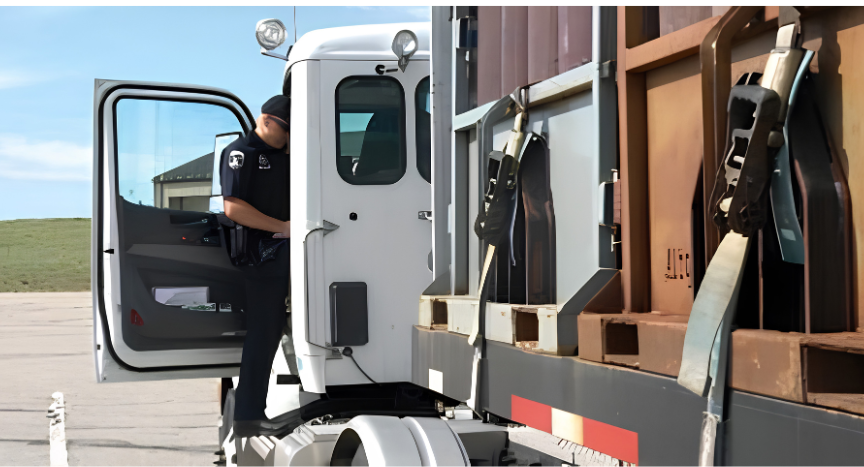
“making sure all snow and ice is secured off their vehicle, making sure all their lights are cleaned and equipment is working properly, treating fuel, and getting safely where they need to go.”
Mike Hein kept it simple.
“Turn on your headlights.”
Clean lights, treated fuel, and clear mirrors can mean the difference between visibility and risk.
Carry Emergency Supplies
Preparation off the road matters as much as skill on it.
Tony Nightengale said
“Always have a blanket, charger, and something to eat and drink for emergency purposes.”
Kevin Eller added
“Carry extra supplies, non-perishable food, and warm clothing.”
Tamara Lee shared
“Full tank of gas and thermal blankets!”
And Christopher Thrasher emphasized
“Have food and water on hand. Have a sleeping bag rated for -20, thermal clothes on hand, etc., in case of an emergency. Always have plenty of fuel and windshield washer fluid.”
Being stuck is inconvenient. Being stuck unprepared is dangerous.
Stay Mentally Focused
Distraction becomes more dangerous in winter.
Dana Rose said
“Always drive my truck without having a cell phone in front of my face.”
Billy Wilson added
“Keep the c.b on, pay attention, and drive slow.”
Joe Farkas summed it up
“Trust your Spidey senses if something feels wrong, stop, look around, and see if it’s safe to continue.”
Winter driving demands full attention and awareness.
Final Takeaway from Experienced Drivers
Across hundreds of comments, the consistent message was not a trick. It was discipline.
Slow down. Increase the following distance. Watch for ice. Keep equipment ready. Carry supplies. Trust your instincts. And when conditions demand it, park.
Winter driving is not about proving anything. It is about arriving safely.
If you are looking for a career that respects safety decisions and understands winter realities, explore open truck driver jobs on Truck Drivers USA and find an operation that backs you up when conditions turn bad.