

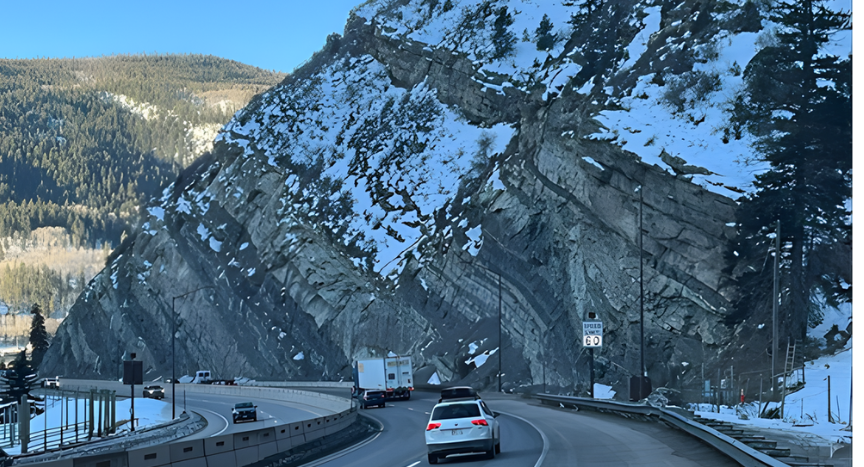
Truck drivers running Interstate 70 through the Colorado mountains now have a new factor to watch west of Vail. The Colorado Department of Transportation has activated 18 variable speed limit signs in Dowd Canyon between mile markers 169 and 173 in Eagle County.
For drivers hauling through one of the state’s busiest and most weather-sensitive stretches, the posted speed can now change in real time.
Where the Changes Are Happening
The new LED speed limit signs replaced the former fixed speed limit signs in mid-January. According to CDOT, the system went live after testing confirmed reliability and proper operation within the canyon.
Dowd Canyon is a high-traffic mountain segment with no frontage road, limited shoulders, and frequent congestion during winter storms, ski season, and peak travel windows. That combination makes it a priority area for safety upgrades.
How Variable Speed Limits Work
Unlike traditional signs that remain fixed year-round, these electronic speed displays adjust automatically. The system responds to:
- Traffic congestion
- Snow and icy road conditions
- Reduced visibility
- General adverse weather
Weather stations along the corridor feed data into the system. When conditions deteriorate, the posted speed drops. When conditions improve, the speed limit increases back to normal.
CDOT confirmed that the speed shown on the sign is legally enforceable. It is not advisory. Drivers exceeding the displayed limit can be cited.
What Drivers Will See on the Road
Some of the signs include flashing beacons. These flash only when the speed limit is lowered due to weather or traffic conditions. When the limit is normal, the beacons remain dark.
The corridor is monitored around the clock from CDOT operations centers located at Hanging Lake, the Eisenhower-Johnson Memorial Tunnels, and the Traffic Operations Center in Golden. The goal is to keep traffic moving while reducing crashes during peak congestion and winter weather.
Why CDOT Is Expanding the System
CDOT leadership describes the rollout as part of a broader safety strategy.
“This milestone represents CDOT’s investment into technologies to enhance driver safety and improve traffic flow along one of Colorado’s most heavily traveled mountain corridors,” said Shoshana Lew, CDOT executive director. “Statewide, weather- and congestion-based VSL algorithms are among the cutting-edge tools CDOT uses to enhance motorist safety.”
Federal Highway Administration data shows that variable speed limit systems can reduce:
- Total crashes by 34 percent
- Injury and fatal crashes by 51 percent
- Rear-end crashes by 65 percent
In Colorado, preliminary data from the I-70 Mountain Express Lanes showed a 20 percent reduction in crashes after variable speed limits were implemented, especially during heavy travel periods.
For carriers and safety managers, those numbers matter. Mountain crashes shut down lanes for hours and disrupt freight schedules across the region.
What This Means for Truck Drivers
If you run I-70 through Vail Pass and Dowd Canyon, the biggest takeaway is simple. Watch the overhead signs closely. The limit can change quickly when snow moves in or traffic stacks up.
This section of I-70 does not have a frontage road alternative. When incidents happen, delays can stretch for miles. Slowing early when the system lowers speeds may reduce the chance of secondary crashes and hard braking events.
From a compliance standpoint, treat the posted digital speed exactly like a standard regulatory sign. It carries the same legal weight.
A Growing Trend in Mountain Freight Corridors
Variable speed limit systems are already active in other parts of the state, including Glenwood Canyon and sections of the Mountain Express Lanes. As freight volumes and recreational traffic continue to overlap on I-70, more dynamic traffic management tools are likely.
For truck drivers and fleet safety teams, adapting to real-time posted speeds is now part of running the Colorado mountain corridor.
Source: The Trucker