
Safety in trucking goes far beyond compliance. It is about protecting every professional truck driver, their families, and the people on the road. A focus on safety reduces crashes, improves driver well-being, and strengthens the reliability of supply chains across the country.
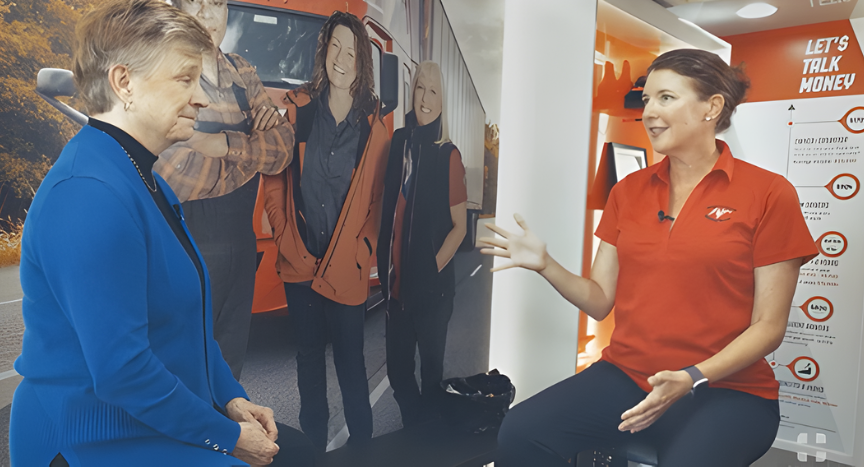
The Women In Trucking Association (WIT) has partnered with the National Safety Council (NSC) to highlight these critical issues in the Safety Is Personal series. NSC President and CEO Lorraine Martin and WIT President and CEO Jennifer Hedrick, CAE, discussed the importance of safety in the trucking industry and how it impacts drivers daily.
View the conversation between Hedrick and Martin.
Making Safety Personal
The Safety Is Personal series emphasizes real stories and lessons that shape how trucking leaders prioritize safety. For Hedrick, safety is not abstract. She focuses on ensuring that drivers, especially those in underserved segments, return home each day safely.
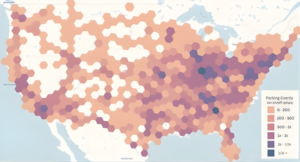
In her interview with Martin, Hedrick discussed major safety challenges that extend beyond vehicle operation. These include awareness of surroundings, the lack of safe and accessible truck parking, and how harassment and discrimination can influence safety outcomes for drivers.
Hands-On Training With a Purpose
As part of the collaboration, Hedrick coached Martin on driving a commercial truck using the WITney Educational Trailer simulator. The interactive experience demonstrates how training and awareness can prevent accidents and support drivers on the road.
Why These Discussions Matter
Truck driving is a demanding profession. Long hours, tight schedules, and extended time away from home create stress that affects both safety and performance. Research shows that female truck drivers experience harassment and discrimination more frequently than their male counterparts, which can directly impact safety and retention.
Hedrick and Martin stress situational awareness as a critical skill. Drivers must stay alert to hazards, vehicle behavior, and environmental conditions. Addressing challenges like commercial truck parking shortages ensures drivers make safer decisions while complying with hours-of-service rules.
Advancing Industry Safety
WIT and NSC’s collaboration promotes a culture of care that goes beyond compliance. Their combined efforts highlight respect, preparedness, and proactive risk management. The conversation encourages all stakeholders in the trucking industry to prioritize safety as a central value that protects drivers, supports their careers, and ensures the safe delivery of goods across the country.
Through initiatives like Safety Is Personal, WIT continues to advocate for inclusion, driver safety, and the professional advancement of women in trucking.
Source: Women In Trucking