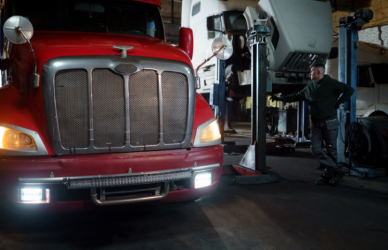



A proposed federal rule could soon make it easier for aspiring truck drivers and diesel technicians to pay for training. The U.S. Department of Education recently introduced a plan that would allow Pell Grant funding to be used for shorter job training programs that prepare workers for high-demand trades such as trucking and diesel repair.
If implemented, the change would create what the department calls Workforce Pell Grants. These grants would apply to programs lasting between eight and fourteen weeks, opening the door for financial aid in training programs that currently fall outside the traditional Pell Grant structure.
For many drivers entering the industry, the cost of training can be one of the biggest barriers to getting started. CDL schools often run between six and eight weeks, which means they have historically been too short to qualify for federal Pell Grant funding.
The new proposal would change that by making high-quality short-term training eligible for assistance.
“By expanding Pell Grant flexibility to make short-term educational programs eligible, this rulemaking will open the door of opportunity to more young people seeking rewarding, good-paying careers in trucking,” said American Trucking Associations Chief Advocacy & Public Affairs Officer Henry Hanscom.
Industry groups have pushed for this change for years, arguing that shorter programs can still deliver the skills needed for strong careers behind the wheel or in the shop.
What the Workforce Pell Grant Would Cover
Under the proposed rule, eligible programs would need to run between eight and fourteen weeks and include between 150 and 599 total instructional hours. The goal is to support focused training programs that quickly prepare workers for jobs in industries where demand for skilled employees remains high.
That structure lines up with many existing CDL programs. While some schools run longer courses, many Class A programs fall within the six-to-eight-week range, which means they could soon become eligible for federal aid if the rule takes effect.
Diesel technician programs are often longer than a year, but certain specialized certifications can be completed in a shorter timeframe. Some manufacturer-specific programs offered through Universal Technical Institute, including training supported by Cummins, Peterbilt, and Daimler Truck North America, run about twelve weeks.
These types of programs could potentially qualify for Workforce Pell support if they meet the required standards.
Accountability Standards for Training Programs
The Department of Education is pairing the new funding opportunity with strict performance requirements for training providers.
To remain eligible for Workforce Pell funding, programs must demonstrate strong results for students. That includes a completion rate of at least 70 percent as well as a job placement rate of at least 70 percent within 180 days after graduation.
Schools must also pass what regulators describe as a value-added earnings test. This measure compares the median earnings of program graduates with a threshold based on 150 percent of the federal poverty level. Program tuition and fees cannot exceed the additional earnings students are expected to gain after completing the training.
State governments would also play a role in approving programs. Each eligible course would need authorization from a state governor after consultation with the state workforce board.
Part of a Broader Focus on Training Quality
The Workforce Pell proposal arrives as federal agencies continue tightening oversight of CDL training programs.
In recent months, the Department of Transportation removed thousands of CDL training providers from its official registry while placing thousands more on notice for potential removal as part of a broader effort targeting so-called CDL mills.
The goal of both efforts is to improve the quality and reliability of driver training while making legitimate programs more accessible to new entrants.
If finalized, the Workforce Pell Grant program is expected to take effect in July 2026. Supporters say the change could help more students afford the training needed to begin careers in trucking and diesel technology while maintaining strong accountability standards for schools.
For an industry that continues to depend on skilled drivers and technicians, expanded access to training could play a role in strengthening the workforce pipeline in the years ahead.