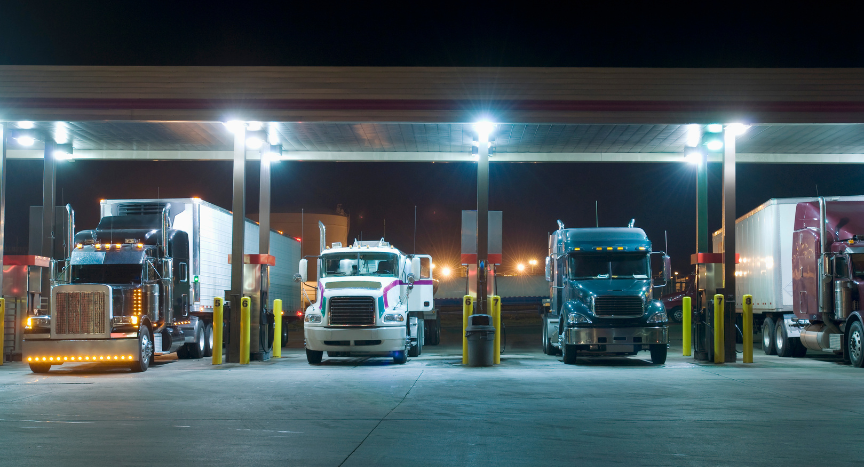

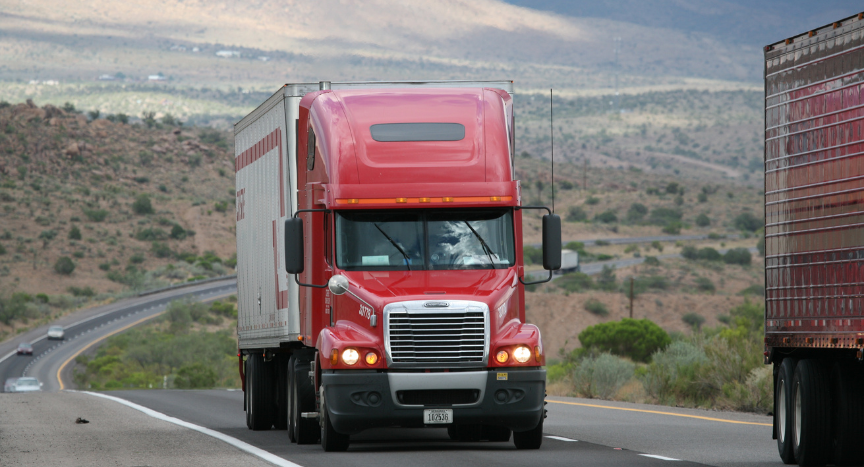
Delivery and courier driver jobs are no longer limited to small vans, parcel routes, or non-CDL work. In many freight markets, regional distribution has created a larger role for CDL A drivers moving retail freight, grocery loads, warehouse transfers, and dedicated customer freight on tighter schedules.
This work is different from traditional long-haul trucking because the day is built around movement inside a smaller operating area. A driver may start at a distribution center, make several scheduled deliveries, return through familiar freight lanes, and work with the same receivers week after week. The mileage may be lower than over the road work, but the route can demand stronger timing, more backing, more customer interaction, and more physical effort.
Why Regional Delivery Work Feels Different
A Class A delivery route usually brings more activity into the workday. Instead of spending most of the shift on open highway, drivers often manage store docks, warehouse appointments, city traffic, receiver check-ins, and unloading expectations.
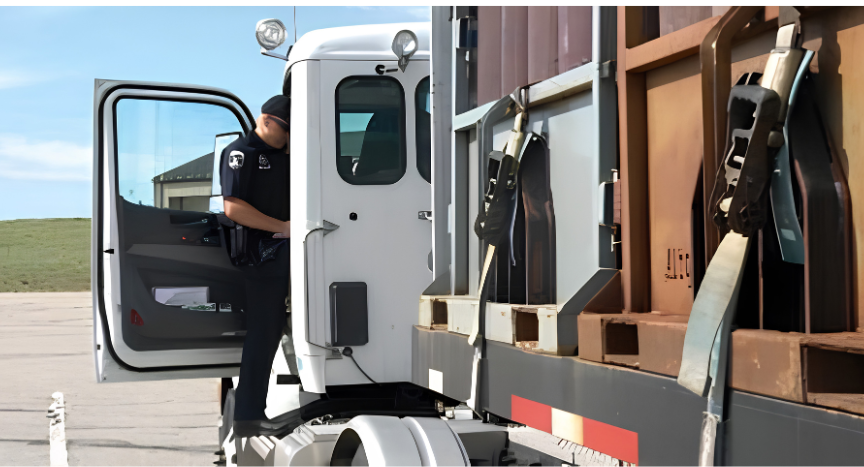
Some routes involve pallet jack work, liftgate deliveries, or touch freight. Others may stay closer to drop and hook operations, but still require tighter appointment management than many long-haul routes. That difference matters because a shorter route is not automatically an easier route.
The best fit is usually someone who wants a more familiar operating area and does not mind a faster-paced day with more stops. Drivers who prefer long, uninterrupted highway miles may still be better suited for over-the-road freight.
Where These Jobs Are Growing
Regional delivery freight has grown as retailers and suppliers move inventory more frequently between warehouses, stores, and distribution hubs. Grocery networks, retail replenishment, automotive parts freight, appliance delivery, furniture freight, and dedicated warehouse transfers all rely on reliable Class A capacity in many markets.
That growth has also changed how pay is structured. Some jobs still use mileage pay, while others combine mileage with stop pay, hourly pay, unloading pay, detention policies, or route incentives. A route with fewer miles can still make sense if the pay reflects the time spent loading, unloading, waiting, and completing multiple deliveries.
Drivers comparing these jobs should look beyond the headline pay. Stop count, unloading rules, start times, customer locations, traffic exposure, home time, and route consistency all affect whether the job is sustainable.
Why Some Drivers Make the Switch
Many experienced drivers look at regional delivery freight when they want more routine without leaving Class A work. Familiar customers, repeated delivery lanes, and consistent dispatch patterns can make the week easier to plan than irregular long-haul freight.
That does not mean the work is easier. Higher stop counts, tighter delivery windows, and physical freight handling can make the job demanding. The tradeoff is that many routes offer a clearer weekly rhythm, especially for drivers who value routine and predictable operating areas.
For truck drivers considering delivery and courier work, the key is understanding what type of freight the job actually involves. A Class A route tied to retail or warehouse distribution is very different from a small package courier job, and the expectations should be evaluated through that lens.
What To Ask Before Taking the Job
Before accepting a regional delivery position, drivers should ask how many stops are typical, whether freight is driver-unload, how delays are paid, whether routes are consistent, what equipment is used, and how often schedules change. Those answers usually reveal more than the job title alone.
A strong delivery freight job should match the pay structure to the actual workload. If the route includes unloading, tight docks, city traffic, and multiple stops, compensation should reflect that added time and effort.
Regional delivery freight is becoming a larger part of the trucking job market, but it is not the right fit for everyone. For CDL A drivers who want familiar routes, steady freight patterns, and a more active workday, it can be a practical alternative to traditional long-haul trucking.
The Truck Drivers USA editorial team creates practical, driver-focused content covering industry topics, job trends, and real-world decisions that impact drivers at every stage of their careers. Each article is written to provide clear, accurate information that drivers can use.
Last updated: May 25, 2026