
Cargo thieves are becoming more organized, more patient, and more selective. They’re no longer relying solely on cutting trailer seals in the middle of the night. In many cases, they’re gathering information about a shipment long before a truck leaves the loading dock or using fraudulent carrier identities to steal freight before it ever reaches its destination.
According to Verisk CargoNet, cargo theft losses across the United States and Canada were estimated at $725 million in 2025, driven by organized theft rings targeting high-value commodities and increasingly sophisticated fraud schemes. While carriers and brokers continue investing in technology to combat cargo crime, truck drivers remain one of the strongest defenses against theft.
Cargo Theft Has Changed
For years, cargo theft was largely viewed as a crime of opportunity. A truck parked in an isolated lot overnight or a trailer left unattended for too long presented an easy target. That picture has changed.
Today’s cargo thieves often know exactly what they’re looking for. They monitor freight movements, create fraudulent shipping documents, impersonate legitimate carriers, and use stolen business identities to divert shipments. In many cases, the trailer itself is never broken into because criminals have already taken possession of the load before anyone realizes something is wrong.
For drivers, understanding how these operations work is just as important as knowing where to park for the night.
Certain Freight Continues to Attract Criminal Attention
Not every load carries the same level of risk. CargoNet data consistently shows that consumer electronics, pharmaceuticals, food and beverage products, alcoholic beverages, copper, and building materials remain among the most frequently targeted commodities. These products can often be resold quickly, making them attractive to organized theft groups.
Seasonal demand can also influence theft patterns. Retail merchandise becomes more desirable ahead of major shopping holidays, while construction materials and metals often see increased theft when market prices rise.
Drivers hauling high-value freight should expect additional security procedures from both shippers and carriers. Those requirements may seem inconvenient, but they’re designed to reduce opportunities for theft before a shipment reaches the customer.
The First Stop Can Be the Most Vulnerable
Experienced drivers have long understood that the first stop after leaving a shipper deserves extra attention.
Cargo security specialists recommend limiting unnecessary stops during the first 150 to 200 miles whenever practical. Criminals have been known to observe shipping facilities and follow selected loads, waiting until a driver stops for fuel, food, or a break before making a move.
That doesn’t mean skipping required rest breaks or pushing beyond your available hours. It means thinking ahead. Fuel before picking up a high-value load whenever possible, know where you’ll stop if you need a break, and avoid making unplanned stops simply because they’re convenient. Planning is one of the simplest ways to reduce risk.
Parking Decisions Matter
Finding truck parking has never been easy, but where you park can influence more than your night’s sleep.
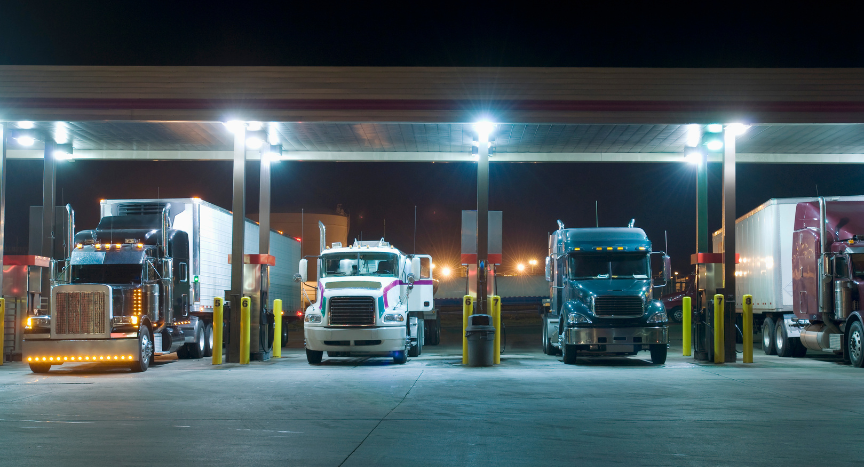
Well-lit locations with regular commercial traffic generally provide more visibility than isolated industrial areas or vacant lots. Parking where other professional drivers are present can also discourage opportunistic thieves looking for an easy target.
If your company has designated secure parking locations for certain loads, follow those recommendations whenever possible. Those locations are often selected because of previous incidents, available surveillance, or relationships with the property owner.
Small Details Can Protect a Load
Cargo theft investigations often reveal that criminals gathered information from multiple sources before a shipment disappeared.
Drivers should avoid discussing load details where they can easily be overheard and think twice before sharing shipment information online. Even something as simple as posting a photo at a shipping facility may reveal trailer numbers, customer names, or locations that criminals can piece together with other information.
Before leaving a shipper, it’s also worth taking a moment to verify seal numbers, confirm paperwork matches the assigned load, and make sure trailer doors are properly secured. Those checks take very little time but can prevent much larger problems later in the trip.
Technology Is Improving Security, But It Has Limits
GPS tracking, electronic trailer locks, geofencing, and real-time shipment monitoring have made cargo theft more difficult than it was a decade ago. Technology, however, doesn’t replace experience.
Drivers are often the first to notice something unusual, whether it’s a vehicle lingering nearby for several stops, unfamiliar people asking questions about a shipment, or signs that a trailer has been disturbed while parked. Good judgment still plays an important role in protecting freight.
Staying Alert Protects More Than the Load
Cargo theft creates financial losses for shippers, carriers, insurers, and customers, but it also affects drivers. Stolen freight can lead to delayed deliveries, lengthy investigations, damaged customer relationships, and operational disruptions that extend well beyond a single shipment.
Most thefts aren’t the result of one mistake. They’re usually the outcome of criminals finding an opportunity somewhere along the route.
Professional drivers can’t control every risk they encounter, but they can control how they prepare, where they stop, and how aware they remain throughout the trip. Those decisions continue to be some of the industry’s strongest defenses against cargo theft.