

Most freight damage claims begin with a simple question that doesn’t have a simple answer: When did the damage occur?
Finding crushed cartons or a shifted pallet at delivery does not automatically mean the damage happened on the road. Investigators work backward through the shipment, reviewing loading practices, delivery records, cargo securement, and the condition of the freight at each handoff before deciding how the claim should proceed.
A Damaged Shipment Doesn’t Automatically Mean a Rejected Shipment
Receivers have several options once damage is discovered.
If the damage is limited to a few cartons or pallets, the receiver may accept the shipment and note the exceptions on the delivery receipt. Some customers refuse only the affected freight while accepting the balance of the load. Complete rejection is generally reserved for situations where the damage affects the entire shipment or makes the product unusable.
The decision depends as much on the commodity as the damage itself. A dented machine enclosure may still be serviceable, while damaged pharmaceuticals or temperature-sensitive food products may no longer meet quality standards.
The Investigation Starts with the Paper Trail
Claims personnel rarely rely on photographs alone.
Bills of lading, proof-of-delivery documents, seal records, loading instructions, trailer inspection reports, and dispatch records all help establish what happened before the shipment reached the receiver. Federal regulations also establish procedures motor carriers use when investigating and resolving cargo loss and damage claims, while carrier liability for interstate freight is generally governed by the Carmack Amendment.
The goal is to determine whether the available records support a claim and whether the evidence points to a specific point in the shipment.
Not Every Claim Points to the Driver
Drivers are often the most visible part of the transportation process, but cargo damage can originate long before a truck leaves the shipping dock.
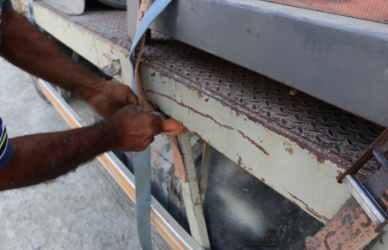
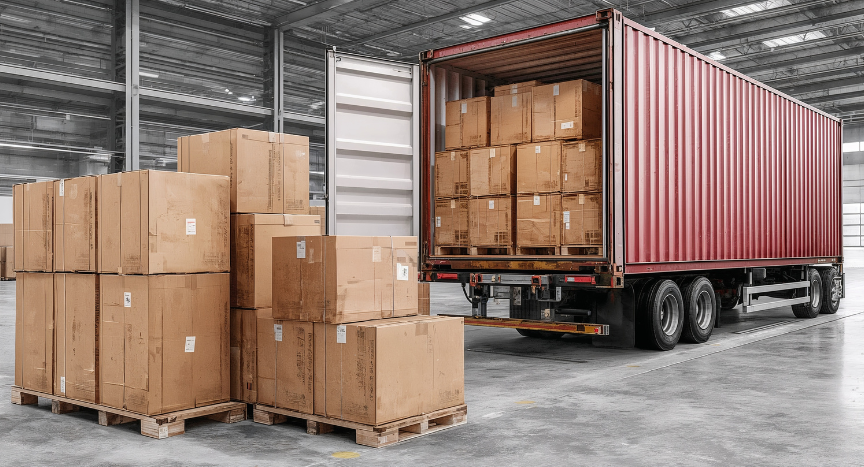
Poor pallet construction, inadequate stretch wrap, improper weight distribution, forklift impacts during loading, and packaging failures all appear in freight claims. By the same token, cargo that was not properly secured or was subjected to unusual movement during transit may also become part of the investigation.
Each claim is evaluated on its own facts rather than on a presumption that one party is automatically responsible.
The Driver’s Records Often Become Key Evidence
Drivers cannot control how every shipment is packaged or loaded, but they can document what they observe.
Photographs taken before departure, notes about leaning pallets, damaged packaging, broken load bars, or unusual securement methods provide context that may not appear anywhere else in the shipment file. If dispatch is notified before departure, that communication also becomes part of the carrier’s record.
Those details can prove valuable weeks later when claims personnel compare pickup records with the condition of the freight at delivery.
Some Claims End Long After the Trailer Leaves the Dock
The freight may be unloaded in less than an hour, but the claim can remain open for weeks or months.
Motor carriers review supporting documentation, determine whether additional inspection is needed, and either accept, compromise, or deny the claim in accordance with federal claims procedures. Freight brokers may help coordinate communication, but claims are generally filed against the responsible motor carrier because brokers do not take possession of the shipment.
For drivers, the shipment may be complete once the paperwork is signed. For everyone handling the claim, the investigation is often just beginning.
Frequently Asked Questions
What should a truck driver do if freight is damaged during delivery?
Drivers should follow their carrier’s procedures, notify dispatch or the appropriate company contact, and avoid making decisions about accepting or rejecting the shipment. Delivery paperwork should accurately reflect the condition of the freight, and any requested photographs or documentation should be completed before leaving the delivery location.
Can freight damage be discovered after a shipment is delivered?
Yes. Some shipments are accepted at delivery and later found to have concealed damage after cartons are opened or products are unpacked. Those claims are typically handled differently than visible damage because additional evidence may be needed to determine when the damage occurred.
Does every damaged shipment become an insurance claim?
No. Some situations are resolved between the shipper, receiver, and carrier without involving cargo insurance. The outcome depends on the value of the shipment, the extent of the damage, the shipping agreement, and how the parties choose to resolve the issue.
What information is most important during a freight damage investigation?
Investigators typically compare records from multiple stages of the shipment, including shipping documents, delivery paperwork, photographs, inspection reports, and other documentation that helps establish the condition of the freight before, during, and after transportation.
Can only part of a shipment be rejected?
Yes. If only a portion of the freight is damaged, a receiver may refuse the affected products while accepting the remainder of the shipment. The final decision depends on the customer’s receiving procedures and the condition of the cargo.
The TDUSA editorial team creates practical, driver-focused content covering trucking news, industry updates, safety, regulations, and career information for professional truck drivers across the United States. Each article is built to reflect real-world experience, industry developments, and information drivers can use on and off the road.
Last Updated: July 10, 2026