
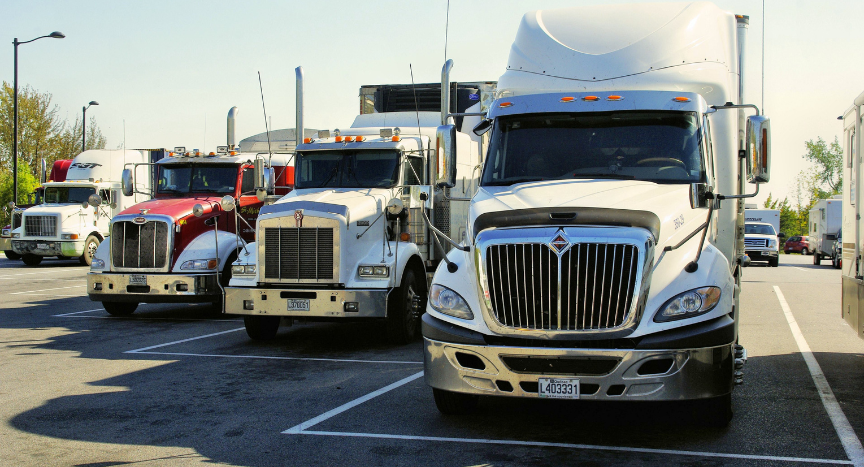
For fans, opening day begins when the gates swing open, and the teams take the field. Behind the scenes, however, the busiest work has already happened. During the days leading up to kickoff, trucks deliver food, beverages, team equipment, television production units, and the supplies needed to prepare a stadium for one of its largest events of the year. By the time parking lots begin filling, most of those deliveries have already been unloaded, sorted and distributed throughout the building.
Every Game Starts Long Before Kickoff
Although an NFL game lasts only a few hours, preparing a stadium takes much longer. The league’s game-preparation schedule begins a week before kickoff while stadium staff, food service operators, broadcasters and visiting teams work through overlapping schedules to complete deliveries and setup before security procedures tighten. Unlike a warehouse that can receive freight throughout the day, a stadium has a limited window to accept deliveries before loading docks begin supporting buses, emergency services and other game-day operations.
From the Dock to the Concession Stand
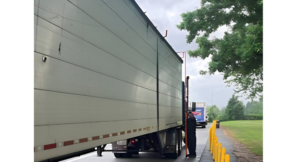
Receiving docks become one of the busiest areas of the stadium well before the first fan arrives. Trailers carrying food, beverages and other supplies are unloaded into refrigerated storage, freezers, dry storage areas and central kitchens before inventory is distributed to concession stands, suites, clubs and hospitality spaces throughout the venue.
That same process handles everything from bottled drinks and packaged snacks to paper products, cleaning supplies and food-service items. By the time concession workers begin serving customers, the inventory has already completed most of its journey through the stadium.
Broadcast Trucks Arrive Days Before the Broadcast
Broadcast trailers often reach the stadium before game day, parking in designated production compounds where they are converted into temporary television control rooms. Producers, engineers and technicians spend hours connecting cameras, replay systems, commentary positions and communications equipment before carrying out repeated technical checks ahead of kickoff.
What appears to be a row of ordinary tractor-trailers from the parking lot becomes the center of the live television broadcast, with every replay, camera feed and commercial break routed through equipment inside those mobile production units.
Team Equipment Reaches the Stadium First
Equipment trucks typically arrive before the visiting roster, allowing equipment managers to unload uniforms, helmets, footballs, medical supplies, communications equipment and backup gear before players enter the locker room. Arriving ahead of the team gives staff time to organize equipment, prepare lockers and address any last-minute issues without working against the clock.
The NFL’s preparation schedule allows visiting clubs to coordinate locker-room requirements and other logistical needs several days before kickoff, helping ensure everything is ready when the team reaches the stadium.
Opening Day Starts with New Inventory
The first regular-season home game often introduces new menu items, updated merchandise and hospitality offerings that were added during the offseason. Every new product follows the same route into the stadium, arriving by truck before moving through receiving areas, storage rooms and distribution points on its way to concession stands, retail locations and premium spaces.
For many stadiums, opening day also serves as the first opportunity to test new products and operational changes under regular-season crowds, making the days leading up to kickoff one of the busiest receiving periods of the year.
By Kickoff, the Freight Has Already Done Its Job
Once gates open, the focus shifts from deliveries to the game itself. Loading docks that handled freight throughout the week now support television crews, team operations and other essential services while fans settle into their seats unaware of how much preparation has already taken place.
The game may last only a few hours, but it depends on days of carefully timed deliveries that stocked concession stands, supplied locker rooms, positioned broadcast equipment and prepared the stadium long before the opening kickoff.
Frequently Asked Questions
When do broadcast trucks arrive for an NFL game?
Broadcast production trailers generally arrive before game day, so crews have time to install equipment, connect cameras and complete technical testing before kickoff.
Does the visiting team transport its own equipment?
Yes. Equipment trucks carry uniforms, helmets, footballs, medical supplies, communications equipment and other gear needed before players arrive at the stadium.
Are stadium deliveries completed before fans arrive?
Most deliveries are scheduled before the stadium transitions into full game-day operations, allowing inventory to be received, stored and distributed before gates open.
Why are loading docks important at NFL stadiums?
Loading docks serve as the primary receiving point for food, beverages, team equipment, television production units, and many of the supplies needed to prepare the stadium for game day.