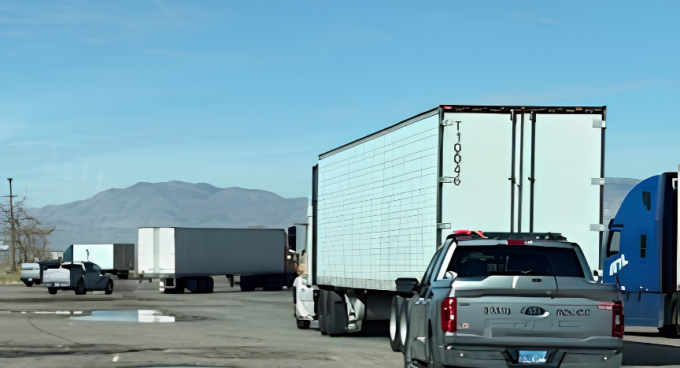


Years of professional driving experience can earn a trucker a place in a state truck driving championship, but performing well takes more than a clean driving record and confidence behind the wheel. Competitors are judged on their knowledge of trucking regulations, their ability to spot vehicle defects, and how precisely they handle a truck through a series of obstacles.
The American Trucking Associations (ATA) National Truck Driving Championships bring together state champions from across the country. For drivers interested in testing their abilities at that level, preparation begins well before the first competition.
Getting Into a Truck Driving Championship
State trucking associations are the starting point for most competitors. They organize annual championships, establish registration procedures, and determine how participants qualify for their events. Some states also hold regional competitions before the statewide championship.
Before signing up, drivers should review the eligibility requirements for their chosen event. Those seeking to compete at the national level must meet ATA qualifications, including applicable accident-free driving requirements. State organizers can also explain which vehicle classes are available and whether registration must be handled through an employer.
Selecting a competition class deserves some consideration, particularly for drivers who regularly operate more than one type of equipment. The class determines which vehicle they’ll compete in, and familiarity with its dimensions and handling characteristics can make a difference when practicing.
Once registered, the next step is obtaining the official study materials and understanding how each portion of the event is scored.
Studying for the Written Examination
The written test is one area where experienced drivers can be caught off guard. Familiarity with daily operations doesn’t necessarily mean every regulation or technical detail will be easy to recall during an examination.
ATA’s Facts for Drivers handbook is a primary preparation resource. It covers trucking safety, federal regulations, and industry information that competitors are expected to understand. State associations may also provide study guides or identify additional material included in their tests. The handbook and competition rulebook are listed on the official NTDC website.
Practice examinations are useful for identifying knowledge gaps before competition day. Drivers who spend most of their careers operating the same equipment may need to revisit subjects they haven’t studied since obtaining their CDL.
The written examination is only one part of the overall score, however. Competitors must also demonstrate how well they recognize mechanical problems when presented with a vehicle that has been prepared specifically for the contest.
Training for the Pre-Trip Inspection
During the inspection portion, competitors examine a vehicle containing deliberately introduced defects. Their task is to locate and identify those problems within the time allowed.
The assessment calls for a different approach than a normal pre-trip inspection. Competitors must recognize problems quickly and describe their findings accurately enough for judges to award credit.
Practicing a consistent inspection sequence can help prevent overlooked components. It also helps to work with someone familiar with commercial vehicle maintenance who can point out legitimate defects and evaluate how clearly they’re identified.
Another useful exercise is reviewing the official inspection criteria for the event. Knowing what judges expect when a defect is reported can prevent a correct observation from being lost through an incomplete explanation.
After the inspection, the competition moves to the portion most closely associated with a truck driving championship: the obstacle course.
Practicing for the Driving Skills Course
A competition course measures control in situations where a few inches can separate a high score from a missed mark. Drivers may be required to stop at precise points, maneuver through narrow spaces, or complete backing exercises without touching boundaries.
The difference from everyday driving is the degree of accuracy being measured. A maneuver that would be entirely acceptable during a normal delivery may receive fewer points if the vehicle isn’t positioned where the judges require it.
Preparation is most effective when drivers can practice in a designated area with permission to use the equipment. Some carriers and state associations organize sessions with competition-style obstacles, giving participants an opportunity to work on distance judgment, turning points, and vehicle positioning.
Experienced competitors can be valuable resources during these sessions. Watching how they approach an obstacle and asking about their reference points may reveal techniques that aren’t obvious from a written course description.
Since the exact course arrangement can change, practice should cover a variety of maneuvers. Competitors who can adjust their approach to unfamiliar obstacles are better prepared than those who have memorized a single layout.
Preparing for Competition Day
After weeks of studying and practicing, the final preparation is largely administrative. Competitors should confirm their check-in time, required credentials, equipment arrangements, and any orientation sessions scheduled by the organizer.
The event rules also deserve a final review. Requirements involving vehicle entry, seat belt use, and conduct during the driving assessment can affect scoring, even when the actual maneuver is completed correctly.
First-time participants may find it helpful to speak with someone who has competed before, particularly about how the event is organized and what happens between testing stations. Understanding the schedule and procedures leaves more attention available for the competition itself.
State championships also offer a chance to learn from other professionals. A driver who doesn’t advance during a first attempt can leave with a clearer understanding of the scoring system and the specific skills worth improving before returning.
Frequently Asked Questions
Can owner-operators compete in state truck driving championships?
Participation depends on the state association’s rules. Owner-operators should contact the organizer to confirm eligibility, registration procedures, and whether competition equipment will be available.
Are competitors allowed to inspect the driving course beforehand?
Course access and inspection procedures vary by event. Organizers may provide a briefing or other opportunities to review the course, but competitors must follow the specific restrictions established for their championship.
Can drivers compete in more than one vehicle class?
Championship rules generally restrict participants to one class per event. Drivers should confirm the applicable requirements before registering.
Do state truck driving championships charge an entry fee?
Fees vary by state and may be paid by the participating company. Registration materials from the state trucking association should identify the cost and payment requirements.
The TDUSA editorial team creates practical, driver-focused content covering trucking news, industry updates, safety, regulations, and career information for professional truck drivers across the United States. Each article is built to reflect real-world experience, industry developments, and information drivers can use on and off the road.
Last Updated: November 17, 2026