

If you’re running one of the newer Volvo VNL models, take a minute to double-check your VIN.
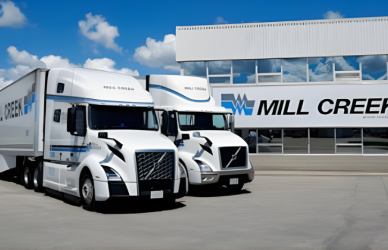
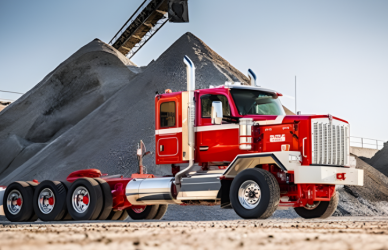
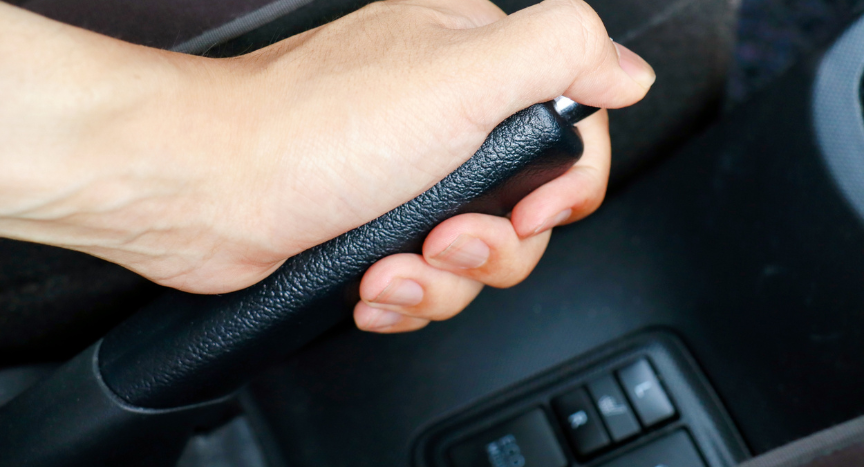
Federal regulators are reporting a recall that affects about 800 Volvo VNL trucks built between 2024 and 2027. The issue centers on the parking brake system and how it performs under certain operating conditions.
The National Highway Traffic Safety Administration states:
“Volvo Trucks North America (Volvo Trucks) is recalling certain 2024-2027 VNL (4) vehicles that do not include auxiliary parking brakes. If the vehicle is in weight bias mode, there may not be enough weight on the parking brake axle, which could result in inadequate parking brake force.”
In plain language, when the truck is set in weight bias mode, there may not be enough force applied at the parking brake axle. That can increase the risk of the truck not holding as firmly as intended once parked.
Models Included in the Recall
The recall covers certain Volvo VNL (4) units from model years 2024 through 2027.
If you operate one of those model years, whether company or owner operator, it’s worth verifying your truck’s status rather than assuming you’re clear.
Beginning February 17, affected Vehicle Identification Numbers will be searchable through the NHTSA here.
What the Fix Looks Like
Volvo dealers will replace the brake chambers at no charge. Owner notification letters are expected to be mailed on April 10.
Volvo has assigned recall number RVXX2601 to this issue. Drivers or fleet managers with questions can contact Volvo Trucks customer service at 800 528 6586.
Why This Matters on the Road
Parking brake performance is not something drivers think about until there’s a problem. Whether you’re on a slight incline at a shipper, parked during a 10-hour break, or staging equipment in a yard, you rely on that system to hold steady.
Even if you haven’t noticed any issues, recalls are issued to prevent problems before they happen. A quick VIN check now can save downtime later.
If you’re behind the wheel of a 2024 to 2027 Volvo VNL, confirm your status, schedule the repair if needed, and keep moving safely.
Source: The Trucker