


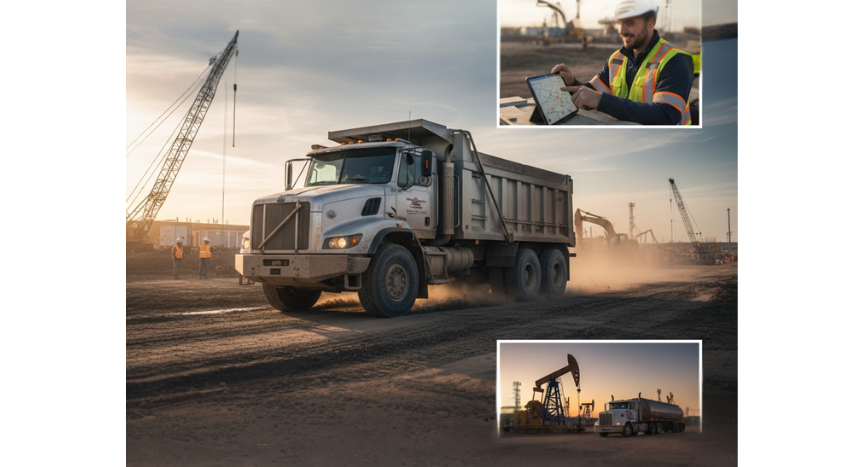
The construction and oil industries rely heavily on commercial drivers with CDL licenses. Across various U.S. regions, these industries have a strong and steady demand for CDL drivers to handle the hauling of materials, fuels, and specialized equipment. Understanding where these jobs are available and what roles are involved can help CDL holders find stable employment with competitive pay and a solid work-life balance.
Where the Demand is Growing
In Texas, cities such as Houston, Midland, and Odessa are considered major hubs for oil-related CDL driver jobs. The oil fields require tanker and vacuum truck drivers to support fracking, drilling, and refining. At the same time, urban areas across Texas see ongoing construction activity, creating openings for dump truck and concrete mixer drivers.
Louisiana and Oklahoma feature growing job opportunities in places like Baton Rouge and Tulsa. These regions support oil refining industries and infrastructure work that depend on fuel hauling, chemical transport, and heavy equipment movement.
In Pennsylvania and Ohio, infrastructure revitalization and natural gas extraction create steady demand for CDL drivers. Pittsburgh and Columbus are focal points for construction material delivery and oil field logistics roles.
Georgia and Florida experience rapid urban growth in Atlanta and Miami, generating strong demand primarily for construction trucking jobs. Fuel transport jobs do exist in support of regional energy networks in these states.
California has substantial urban construction markets and complex fuel supply chains. The Los Angeles and San Francisco areas seek experienced drivers for heavy haul and tanker truck roles supporting these industries.
Understanding the Roles Available
Dump truck drivers are essential for local and regional transport of raw materials such as gravel and sand to construction sites. The local routes promote frequent returns home for drivers.
Concrete mixer drivers deliver ready-mix concrete where timing and handling precision are critical to project success.
Heavy equipment haulers transport large machinery like cranes and bulldozers, demanding skill and safety expertise.
Tanker truck drivers mostly operate in oil-producing regions, carrying water, fuels, and chemicals key to oil extraction processes. These roles often require additional endorsements.
Vacuum truck operators specialize in hauling drilling waste and sludge from oil sites. This job involves high responsibility and typically commands higher pay.
Salary Expectations and Work-Life Balance
Oil field tanker and vacuum truck drivers can earn well over average wages, with many reporting upwards of fifty-five thousand dollars annually and some reaching near the ninety thousand range. Construction trucking typically generates annual pay between fifty thousand and seventy-five thousand dollars, with overtime options when seasons peak.
Most roles favor local or regional routes, allowing truck drivers to spend more time at home, a distinct advantage over long-haul routes.
Frequently Asked Questions
What endorsements are needed for these jobs?
Many oil field jobs require tanker and hazardous materials endorsements, while construction jobs focus more on truck handling skills without extra endorsements.
Is experience required?
While entry-level construction CDL jobs are available, oil industry roles usually prefer candidates with experience and specific endorsements related to fuel or hazardous material transport.
Where are the best places to find these jobs?
States like Texas, Louisiana, Pennsylvania, Georgia, Florida, and California consistently show high demand. Targeting metropolitan areas within these states can increase the chances of employment.
Ready to Find Your Next CDL Job?
If the construction or oil industries align with your career goals, focusing job searches on the regions highlighted above can improve chances of landing stable, well-paying CDL driving work with growth opportunities. Obtaining relevant endorsements and keeping skills up to date are essential steps to advancing in these fields.