

New Campaign Warns Truckers About Low Bridge Strikes Across Pennsylvania
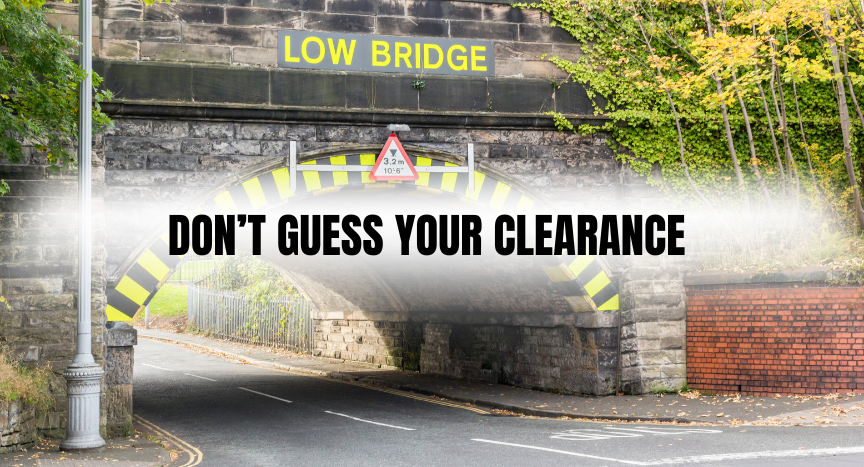
Hitting a low bridge isn’t just a frustrating mistake — it can cost you your equipment, your time, and sometimes your job. That’s why the Pennsylvania Department of Transportation (PennDOT) has launched a new campaign aimed squarely at helping drivers avoid it in the first place.
It’s called “Check Your Height, Know It’s Right,” and it’s PennDOT’s latest push to raise awareness about the risks of bridge strikes, especially for truckers and anyone hauling taller loads.
Real Stats, Real Damage
Between 2013 and 2023, there were more than 600 reported bridge strikes in Pennsylvania alone, according to PennDOT. That’s not just a few busted signs — it means mangled trailers, damaged infrastructure, traffic backups, and sometimes serious injury.
“When a vehicle hits a bridge, the impact can shut down a road, damage expensive freight, and even put emergency crews at risk,” the agency warns.
Who They’re Talking To
This campaign isn’t just for big rigs. It targets:
- CDL holders
- Non-CDL drivers in leased or rented trucks
- Delivery truck drivers
- RV drivers
- Movers using box trucks
Anyone behind the wheel of a tall vehicle.
One of the campaign’s key messages? Just because it’s not your truck doesn’t mean you’re off the hook. It’s your job to know how tall that vehicle is — and whether it’ll clear the bridge ahead.
Know Your Numbers
Let’s break it down. In Pennsylvania:
- If your vehicle or load is over 13’6″, you need a Special Hauling Permit.
- Bridges under 14’6″ are required to have low-clearance signage both at the structure and before it.
But here’s the kicker — GPS apps often don’t consider height. So if you’re trusting Google Maps to keep your truck out of trouble, you could be setting yourself up for a wreck.
“Drivers should always watch for and adhere to signage indicating bridge heights and not rely solely on navigation devices,” PennDOT reminds.
And if you’re hauling equipment with raised beds, those count too. The campaign emphasizes double-checking liftgate positions, equipment arms, and anything that might extend your height — even temporarily.
Long-Term Fixes Underway
PennDOT isn’t just pointing fingers at drivers. The department says it’s also working to help on its end by raising bridges where possible.
“In the past decade, more than 160 bridges with clearances under 16 feet, 5 inches were raised by at least 3 inches during reconstruction,” the agency noted.
That helps, but it doesn’t change this bottom-line fact: it’s your responsibility to know your height and plan your route accordingly.
One Simple Check Can Save Your Job
For drivers who’ve seen what a bridge strike can do — the bent trailers, sheared-off roofs, and long insurance headaches — this message hits home. Just a quick check of your truck height before rolling out can save a world of hurt.
So the next time you hop into a new cab, get behind the wheel of a rental, or load up a tall piece of equipment, take a second and ask yourself: Will it clear?
Because “I didn’t know” won’t fly when you’re stuck under a bridge.
Source: Transport Topics