
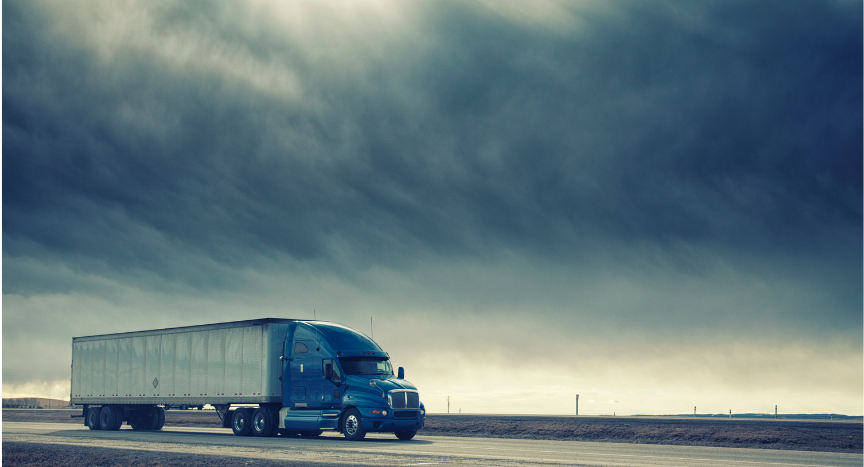
Most truck drivers will encounter severe weather sooner or later. Thunderstorms can reduce visibility within minutes, high winds can make an empty trailer feel unstable, and winter storms often create completely different driving conditions from one county to the next. While every storm presents its own challenges, experienced drivers know the safest trips usually begin with making adjustments early instead of waiting until conditions force them to react.
Stay Ahead of the Storm, Not Inside It
Checking the forecast before leaving is only part of the job because storms rarely stay on schedule. Weather radar, state 511 systems and DOT traffic cameras provide updates throughout the day, making them valuable tools during fuel stops and meal breaks. Spending a few minutes reviewing current conditions can help you avoid road closures, flash flooding, wildfire smoke, chain restrictions or wind advisories that weren’t part of the morning forecast.
Read Traffic Before You Read the Road
Passenger vehicles often reveal changing road conditions before they’re obvious from the driver’s seat. Cars increasing their following distance, brake lights appearing farther ahead than normal, or drivers making repeated steering corrections usually indicate that traction or visibility is beginning to deteriorate. Recognizing those changes early gives you time to ease off the throttle gradually instead of reacting after traffic has already slowed.
Leave Yourself an Exit Instead of Following the Crowd
Heavy traffic during severe weather has a way of compressing quickly, especially around construction zones, major interchanges, and areas where visibility is limited. Protecting the space in front of your truck is important, but so is avoiding situations where you’re boxed in on both sides with nowhere to go if another driver loses control. Maintaining room around the truck whenever traffic allows gives you more options if conditions change unexpectedly.
Expect the Highway to Change from Mile to Mile
The pavement beneath your tires may not behave the same way for the entire trip. Open stretches of interstate can expose trailers to stronger crosswinds than nearby wooded areas, bridges often become slick before the surrounding highway, and low-lying sections are more likely to collect standing water during heavy rainfall. Treating every section of road as if it will handle exactly like the last one is a mistake that experienced drivers learn to avoid.
Let the Load Influence Your Decisions
The way a truck responds during severe weather depends partly on what’s in the trailer. Empty trailers and lighter loads are generally more susceptible to strong crosswinds, while heavier loads require considerably more distance to slow safely on wet or icy pavement. Adjusting your speed, following distance, and steering inputs to match the load you’re hauling produces a much more predictable truck than driving every load the same way.
Visibility Matters in Every Direction
Looking through heavy rain or blowing snow is only part of the challenge. Spray from surrounding traffic can make mirrors harder to use, dirt thrown onto the windshield can reduce visibility even further, and vehicles approaching from behind may have just as much difficulty seeing your truck. Clean mirrors, functioning wipers, and working lights become even more important once conditions begin deteriorating because they’re often the only connection between you and the traffic around you.
Permit Yourself to Change the Plan
Schedules don’t improve road conditions, and appointment times don’t make storms less dangerous. Pulling into a rest area, truck stop, or safe parking location while a line of severe weather passes is sometimes the most professional decision a driver can make. Experienced drivers understand that protecting themselves, their equipment and everyone sharing the highway will always outweigh trying to make up lost time in unsafe conditions.
Storms will always be part of trucking, but they don’t have to become emergencies. Paying attention to changing traffic patterns, gathering updated road information throughout the day, adjusting your driving to match both the conditions and your load, and recognizing when the safest choice is to wait are habits that serve professional drivers long after the forecast clears.