
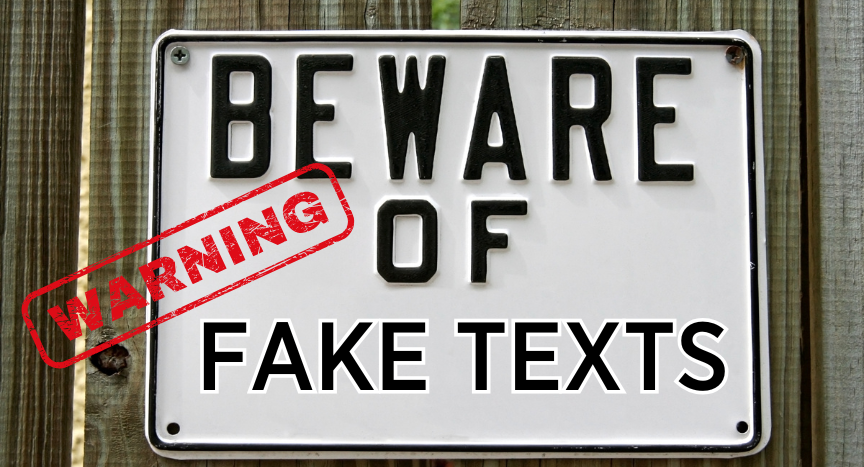
Scammers are increasingly targeting motorists with fraudulent messages about unpaid tolls, sparking alerts from transportation departments across various states, including Oregon, Washington, and Minnesota. These deceptive schemes aim to steal personal and financial information, leaving unsuspecting drivers at risk.
Oregon: No Toll System, No Text Links
The Oregon Department of Transportation (ODOT) recently emphasized that the state does not operate a toll program. Furthermore, if the Oregon DMV contacts you via text, these messages will never include links asking for personal information.
ODOT advises drivers to immediately delete suspicious messages and block the sender’s number. Clicking on these fraudulent links could lead to websites designed to steal sensitive information. For added peace of mind, verify any official communication from ODOT directly by calling 1-888-Ask-ODOT or 503-945-5000.
Washington State Urges Caution
The Washington State Department of Transportation (WSDOT) has also warned drivers about scam texts. If you receive a message about toll payments containing unfamiliar links, do not click them.
Drivers who want to check their toll account status or resolve billing issues are encouraged to visit the official Good to Go! website.
Minnesota’s Scam Concerns Around E-ZPass
Minnesota drivers using the E-ZPass system are being targeted similarly. The Minnesota Department of Transportation (MnDOT) advises anyone receiving dubious messages to refrain from responding, delete the text, and take steps to secure their personal and financial information.
MnDOT also recommends reporting fraud to the FBI’s Internet Crime Complaint Center or the Federal Trade Commission. If you have any concerns, you can contact MnDOT directly.
Other States Affected
This scam isn’t limited to these regions. The Owner-Operator Independent Drivers Association (OOIDA) reports similar texts disguised as official correspondence from the Missouri DOT, even though Missouri, like Oregon, does not operate toll roads. Scam activity has also been confirmed in states such as Delaware, Texas, Ohio, and Maryland.
Protect Yourself
Scammers are becoming increasingly sophisticated, but staying vigilant can help you avoid falling victim. Remember these key points:
- Delete suspicious messages immediately and block the sender’s number.
- Verify communication with official agencies by using phone numbers or websites you trust.
- Avoid clicking on unknown links in texts or emails.
- Report any incidents of suspected fraud to relevant federal agencies.
Your personal and financial security starts with staying informed. If something doesn’t feel right, it probably isn’t. Always double-check before responding to unsolicited messages.
Source: Land Line