
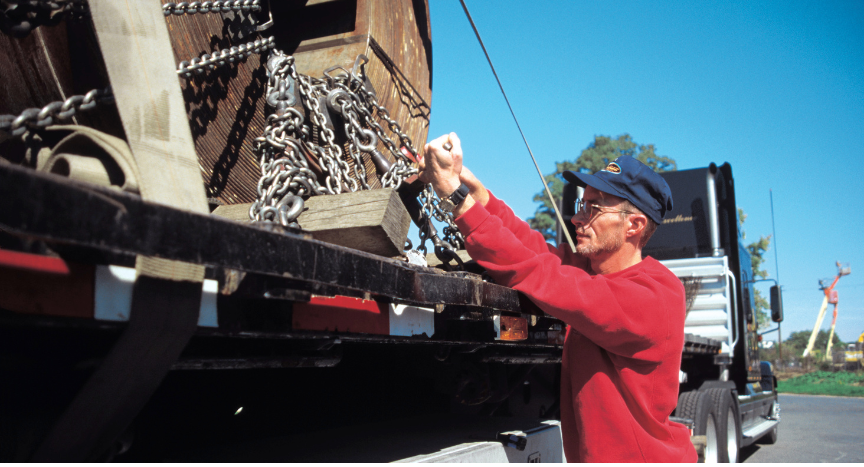
Cargo securement is one of the most important responsibilities a truck driver has before leaving a shipper. While the Federal Motor Carrier Safety Administration establishes minimum cargo securement standards, the way a load is secured often depends on what is being transported. A securement method that works for one type of freight may not provide adequate protection for another.
Understanding how cargo securement requirements change based on freight type helps reduce the risk of shifting loads, damaged freight, roadside violations, and crashes.
Every Load Must Meet Federal Cargo Securement Standards
The FMCSA requires cargo to be secured so it cannot shift, fall, spill, leak, blow off, or otherwise become dislodged during normal transportation. Drivers are responsible for verifying that cargo has been properly secured before beginning a trip and must inspect the load within the first 50 miles and at required intervals throughout the day.
Securement systems may include chains, synthetic web straps, wire rope, binders, blocking, bracing, dunnage, friction mats, load bars, cargo locks, and other devices. The equipment used depends largely on the commodity being hauled.
Several freight categories also have commodity-specific securement requirements under the federal cargo securement regulations.
Dry Van Freight
Many people assume freight inside an enclosed trailer cannot move, but cargo shifts still occur every day.
Dry van freight is commonly stabilized using pallets, load bars, dunnage bags, blocking, bracing, and cargo straps. Proper loading is just as important as the securement equipment itself. Space between pallets allows freight to move during braking, cornering, or evasive maneuvers.
Drivers should also verify that freight is distributed evenly throughout the trailer to help maintain proper axle weights and predictable vehicle handling.
Flatbed Freight
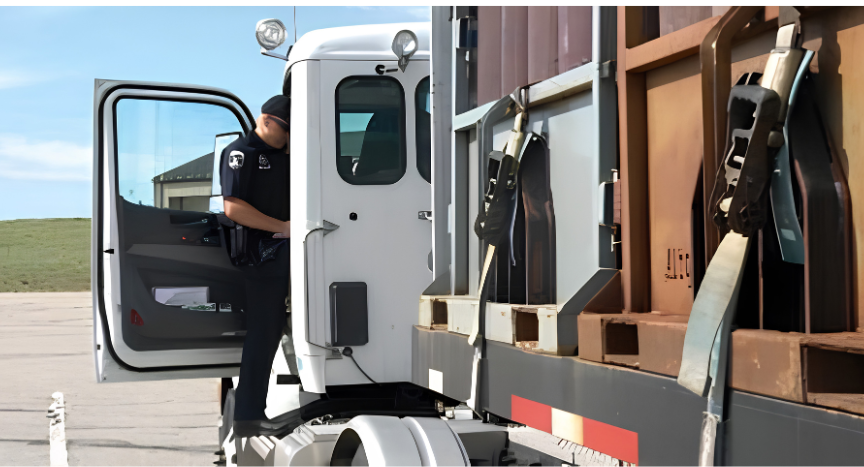
Flatbed transportation requires the widest variety of cargo securement equipment because the freight is completely exposed to road and weather conditions.
Depending on the commodity, drivers may use:
Chains
Synthetic straps
Chain binders
Edge protectors
Corner protectors
Friction mats
Dunnage
Coil racks
Tarps
The number of tie downs, their working load limits, and their placement depend on the dimensions and weight of the cargo. Machinery, steel products, lumber, concrete products, pipe, and fabricated equipment all require different securement methods.
Drivers should also inspect straps and chains during the trip because vibration and load settling can reduce tension.
Steel Coils
Steel coils are among the heaviest commodities hauled on flatbed trailers. Their concentrated weight and rounded shape require specialized securement techniques.
Depending on how the coil is positioned, drivers may use coil bunks, blocking, multiple chains, and specific tie-down patterns designed to prevent movement in every direction.
Proper chain ratings and working load limits become especially important because of the tremendous forces generated during braking and cornering.
Machinery and Construction Equipment
Bulldozers, excavators, tractors, and other heavy equipment present different securement challenges than palletized freight.
Each machine must be restrained using designated securement points while movable components such as buckets, booms, blades, and articulated arms often require additional restraint. Parking brakes and hydraulic systems are not considered acceptable substitutes for proper cargo securement.
Operators should also verify that accessories and attachments have been properly secured before transport.
Lumber and Building Materials
Lumber products can settle as they compress during transportation, changing the tension placed on straps.
Edge protection helps prevent damage to securement equipment while maintaining even pressure across the load. Dunnage creates stable stacking surfaces and allows securement devices to function as intended.
Weather exposure can also affect both wood products and securement equipment, making routine inspections important throughout the trip.
Roll Paper
Paper rolls require different securement methods depending on whether they are transported upright or on their sides.
Blocking, friction materials, straps, and specialized restraints are commonly used to prevent movement. Because paper rolls are extremely dense, even minor shifting can significantly affect vehicle stability.
Automobiles
Vehicle transport trailers use securement systems specifically designed for passenger vehicles.
Rather than securing vehicles across the body panels, transporters typically use wheel straps, wheel nets, or approved frame securement systems that hold each vehicle in place while reducing the risk of damage during transport.
Every vehicle must be secured individually before departure.
Refrigerated Freight
Temperature-controlled freight is often palletized, but that does not eliminate the need for proper cargo securement.
Produce, dairy products, beverages, pharmaceuticals, and frozen foods may require load locks, dunnage bags, blocking, or pallet stabilization to prevent movement.
Proper securement also helps maintain airflow throughout the trailer, which is essential for preserving consistent temperatures during transport.
Why Cargo Securement Is Never One Size Fits All
Every commodity behaves differently during transportation. Weight, center of gravity, packaging, trailer type, and the characteristics of the freight all influence how a load should be secured.
Understanding those differences helps drivers recognize potential problems before leaving the shipper and verify that appropriate securement methods have been used. Taking a few extra minutes to inspect cargo before departure can help prevent damaged freight, roadside violations, and unsafe conditions throughout the trip.
Frequently Asked Questions
What is considered a cargo securement device?
Cargo securement devices include any equipment used to keep freight from moving during transportation. Common examples include chains, web straps, binders, load bars, dunnage bags, blocking, bracing, friction mats, wire rope, and cargo nets. The appropriate device depends on the commodity being transported.
What is a working load limit?
A working load limit, often called a WLL, is the maximum load that a securement device is designed to safely restrain during normal use. Federal regulations require the combined working load limits of tie downs to meet minimum requirements based on the weight of the cargo.
Can damaged straps or chains still be used?
No. Tie downs that show excessive wear, cuts, broken stitching, bent hooks, cracked links, or other damage should be removed from service. Using damaged securement equipment can reduce its strength and increase the risk of cargo movement.
Where can drivers find the official FMCSA cargo securement rules?
The Federal Motor Carrier Safety Administration publishes cargo securement regulations in Part 393 of the Federal Motor Carrier Safety Regulations. Drivers should also follow any company policies and commodity-specific requirements that apply to the freight they transport.