

Intermodal trucking plays a critical role in today’s supply chain by moving shipping containers between ports and rail terminals. As a drayage driver, you’re the vital link that keeps freight moving on time, but that depends on syncing perfectly with both port and rail schedules. Understanding how appointment systems, fixed train schedules, and new technologies work together can help you avoid delays, reduce wait times, and increase your efficiency on the road.
- Intermodal: A Chain of Coordination
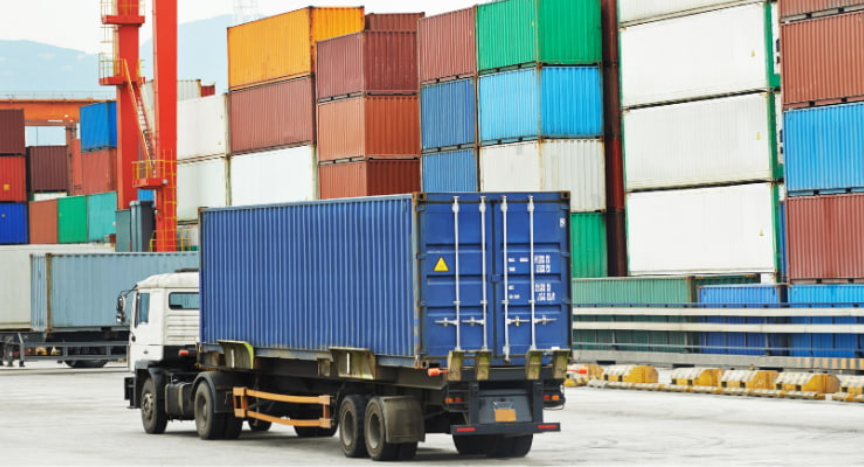
Intermodal freight transports containers via ship, rail, and truck. Drayage completes the critical “first and last mile,” moving containers between port terminals and rail ramps—vital for efficient freight flows.
- Appointment Systems Reduce Congestion
Major ports now require drayage trucks to book gate times before arrival. Without an appointment, drivers face delays or extra fees. According to C.H. Robinson, during peak demand in February 2025, up to 30% of transactions exceeded two hours due to appointment shortages.
- Precision Scheduled Railroading (PSR) Shapes Drayage Flow
Nearly all Class I railroads now use PSR—the practice of operating trains on fixed schedules, regardless of load volume. A recent study showed PSR reduces terminal dwell times and improves overall efficiency. Drayage providers must sync their pickups with these train schedules to avoid missed departures.
- Tech Tools: Gate Scanners, Mobile Check-Ins & AI
New tech helps drivers navigate port and rail interactions:
- Gate scanners & mobile check-in apps: Racing IDs and container numbers, speeding entry, and reducing paperwork.
- AI-driven scheduling: Forward-looking platforms suggest less congested time slots based on historical and real-time terminal activity.
- Infrastructure Upgrades Are Easing Turn Times
Ports are investing in infrastructure to keep pace with demand. Savannah, Los Angeles, Houston, and New York/New Jersey are upgrading cranes, yard space, traffic management, and equipment to reduce congestion and speed truck and rail access.
- Why Timing is a Driver’s Advantage
- Shorter dwell times on terminal leads to less idling and more trips
- Better route planning when appointments align with rail departure schedules
- Avoid rebookings or detention fees, which cost time and money
Intermodal drayage in 2025 runs on precision coordination between port appointments, rail schedules, tech systems, and infrastructure upgrades. The smartest way to stay ahead?
- Schedule your gate time early
- Use available tools (apps, scanners, AI)
- Track terminal and train status in real time
Getting these elements right means fewer delays, better pay, and more control over your route.