
Truck parking takes a financial toll before a driver ever pays for a space. Time left unused on the clock, extra miles spent checking another location and an early shutdown can all reduce the amount of productive driving completed during a trip.
According to the American Transportation Research Institute (ATRI), its Truck Parking Diaries research found that drivers gave up an average of 56 minutes of available driving time per day to secure parking. ATRI estimated that the lost time represented about 9,300 revenue-earning miles and roughly $4,600 in annual wages at the compensation levels used when the research was published. Those dollar figures are dated, but the study shows why the cost of parking extends beyond the price posted at a truck stop or private lot.
The Bigger Loss Can Happen Before the Search Begins
The 56-minute figure does not mean drivers spend nearly an hour driving around looking for parking each day. It reflects the amount of available driving time lost because of parking, including time given up by ending the day early to secure a legal parking space before lots fill.
For a mileage-paid driver, that distinction matters. A truck parked with time remaining on the clock is no longer accumulating paid miles, yet pushing farther down the road can create a different problem if the next viable parking option is full. The financial decision is therefore tied to when a driver stops, not simply how long it takes to find an open space.
The Federal Highway Administration (FHWA) has identified parking shortages along heavily traveled freight corridors including I-95 and I-81 in the East, I-70, I-40 and I-10 across the country, and I-5 in the West. Congestion and delivery schedules can make the situation less predictable because a delay earlier in the trip may change where a driver reaches the end of the available driving window.
Extra Parking Miles Do Not Move the Load
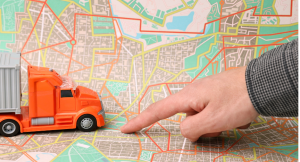
When the planned stop is full, the next option may require another exit, a return to the interstate or additional miles to a different facility. Those miles still consume diesel and add mileage to the truck, but they do not move the load closer to delivery.
The expense will be different for every operation, so there is no credible universal dollar amount to assign to a parking search. Fuel price, truck fuel economy, maintenance cost and the distance traveled all change the calculation. For an owner-operator, however, the distinction between loaded miles and miles driven solely to find a place to stop is worth tracking.
A simple way to measure the effect is to record parking-search mileage for several weeks. Separating those miles from the rest of the trip gives an owner-operator an actual number to use when comparing the cost of searching with paid or reserved parking options.
Parking Pressure Is Not Equal Everywhere
Research from the Federal Highway Administration shows why a nationwide space count does not tell the whole story. Parking demand changes by freight corridor, time of day and the type of facility available. A space also has to be in a location that works with the driver’s route and remaining hours to be useful.
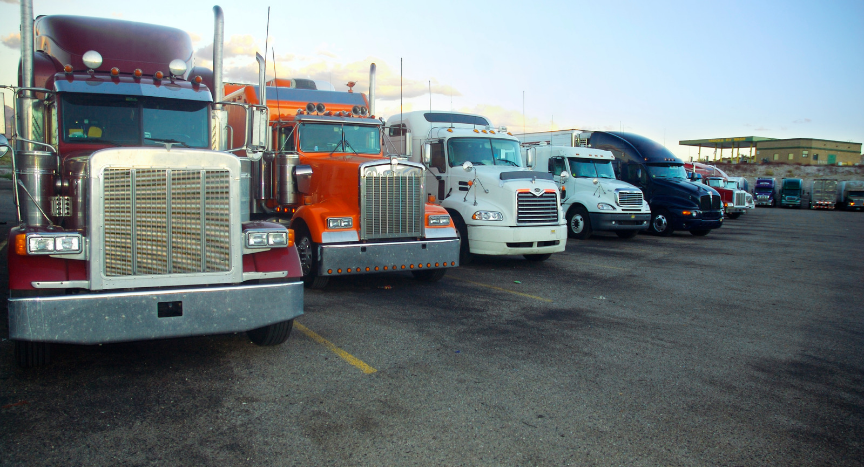
The mismatch becomes visible when designated spaces fill. Unofficial truck parking on freeway ramps, shoulders, local roads and other locations, with activity concentrated during evening and overnight hours was also identified. FHWA’s survey of state motor carrier safety officials found that 49 percent of identified unofficial parking locations were on freeway ramps and 27 percent were on shoulders.
That creates another cost that is harder to put on a spreadsheet. Reaching the end of a driving window without a suitable space can leave a driver choosing among options that may be farther from the route, less convenient or not intended for overnight truck parking.
Better Information Can Make the Remaining Spaces More Useful
Adding capacity is one part of the parking equation, but knowing where space exists also matters. Several states have deployed Truck Parking Information Management Systems that use sensors or vehicle counts to estimate available spaces and send that information to drivers through highway signs, websites, apps and other systems. The Federal Highway Administration has documented deployments across states including Iowa, Indiana, Kansas, Kentucky, Michigan, Minnesota, Ohio and Wisconsin.
Reservable private parking adds another option when a driver wants to know where the day will end before reaching the final stretch of the trip. Truck Parking Club is a nationwide marketplace for instantly reservable truck and trailer parking and storage, with hourly, daily, weekly and monthly options at participating commercial properties such as trucking terminals, warehouses, repair shops and storage facilities.
Through the CDAI Powered by TDUSA partnership with Truck Parking Club, TDUSA readers can receive $20 off their first booking with promo code TDUSA20 when they reserve through the TDUSA Truck Parking Club link here.
Frequently Asked Questions
How can I calculate what parking searches are costing my operation?
Track the miles driven specifically while looking for parking, then multiply those miles by your operating cost per mile. If parking also causes an early shutdown, keep that separate so you can see both the direct operating expense and the potential effect on revenue-producing miles.
Which interstate corridors have documented truck parking pressure?
The Federal Highway Administration has identified major freight corridors including I-95, I-81, I-70, I-40, I-10 and I-5 among areas where states and industry stakeholders have reported parking challenges. Conditions vary by location and time, so a corridor-level shortage does not mean every parking facility along that interstate is consistently full.
How do state truck parking availability systems know whether spaces are open?
According to the Federal Highway Administration, Truck Parking Information Management Systems can use cameras, in-ground sensors, radar, infrared equipment or systems that count vehicles entering and leaving a facility. The processed information can then be distributed through dynamic highway signs, mobile apps, websites or in-cab systems.
Is reserving a parking space always cheaper than searching for free parking?
Not necessarily. The answer depends on the reservation price and what the alternative costs on that particular trip. Comparing the fee with extra fuel, non-revenue miles and available drive time gives a more useful picture than comparing the parking prices alone.
The TDUSA editorial team creates practical, driver focused content covering trucking news, industry updates, safety, regulations, and career information for professional truck drivers across the United States. Each article is built to reflect real world experience, industry developments, and information drivers can use on and off the road.
Last Updated: October 6, 2026
Source: ATRI, Federal Highway Administration