

Decades behind the wheel give drivers a perspective that cannot be learned in a classroom. For Scott Lindsey, that experience has become a tool not only for safe driving but for helping carriers and fellow drivers improve how trucking works on both sides of the windshield.
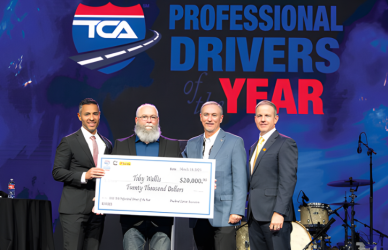
Lindsey, a driver with Cheema Freightlines, was named one of the Truckload Carriers Association Professional Drivers of the Year for 2025 and was recognized during the association’s annual convention earlier this year.
The recognition gave Lindsey more than an award. It gave him access to industry discussions that most drivers never see.
Seeing the industry beyond the cab
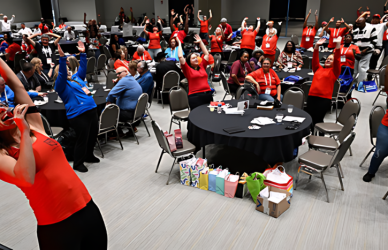
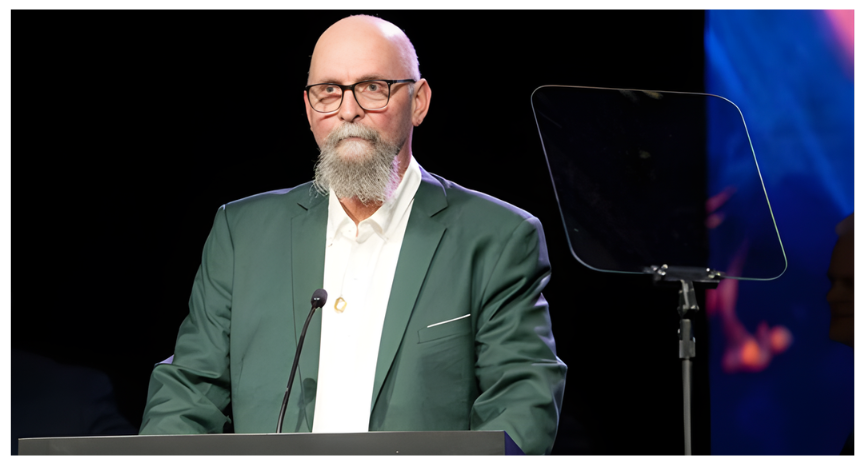
As part of the honor, Lindsey participated in multiple TCA events, including the Safety and Security Meeting held June 8–10 in Louisville, Kentucky. During that meeting, he participated in the “View from the Driver’s Seat” panel, which brought together drivers and industry leaders to discuss safety, operations, and decision-making.
“It gave me a whole new perspective and outlook on the industry,” he said of the Safety and Security Meeting as a whole. “I’ve been on the driver’s side of it for all these years, and then to see what goes on behind the scenes was really an eye-opener.”
That exposure, Lindsey says, helps him better prepare new drivers for the realities of the job, especially at Cheema Freightlines, where he now plays a role in mentoring and training.
Before joining Cheema, Lindsey spent 26 years in a similar role at Gordon Trucking before the company was sold.
Experience that benefits both drivers and carriers
Cheema’s leadership points to Lindsey’s background as a key reason he has been effective both on the road and as a mentor.
“Scott (Lindsey) brought decades of safe driving experience to Cheema,” said Rob Newell, Cheema’s vice president of driver services. “Along with that came a broad understanding of basic priorities necessary to be successful as a driver and a trucking company.”
Lindsey’s trucking career began well before modern training programs existed. After serving in the Air Force, he discovered that military driving experience was not recognized for commercial trucking at the time. He attended an eight-week truck driving school, completed 300 hours behind the wheel, and earned a Washington state chauffeur’s license that was later converted into a CDL.
Looking back, Lindsey believes that depth of training is missing from many programs today.
“The school was informative, and we had to have 300 hours behind the wheel,” he said of his driver training. “I wish schools today were like that one, because the drivers that are coming out of these schools today — they’re not ready. They’re trained to pass the CDL test, but not to be truck drivers.”
Trusted voice in equipment and technology decisions
Beyond training, Cheema has relied on Lindsey’s experience when evaluating new equipment and systems. His real-world feedback has helped the carrier make decisions that affect drivers across the fleet.
“Most recently, he was selected among 10 drivers who were early adopters of our new Platform Science telematics system,” Newell said. “He and that group attended a full day of training. He was instrumental in assisting us with the development and integration of the system as we customized it for our specific requirements from the road up.”
That trust goes both ways. Lindsey describes Cheema as a company that backs its drivers with actions, not just words.
“When you come to work for Cheema, you don’t come to work for a company. You become part of the family,” he said. “If they tell you something, you can take it to the bank.”
Support when it mattered most
During an interview with Truckload Authority, Lindsey shared how that support became especially meaningful during the illness and loss of his wife two years ago.
“I took her to the doctor, and they said the medications weren’t working anymore,” he said, explaining that he spoke with Harman Cheema, the company’s president and CEO, about the situation and the time he needed away.
“I told Harman, ‘I got your truck here in my yard. What do you want me to do with it (while I take care of my wife?” Lindsey recalled. “He asked me if the location was safe and told me to hang on to it. That truck sat there for three months — no phone calls, no pressure. That was more valuable to me than any amount of pay raise or anything.”
Giving back to drivers on and off the road
Lindsey’s commitment to other drivers extends beyond training and advice. Living near Cheema’s terminal in Albany, Oregon, he makes a point of opening his home during the holidays.
“Guys that are stuck out on the road, they can at least come to the house and have a nice meal,” he said.
When it comes to advice for new drivers, Lindsey keeps it practical.
“Practice patience; don’t get in a hurry,” he said. “Also, trip plan, trip plan, trip plan. Regardless of GPS or routing messages, you still have to plan out your trip.”
He also encourages drivers to use available tools to reduce surprises at delivery points.
“You can see your way in — where the docks are and everything — so when you get there, you’re not going in blind,” he explained. “Use the technology and tools that are given to you to make your job easier.”
Life on the road and the value of companionship
Lindsey is also an advocate for carrier pet programs and travels with his dog, Tripod.
“(Having a pet along) makes a big difference for drivers’ physical and mental well-being,” he said. “Tripod is my rock. He keeps me grounded. He keeps me sane.”
Newell says Lindsey’s professionalism and willingness to help others set the standard at Cheema.
“Scott has also been a great team player — or ‘Cheemate’ as we like to say — and he’s always willing to assist other drivers as needed.”
With no immediate plans to retire, Lindsey expects to continue sharing his experience and helping drivers succeed well into the future.
This story originally appeared in the January-February 2026 edition of Truckload Authority, the official publication of the Truckload Carriers Association.
Source: The Trucker