

Alaska’s ice roads are not television drama. They are real winter routes that keep remote communities and industrial sites supplied when no other overland access exists. Every season, a small group of professional truck drivers moves fuel, food, and equipment across frozen lakes, rivers, and tundra to places that would otherwise be cut off for months. The job is demanding, yet it remains a key part of Alaska’s transportation network.
What Ice Road Trucking Is in Alaska
Ice roads in Alaska are temporary routes built over frozen surfaces. They connect villages, oilfield operations, and remote project sites while the ground and water are solid enough to support heavy trucks. These routes change from year to year based on ice conditions, weather, and local need. The Alaska Department of Transportation and Public Facilities supports these routes as part of its winter transportation plan. Local governments and agencies rely on them for safe access and emergency response where roads are not possible.
For truckers, this means operating in a tightly controlled environment. Only certain routes open at certain times. Companies must follow strict rules about how heavy loads can be moved and when. Drivers need to understand the conditions they face and stay within the limits set by local authorities.
How Safety Is Managed on Alaska’s Ice Roads
Safety on Alaska’s ice roads stands on three main factors. The thickness and quality of the ice matter. The weight and size of the loads matter. The timing and speed of travel matter. Thicker, stable ice can carry heavier loads, but temperature changes and repeated traffic can weaken the surface. Routes are often restricted to certain vehicle types and weight classes. Local agencies may close or change routes when conditions shift.
Drivers preparing for these routes must carry cold‑weather survival gear. They must keep their communication systems working. They must plan for long stretches with no nearby services. Mechanical reliability becomes critical. A breakdown in remote conditions can turn into a serious safety issue very quickly.
Key safety practices include:
- Checking ice conditions and route status before every trip.
- Staying within posted weight and speed limits for the route.
- Carrying enough fuel, heat, and emergency supplies to last several hours.
- Keeping communication devices charged and ready at all times.
Day to Day Life on Alaska’s Winter Routes
Life on Alaska’s winter and ice routes mixes long hours, limited services, and careful planning. Many routes sit hundreds of miles from major repair shops or medical facilities. Self‑sufficiency is essential. Drivers maintain fuel, heating, and mechanical systems to operate in bitterly cold temperatures.
Even with the challenges, many professional drivers value the work. They move essential supplies where regular roads do not reach. The sense of isolation stays balanced by strong on‑road communication. Coordinated dispatch keeps drivers connected and informed.
Drivers on these routes often deal with:
- Extended stretches with no cell service.
- Limited food and fuel options between stops.
- Heavy clothing and gear that must be changed and stored in tight spaces.
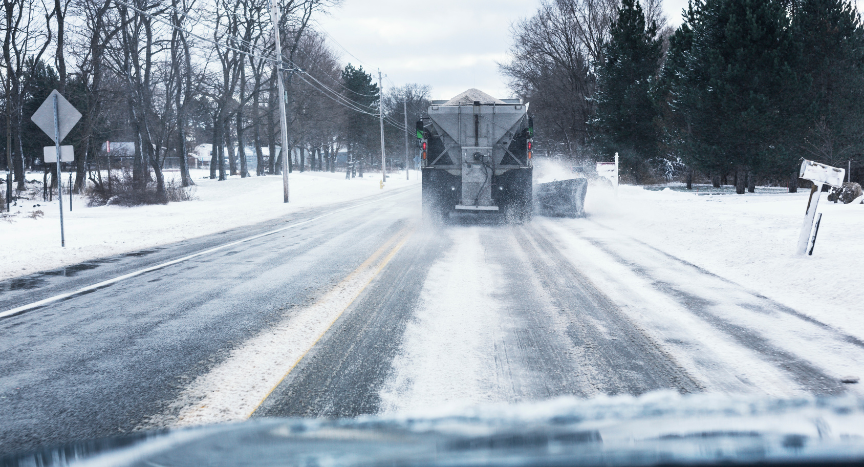
- Changing weather that can delay or reroute planned trips.
How to Find Trucking Jobs in Alaska and the North
Drivers interested in Alaska freight and winter routes can search for current openings through national and regional job boards. Typical requirements for high‑demand Alaska work include:
- A Class A Commercial Driver’s License with relevant endorsements.
- Experience in over‑the‑road or mountain driving.
- Experience or familiarity with winter operations or cold‑weather states.
- A clean Department of Transportation record.
Carriers that regularly operate in Alaska rely on platforms that connect professional drivers with verified positions across the circumpolar regions.
Why Ice Road and Winter Trucking Matter
Ice roads and winter trucking keep Alaska’s remote communities and industrial projects supplied when no other overland routes exist. Without this specialized segment of trucking, fuel for homes and equipment, medical supplies, and construction materials would be delayed or impossible to reach in many areas.
For qualified drivers, these routes offer a unique mix of challenge, responsibility, and purpose. If you are ready to take on Alaska’s toughest routes, search truck driver jobs in Alaska and northern regions on TruckDriversUSA and connect with carriers actively hiring for winter and seasonal operations.