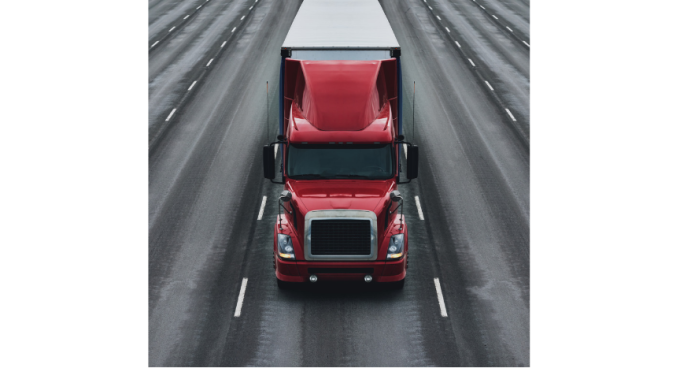


Indiana has long been a major freight state, with interstates connecting its cities to Chicago, Detroit, Louisville, Cincinnati and other large Midwest markets. That freight activity also supports a sizable trucking workforce, giving someone looking for a job plenty of ground to cover when comparing pay.
The latest wage data from the U.S. Bureau of Labor Statistics shows that pay for heavy and tractor-trailer truck drivers can differ depending on where in Indiana a job is based. Indianapolis has the state’s largest concentration of these positions, but smaller markets and nonmetropolitan areas also make up an important part of the employment picture. BLS publishes wage estimates for metropolitan and nonmetropolitan areas throughout Indiana, allowing applicants to look beyond a single statewide number when weighing an offer.
Indiana Trucking Pay Is Not One Number
BLS classifies heavy and tractor-trailer truck drivers under occupation code 53-3032. Its Occupational Employment and Wage Statistics program measures wages paid to employees across industries, giving job seekers a broad benchmark for what employers are paying in a particular market. The estimates do not include self-employed workers, an important distinction for owner-operators comparing their business revenue with employee wages.
The data is most useful when the different measures are kept separate. A median wage represents the midpoint, meaning half of workers earn more and half earn less. A mean wage is an average of all wages reported for the occupation. Those figures answer different questions and should not be treated as interchangeable.
Local wage ranges can add another layer. Looking at the 25th, median and 75th percentiles can show how widely earnings are distributed within an area, which is more informative than assuming one average represents every trucking job available there.
Indianapolis Has Indiana’s Largest Trucking Job Market
The Indianapolis-Carmel-Greenwood metropolitan area had approximately 20,480 heavy and tractor-trailer truck driving jobs in May 2025, according to BLS. The occupation’s mean wage was $30.36 an hour, or $63,160 annually.
The size of the market is just as notable as the pay figure. Transportation and material-moving occupations accounted for 12.9% of employment across the Indianapolis area, compared with 8.8% nationally. Heavy and tractor-trailer truck driving was one of the area’s larger individual transportation occupations.
That concentration gives Indianapolis a different employment landscape from many smaller Indiana markets. It does not mean a job based there will automatically pay more, but it does mean there is a substantial pool of trucking employment within one metro area.
Indiana’s Smaller Markets Are Worth Comparing
Indianapolis is only one part of the state’s trucking job market. BLS publishes separate occupational estimates for Fort Wayne, Bloomington, Columbus, Elkhart-Goshen, Evansville, Kokomo, Lafayette-West Lafayette, Muncie, South Bend-Mishawaka and Terre Haute, along with northern, central and southern nonmetropolitan Indiana.
That matters when comparing jobs that may be only a few hours apart. A position based in Indianapolis and one based in Fort Wayne can involve different employers, freight networks and compensation structures even though both are Indiana jobs.
Fort Wayne provides a good example of how deeply transportation work is embedded in some of the state’s smaller labor markets. Transportation and material-moving occupations accounted for 10.6% of employment there in May 2025, making it one of the area’s three largest occupational groups.
The same principle applies outside metropolitan areas. BLS divides the remainder of Indiana into northern, central and southern nonmetropolitan regions rather than folding those jobs into one statewide rural category. Someone looking at work outside Indianapolis can therefore compare the appropriate regional figures instead of relying on a metro wage that may have little connection to the job being considered.
The Employer and Pay Structure Still Matter
Geography provides context, but it cannot explain every difference between two offers. BLS wage estimates combine heavy and tractor-trailer truck driving jobs across multiple industries, while individual employers can compensate employees in very different ways.
A mileage-based position, hourly local job and salaried driving position may produce similar annual earnings through very different schedules. Bonuses, accessorial pay and other compensation can further change what someone actually earns.
That is why a market wage works best as a comparison tool. If an employer advertises annual earnings substantially above the typical figure for its area, the next question is what the position requires to reach that amount. Expected miles, schedule, home time, freight, loading responsibilities and additional pay all help put the advertised figure into context.
The reverse is also true. An offer below the local benchmark may come with a schedule or compensation package that still makes sense for a particular person. Wage data cannot determine whether a job is a good fit, but it can make it easier to recognize when an offer deserves a closer look.
Use the Local Market When Comparing Indiana Jobs
Indiana’s trucking market is spread across major freight centers, manufacturing communities and rural areas, so a statewide figure only goes so far. BLS maintains separate estimates for numerous markets across the state, and those local numbers provide a better reference when comparing jobs in different parts of Indiana.
Indianapolis stands out with more than 20,000 heavy and tractor-trailer truck driving jobs and a 2025 mean annual wage of $63,160. Elsewhere, the better comparison is the wage data for the market where the job is actually based rather than the Indianapolis figure or a broad national average.
For someone considering a new position, those numbers provide a starting point for evaluating the offer that matters most: the one attached to the actual employer, schedule and work being considered.
FAQ
Does BLS include owner-operators in its Indiana truck driver wage estimates?
No. BLS Occupational Employment and Wage Statistics estimates cover wage and salary workers and exclude self-employed workers. Owner-operators should not compare gross business revenue directly with the employee wage figures in this guide.
Why can two Indiana trucking jobs have very different advertised pay?
Location is only one factor. Employers may use mileage, hourly or other compensation structures, while schedules, freight, experience requirements, bonuses and additional paid work can also affect annual earnings.
Should I compare a job offer with the mean or median wage?
Check which measure the source is reporting before making the comparison. A median identifies the midpoint of the wage distribution, while a mean is an average. Using the same measure when comparing markets prevents an average in one area from being mistaken for the equivalent of a median somewhere else.
Does BLS publish wage data for areas outside Indianapolis?
Yes. BLS publishes 2025 occupational estimates for numerous Indiana metropolitan areas as well as northern, central and southern nonmetropolitan regions.
What was the average truck driver pay in Indianapolis?
Heavy and tractor-trailer truck drivers in the Indianapolis-Carmel-Greenwood metro had a mean annual wage of $63,160, or $30.36 an hour, in May 2025. BLS estimated employment in the occupation at 20,480.
The TDUSA editorial team creates practical, driver focused content covering trucking news, industry updates, safety, regulations, and career information for professional truck drivers across the United States. Each article is built to reflect real world experience, industry developments, and information drivers can use on and off the road.
Last Updated: October 9, 2026