
Electric trucks are moving into day-to-day operations even as emissions rules shift, and Paccar is adding more choices for fleets and drivers. Both Peterbilt and Kenworth have released new medium-duty electric models built for regional work, delivery routes, and vocational jobs that depend on steady torque and predictable power.
Peterbilt launched its Model 567EV earlier this year, and Kenworth released the Kenworth T880E. Those trucks were the first vocational electric models for each brand. Peterbilt has now expanded its medium-duty electric lineup with the 536EV, 537EV, and 548EV. These trucks join the 579EV and 567EV in the existing Peterbilt electric lineup. The 536EV and 537EV are aimed at regional delivery and service work, while the 548EV is a Class 8 model that supports 4×2 tractors and vocational setups with PTO systems, including dump applications.
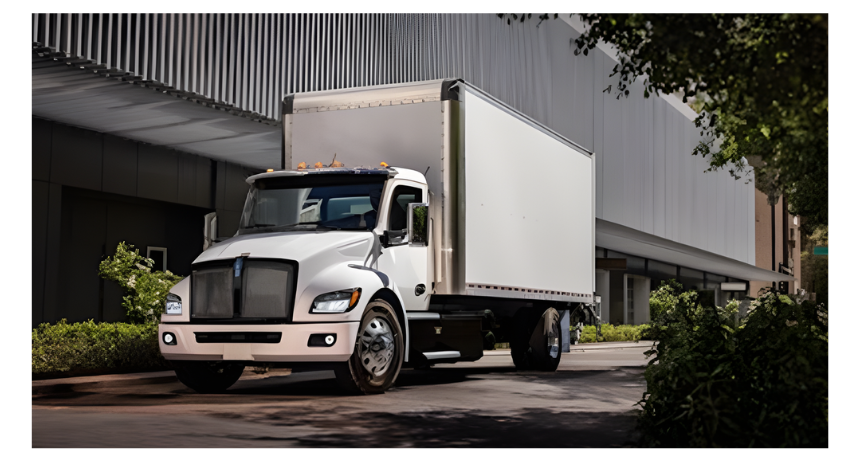
Kenworth introduced comparable medium-duty models that made their debut on the same day. The T280E is presented as a fit for pickup and delivery and urban routing. The T380E supports pickup and delivery, regional haul, utility work, and light vocational operations. The T480E is the option for heavier delivery routes, drayage, utility fleets, and select vocational use. All three models can be ordered with factory-installed high-voltage ePTO ports that can power equipment or support a mechanical ePTO once an upfitter completes the body work.
One of the key features in these trucks is the Paccar ePowertrain. It places a midship-mounted eMotor with dual electric motors and an integrated three-speed transmission that delivers shifting without torque interruption. Depending on the configuration, the trucks can provide up to 605 horsepower and 1,850 pound-feet of torque. Rapid 350kW DC charging can bring the lithium iron phosphate battery packs to 80 percent in just over 80 minutes. Drivers can also rely on a selectable three-stage regenerative braking system that returns energy to the battery. Two battery capacities are available and can provide a maximum range of 280 miles based on the chosen setup.
For drivers who run shorter and predictable routes, Kenworth highlighted the T280E. The company states that this model offers up to 200 miles of range, which supports pickup and delivery as well as urban operations. Kenworth also reports the option for a two-string battery setup with eMotor ratings up to 270kW and 1,100 pound-feet of torque.
Both brands use a flexible architecture that supports 4×2 and 6×4 configurations, wheelbases of 163 inches or longer, and applications up to a gross combined weight of 82,000 pounds. This allows fleets to place the new electric trucks into familiar roles without major changes to their current equipment setups.
Source: Commercial Carrier Journal