
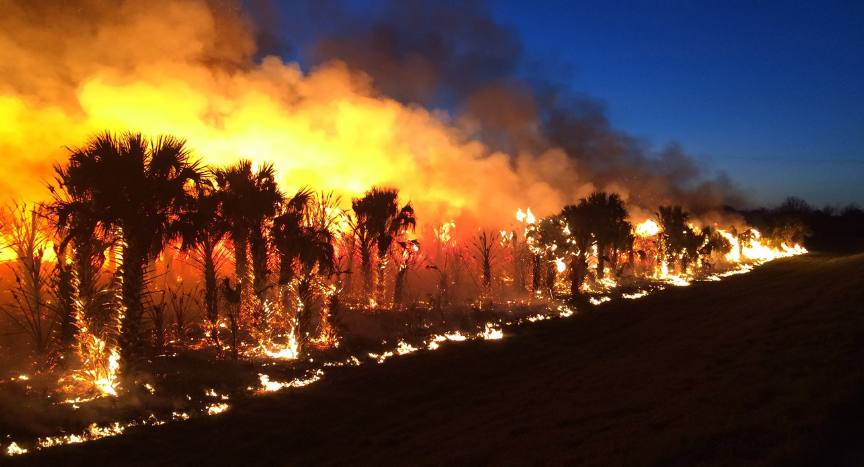
The Oregon Department of Transportation is warning drivers that active wildfires are disrupting travel on highways across the state, including U.S. 20 and U.S. 26 between central and eastern Oregon.
ODOT said fire activity can shift quickly, allowing highways to close or reopen with little notice. The agency is encouraging travelers, including commercial drivers, to check TripCheck.com for current road conditions, closures, and delays before heading out.
ODOT Crews Responding Across the State
Transportation crews continue working around the clock by staffing road closures, setting up traffic control, piloting traffic when possible, assessing roadway damage, coordinating with emergency responders, and reopening highways as conditions allow.
ODOT said roads are closed only when needed to protect the public or give firefighters and emergency crews room to work safely. Drivers are asked to follow all road closures, traffic control devices, and directions from flaggers, and to stay clear of closed areas and emergency equipment.
Smoke and Fire Conditions Can Change Quickly
The department cautioned that highways may reopen before repairs are completed. Drivers could encounter damaged guardrails, missing signs, or other roadside damage in burned areas until crews are able to return.
Smoke may also reduce visibility without warning. ODOT advises motorists to slow down, increase following distance, and use extra caution when traveling through smoky conditions. Power outages near wildfire areas may also affect traffic signals, and dark signals should be treated as four way stops.
TripCheck.com remains ODOT’s recommended source for current highway conditions. The agency noted that GPS navigation may direct drivers onto forest service roads or other routes that are not intended for highway traffic.
The TDUSA editorial team creates practical, driver focused content covering trucking news, industry updates, safety, regulations, and career information for professional truck drivers across the United States. Each article is built to reflect real world experience, industry developments, and information drivers can use on and off the road.
Last Updated: July 29, 2026
Source: The Trucker