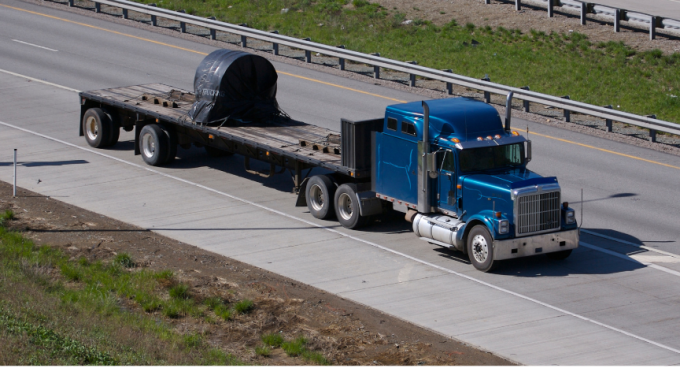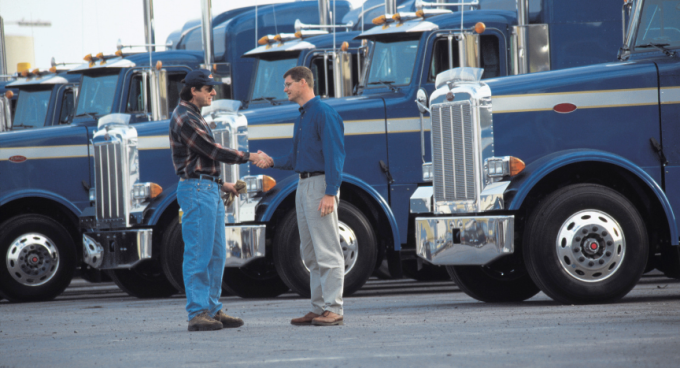

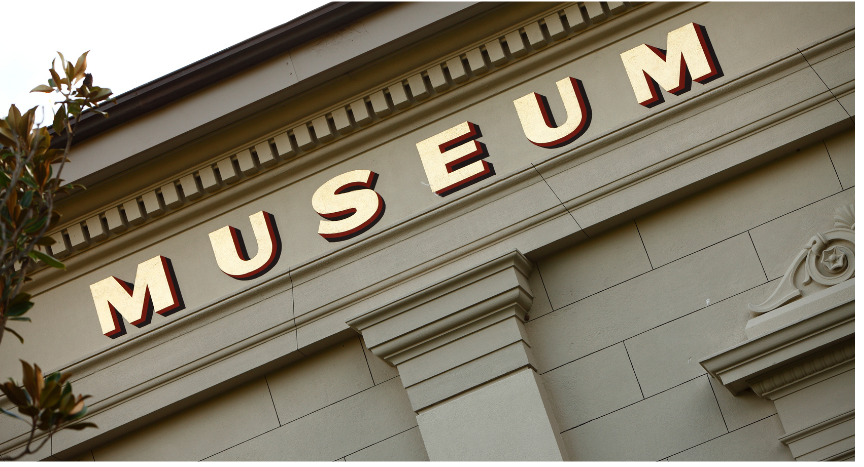
There is a good chance you’ve driven past one of the country’s best trucking museums without realizing it.
Every day, thousands of commercial vehicles pull into the Iowa 80 Truckstop in Walcott, Iowa. Drivers fuel their trucks, grab a meal, take a shower, and head back onto Interstate 80. Just beyond the parking lot sits a museum dedicated to the industry’s history, yet many visitors never walk through its doors.
That isn’t unusual. Unlike aviation or railroading, trucking was built around equipment that worked until it wore out. Trucks weren’t set aside for future generations. They were rebuilt, traded, cannibalized for parts or eventually scrapped, leaving relatively few examples behind. The museums that exist today were created because collectors, manufacturers, and industry organizations recognized that much of trucking’s history could disappear if no one preserved it.
If your travels put you nearby, these are some of the destinations worth making time for.
Iowa 80 Trucking Museum, Walcott, Iowa
The Iowa 80 Trucking Museum feels like a natural extension of the truck stop next door. Many visitors arrive expecting a handful of restored trucks and quickly realize the collection tells a much bigger story.
Walking through the galleries, it’s easy to see how rapidly commercial vehicles changed during the twentieth century. Early trucks look more like oversized wagons than modern tractors, with exposed mechanical components, narrow tires and cabs that offered little protection from the weather. Move forward a few decades and familiar design elements begin to appear as manufacturers responded to longer routes, heavier freight and growing interstate commerce.
The museum doesn’t rely on technology or interactive displays to explain those changes. The trucks do that on their own. Looking at a restored 1910s work truck beside equipment built several decades later makes it clear how quickly the industry evolved as America’s freight network expanded.
Its location is another reason the museum stands apart. Few trucking museums sit beside one of the busiest truck stops in North America, making this one an easy visit for drivers already traveling Interstate 80.
Mack Trucks Historical Museum, Allentown, Pennsylvania
Ask a group of truck drivers to name an American truck manufacturer, and Mack will almost always be part of the conversation.
The Mack Trucks Historical Museum reflects that legacy, but it isn’t built around rows of polished tractors alone. Historic vehicles share space with factory records, engineering drawings, advertising artwork, and production documents that reveal how the company developed many of its best-known models.
Those archives provide something most transportation museums cannot. They connect the finished truck with the decisions made long before it reached the highway. A visitor can trace the evolution of Mack’s engineering, see how designs changed over time, and better understand why certain models became industry standards.
Because access is limited during parts of the year, checking current visitor information before making the trip is recommended.
The Highway That Helped Shape Long Distance Trucking
Route 66 is often remembered for classic cars, roadside diners and family vacations, but commercial transportation played an important role in its history as well.
Before Interstate 40 became the primary east-west corridor through Oklahoma, trucks moved freight through towns that depended on highway traffic for their economy. Fuel stations, repair shops, restaurants, and small businesses grew because commercial drivers and travelers passed through every day.
The Oklahoma Route 66 Museum in Clinton captures that period without trying to romanticize it. Exhibits explain how communities developed around the highway and how dramatically those communities changed after interstate construction redirected traffic onto faster routes.
For drivers crossing western Oklahoma today, it’s a reminder that many of the roads now considered secondary once carried the same long-distance traffic that fills the interstates.
Preserving More Than Old Trucks
The trucks inside these museums are impressive, but they’re only part of what has been preserved.
Original photographs document fleets that disappeared decades ago. Engineering drawings record designs that shaped future generations of commercial vehicles. Highway exhibits explain why freight moved where it did, while restored signs, tools and equipment capture details that rarely survive once a business closes or a fleet is replaced.
Taken together, those collections tell a story that extends beyond individual trucks. They show how manufacturers responded to changing freight demands, how highways reshaped the movement of goods across the country and how an industry built around constant motion still found ways to preserve pieces of its past.
The next time you find yourself parked at Iowa 80, traveling through eastern Pennsylvania or crossing Oklahoma on Interstate 40, one of trucking’s most interesting stops may be much closer than you expected.