
Roadside inspection reports show that some of the most frequently cited violations have little to do with a major mechanical failure. Logbook errors, missing records, expired credentials, and unavailable inspection documents can create the same enforcement problems as faulty equipment.
Federal inspection data also shows an important distinction between common violations and out-of-service conditions. Lighting and paperwork issues may generate citations, while serious brake, tire or cargo securement defects can prevent a truck from returning to the road until repairs are completed.
Hours-of-Service Records Draw Close Review
False or inaccurate records of duty status remain among the violations most often identified during roadside inspections. ELDs have removed much of the handwritten work, but they have not eliminated incorrect duty selections, unidentified driving time, missed certifications, or edits that conflict with supporting documents.
A driver should be able to account for the current day and the previous required days when an officer reviews the log. Any malfunction also requires an immediate shift to the approved backup process, which may include paper logs and reconstructed records.
The Commercial Vehicle Safety Alliance placed added attention on ELD tampering and falsification during its 2026 International Roadcheck campaign. That focus reflects continuing concern about devices or practices used to conceal hours-of-service violations.
CDL and Inspection Documents Can Stop a Trip
An otherwise clean inspection can still produce violations when the driver or vehicle records are not current.
Officers may verify the CDL class, endorsements, restrictions and medical certification status. A downgraded license, missing endorsement, or expired credential can prevent a driver from legally operating the vehicle assigned to the trip.
Proof of the truck’s periodic inspection also must be available. Federal rules generally require covered commercial vehicles to pass that inspection at least once every 12 months. The work may have been completed, but an unavailable or expired document can still create a roadside problem.
Lighting Defects Remain Easy to Find
A failed lamp is one of the simplest violations for an officer to identify before speaking with the driver.
Brake lights, turn signals, headlamps, clearance lamps and identification lights all deserve attention during the pre-trip. The trailer connection matters too. A tractor may pass its initial lighting check, then develop a problem after coupling to a different trailer.
Reflective material can also draw scrutiny when it is damaged, missing, or obscured. Those defects may look minor in daylight but reduce the visibility of the combination at night.
Brake and Tire Problems Carry Greater Consequences
Brake defects continue to account for a substantial share of commercial vehicle out-of-service violations. Inspectors look for worn or damaged components, air leaks, improper adjustment, and other conditions that reduce braking performance.
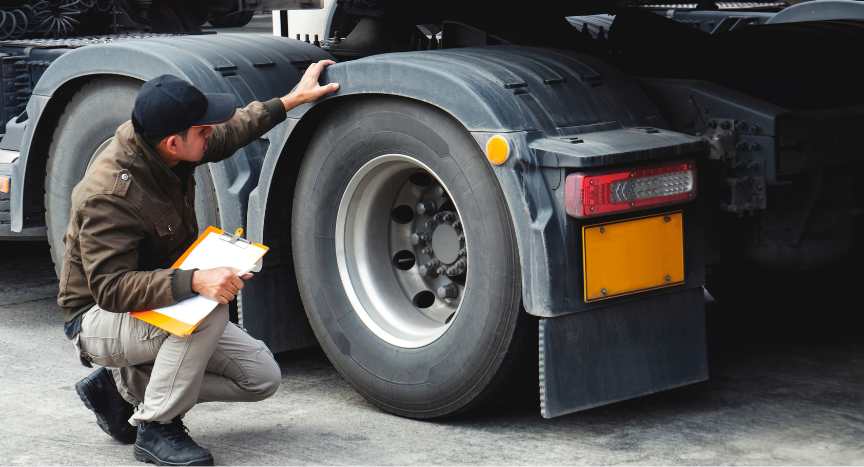
Tires receive similar attention. Exposed cords, sidewall damage, inadequate tread depth and audible air loss can lead to immediate restrictions, particularly when the defect affects a steering axle.
These problems are not always obvious from the driver’s seat. Changes in air pressure, pulling during braking, vibration or unusual tire wear should be reported before the next roadside inspection confirms the defect.
Cargo Securement Requires More Than a Pickup Check
A load that was secure when it left the shipper may not remain that way for the full trip. Straps can loosen, chains can shift, and freight can settle after the truck begins moving.
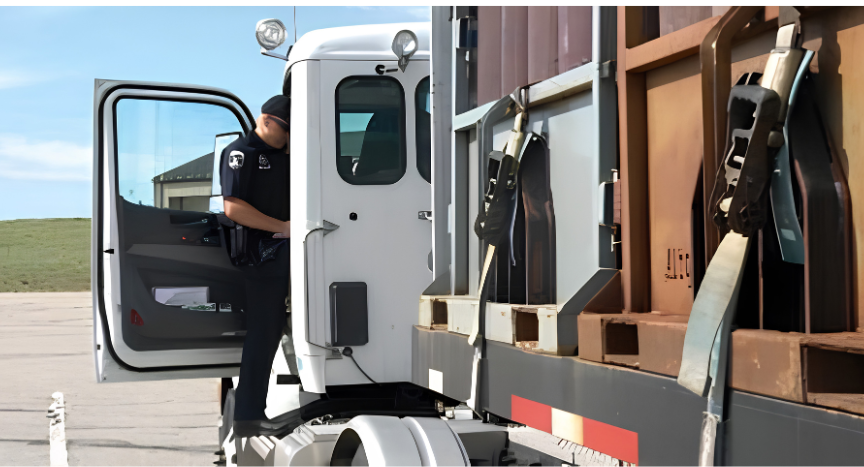
Federal securement rules require drivers to inspect certain loads again after departure and at prescribed points during the trip. Open-deck freight receives particular attention, but enclosed cargo can also become a concern when movement affects vehicle stability or damages the trailer.
Tie-down condition matters as much as placement. Cut straps, damaged chains, and defective binders may no longer provide the working load limit required for the freight.
The Violations Most Likely to Be Prevented
Some roadside defects develop without warning, but several common violations leave clear signs before the inspection begins. The log contains an unresolved event. A lamp fails during a trailer swap. A license or annual inspection date is approaching. A strap begins to loosen after the load settles.
A careful pre-trip cannot guarantee a clean inspection, but it can remove many of the issues that repeatedly appear in enforcement data. Accurate records, current documents, and a complete walk-around give drivers the best chance of addressing those problems before an officer records them.