

Truck drivers working in the Pacific Northwest must navigate a complex set of route restrictions and regulations to protect infrastructure, ensure safety, and comply with legal requirements. By knowing these limitations and exploring alternatives, drivers can keep deliveries on schedule while staying within the rules.
Washington’s Truck Route Restrictions
The Washington State Department of Transportation (WSDOT) enforces restrictions based on weight, height, width, and length to protect roads and bridges. Urban areas and residential neighborhoods restrict trucks over certain sizes and weights. Oversized and overweight vehicles need special permits and must use designated truck routes. Drivers can use WSDOT’s truck route maps and tools for accurate planning. Major highways such as Interstate 5 and I-90 are key routes, but local access is limited.
Oregon’s Route Limitations
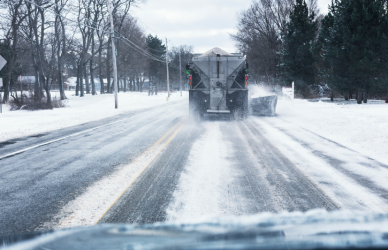
Oregon’s Department of Transportation (ODOT) imposes similar rules with added seasonal regulations for mountain passes that may require chains or close during winter. Portland and other cities limit truck access on specific roads to reduce traffic. Weight and size restrictions vary and must be checked regularly.
Alternatives for Restricted Routes
- Use state-approved alternative truck routes detailed on WSDOT and ODOT
- Employ GPS apps and route-planning software that factor in restrictions and live traffic conditions.
- Consult live updates from WSDOT real-time tools and Oregon travel alerts.
- Communicate with dispatch to adjust schedules or select alternative routes when restrictions or closures occur.
Planning for Safety and Efficiency
Planning before each trip is critical. Make sure all permits required for oversized or overweight vehicles are in place. Check height, weight, and length restrictions along the route. Use reliable tools that account for local regulations and live closures. This reduces the risk of fines, delays, or accidents.