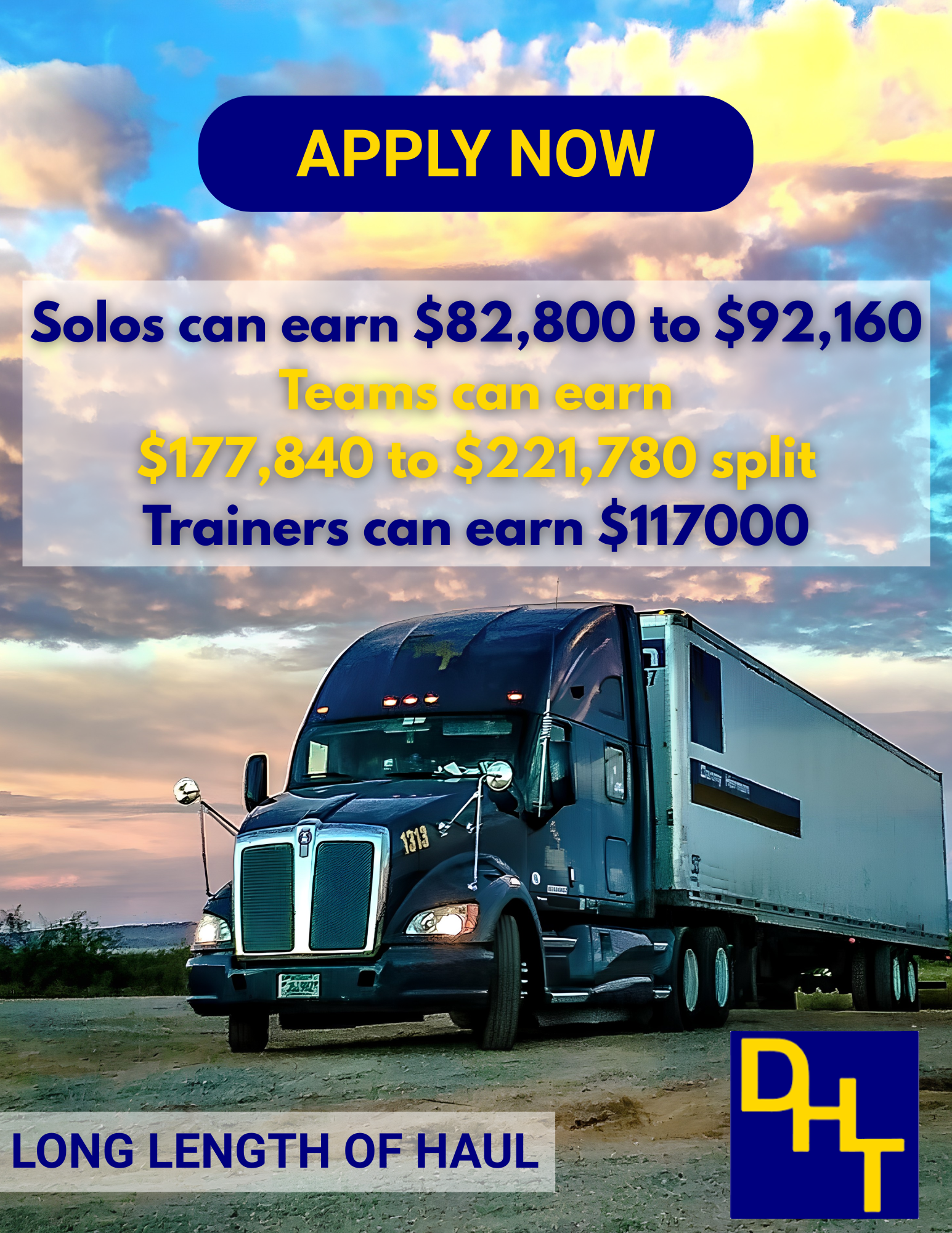


The first year as a truck driver is when most new drivers either adjust or leave the industry. Pay starts lower than that of experienced drivers, schedules are inconsistent, and new hires are typically placed in over-the-road roles with extended time away from home. The first few months are focused on learning how to run miles consistently, manage time under hours-of-service rules, and avoid mistakes that limit future opportunities.
What First-Year Truck Drivers Actually Earn
New drivers are usually paid per mile, with starting rates around 40 to 55 cents per mile, depending on the carrier and freight type. Weekly income often falls between 800 and 1,300 dollars, but it can swing lower or higher depending on miles and delays.
Lower weeks tend to come from sitting at shippers, waiting on dispatch, or running shorter loads. Higher weeks come from steady miles, longer routes, and fewer delays. Pay becomes more consistent after the first few months once dispatch sees reliable performance.
What the Schedule Really Looks Like
First-year roles are typically over the road. A common schedule is two to three weeks out with two to four days at home, though it varies by carrier.
Daily plans are built around delivery times, hours of service limits, and load availability. Some days involve full driving shifts, while others include long wait times at docks. The biggest adjustment early on is managing time when plans change.
Local and dedicated routes are rarely available at the start. Many companies require several months to a year of experience before moving into those positions.
What Training and Early Driving Are Actually Like
Training usually begins with a trainer for several weeks before running solo. This period focuses on real conditions, including backing into tight docks, planning routes, and handling live loads.
After going solo, mistakes can happen. Missed turns, slow backing, and time management issues are common early on. Carriers track performance closely during the first year. Great improvement leads to better loads and more consistent miles.
What Expenses and Deductions Look Like
Company drivers generally have limited out-of-pocket costs, but deductions can still appear for benefits, advances, or equipment. These reduce take-home pay and can catch new drivers off guard.
Owner-operators take on higher costs, including fuel, insurance, maintenance, and truck payments. Earnings can be higher, but income is less predictable early on.
What Affects Your Opportunities After Year One
The first year is used to measure safety, reliability, and consistency. A clean record and steady delivery history lead to better routes, higher-paying freight, and more flexibility.
Higher-paying positions, including dedicated lanes, local routes, and specialized freight, usually require six to twelve months of experience.
Frequently Asked Questions
Q: Is the first year the hardest part of trucking?
A: Yes. It involves adjusting to time away from home, inconsistent schedules, and learning how to manage miles and time.
Q: How long does it take for pay to improve?
A: Pay typically becomes more consistent after three to six months as miles stabilize and performance improves.
Q: When can drivers move into local jobs?
A: Most local roles require six to twelve months of experience, depending on the company.
Q: Why do some weeks pay less than others?
A: Lower weeks are usually caused by delays at shippers, fewer miles, or time spent waiting between loads.
Q: What matters most in the first year?
A: Safe driving, on-time delivery, and running consistent miles.
What the First Year Sets Up
The first year determines what comes next. Drivers who stay safe, run consistently, and avoid violations are the ones who move into better-paying routes and more stable schedules.
The Truck Drivers USA editorial team creates practical, driver-focused content covering industry topics, job trends, and real-world decisions that impact drivers at every stage of their careers. Each article is written to provide clear, accurate information that drivers can use.
Last updated May 2, 2026