

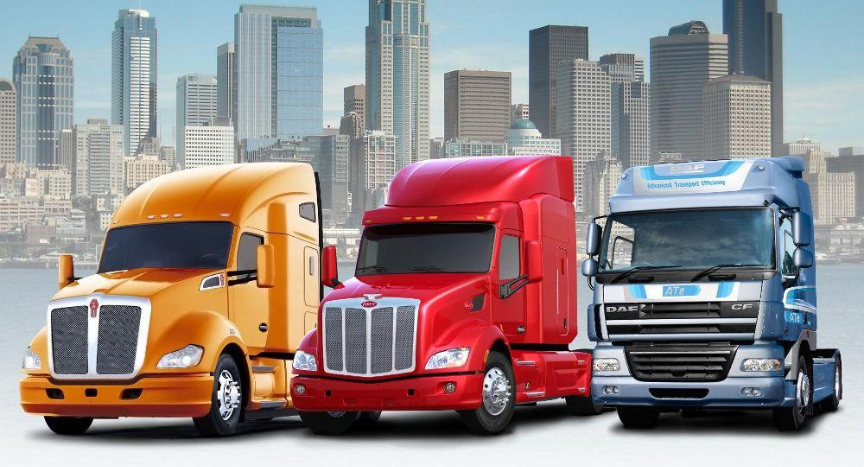
Truck orders have been sluggish lately, and for a good reason: carriers are playing it safe while the freight market finds its footing. But according to Preston Feight, CEO of Paccar — the company behind Kenworth and Peterbilt — that slow pace could be changing soon.
If you’re a driver wondering when newer rigs might start showing up again, or when fleets might start investing in better equipment, this shift matters. Here’s what’s shaping up and why 2026 could look different.
What’s Slowing Things Down?
In Paccar’s Q2 earnings call, Feight made it clear: the hesitation in new truck orders is mostly about uncertainty. Fleets aren’t rushing to replace equipment just yet because too many variables still feel unpredictable — from trade policies to emission rules.
“I don’t think it’s just one area,” Feight told analysts. “I think it’s just getting certainty because, as we get clarity, that will create confidence for our customers. And as they have confidence, then that will increase their ability to order trucks.”
And right now, that confidence is still building. Overcapacity in the truckload sector has put pressure on rates and kept demand low, but that’s slowly starting to shift.
What Could Turn Things Around?
Feight outlined a handful of factors that could shake up the market and create momentum. As these pieces come together, the result could be a wave of truck purchases—benefiting both carriers and drivers.
He pointed to:
- A more balanced truckload sector as excess capacity works its way out
- The One Big, Beautiful Bill Act’s tax benefits create room for investment
- Upcoming emissions rules (specifically the 2027 NOx limits) are driving early equipment upgrades
- And a clearer picture of tariffs, which have inflated costs for months
“One of the things [in] the truckload sector … is that there was some overcapacity,” Feight said. “I think that overcapacity is coming out gradually. And as that gets in balance, it will help with rates … which will help with profitability for the carriers, which will help with the truck orders.”
As rates improve, so will carriers’ willingness to spend on new equipment. That means more reliable trucks—and potentially more options—on the road for drivers.
Where 2026 Comes Into Play
One big catalyst on the horizon? New NOx regulations arriving in 2027. These lower emissions limits will increase costs on newer models, which may push fleets to buy earlier to save money.
Feight explained it this way:
“The law in 2027 is that the standard of NOx will move from 200 milligrams down to 35 milligrams. And if it moves from 200 milligrams to 35 milligrams, that will bring cost to the product, which will encourage customers to buy trucks, probably beginning later in this year.”
And with those pre-buy decisions kicking in, he expects momentum to pick up.
“I feel pretty good about 2026,” he said. “I think that there’s going to be clarity on these regulatory standards … around tariffs one way or another. And … the trucks are getting used. So, 2026 should see improvement.”
What It Means for You
This shift isn’t just about Paccar’s sales — it could shape the rigs you see (and drive) in the next year or two. If the market starts picking up steam:
- Fleets may start cycling in newer trucks again
- Tariff resolutions could ease price pressure on parts and equipment
- Pre-buy trends could give owner-operators more incentive to invest sooner
Whether you’re driving for a carrier or planning your next purchase, these changes could lead to better rides, fewer breakdowns, and more chances to grab the keys to newer gear.
Feight’s forecast points to a rebound—not overnight, but soon. For truckers on the ground, that could mean a stronger market, more investment in equipment, and a better seat for the long haul.
Source: Transport Topics
Image Source: Glass Door