
Front airbags are required in passenger vehicles, but federal rules do not impose the same requirement across the heavy-duty truck market. Most Class 8 trucks have therefore relied on seat belts, cab design, and other safety systems instead of making a steering-wheel airbag standard equipment.
Federal Rules Treat Heavy Trucks Differently
Federal Motor Vehicle Safety Standard 208 sets occupant-protection requirements according to vehicle type and weight. Passenger vehicles must meet automatic frontal-protection requirements that led to widespread airbag use, while heavier commercial vehicles are covered by different provisions and are not universally required to have frontal airbags.
That regulatory difference reflects the fact that a highway tractor is not simply an oversized passenger vehicle. Its cab, frame, seating position and intended operating weight create a different set of crashworthiness questions. NHTSA has studied heavy-truck cab integrity, driver injuries and possible countermeasures separately from passenger-vehicle occupant protection.
Seat Belts Remain the Main Restraint
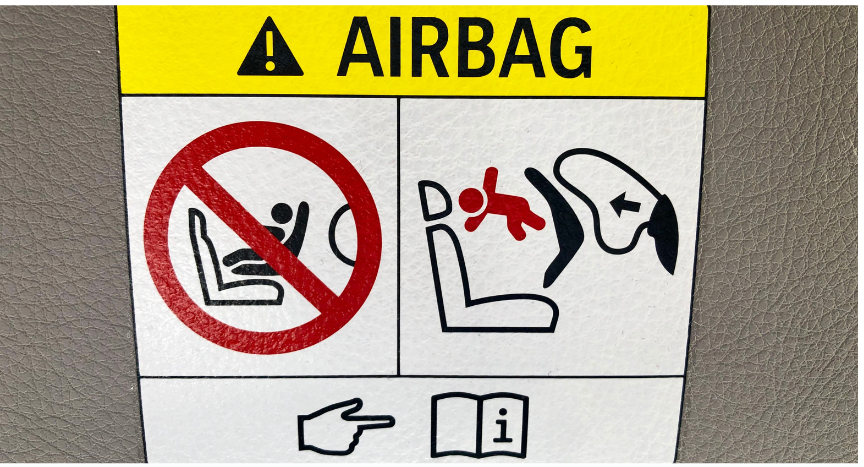
A front airbag is considered a supplemental restraint, not a substitute for a seat belt. NHTSA states that airbags work best when occupants are properly seated and buckled, since the belt controls body movement while the airbag helps reduce contact with the steering wheel or interior.
That relationship matters in a truck cab, where seating position and belt use affect how any additional restraint system performs. Even trucks equipped with frontal or side airbags still depend on the driver wearing the seat belt correctly.
Some Class 8 Trucks Already Have Airbags
Airbags are not absent from heavy-duty trucking. Freightliner has offered steering-wheel airbags and optional rollover-protection seating systems on certain trucks, while Volvo says it was the first North American manufacturer to offer a driver front airbag in a heavy truck.
The latest Volvo VNL expands that approach with frontal and side-curtain protection, automatic emergency features tied to airbag deployment and other active and passive safety systems. Volvo also announced that its integrated side-curtain airbag would become standard equipment, showing that airbag adoption is increasing on selected models even though it remains inconsistent across the market.
Suspension Air Bags Serve a Different Purpose
The airbags beneath a tractor or trailer are not occupant restraints. They are flexible air springs used by the suspension to support weight and control ride height. Air-ride seats also use compressed air for comfort, but neither system is designed to deploy during a collision.
Occupant airbags contain sensors, inflators, and control systems intended to respond during specific crash conditions. The shared terminology confuses, but the systems perform unrelated jobs.
Airbags Are Only Part of Truck Safety
Newer trucks increasingly combine passive protection with systems intended to prevent or reduce crashes. Depending on the model, that equipment can include automatic emergency braking, electronic stability control, lane assistance and collision mitigation.
Most semi trucks do not have front airbags because heavy trucks developed under different federal requirements and design priorities, not because airbags cannot be used in a commercial cab. Their gradual appearance on newer models shows that the technology is becoming another available layer of protection, while seat belts remain essential regardless of the equipment installed.