

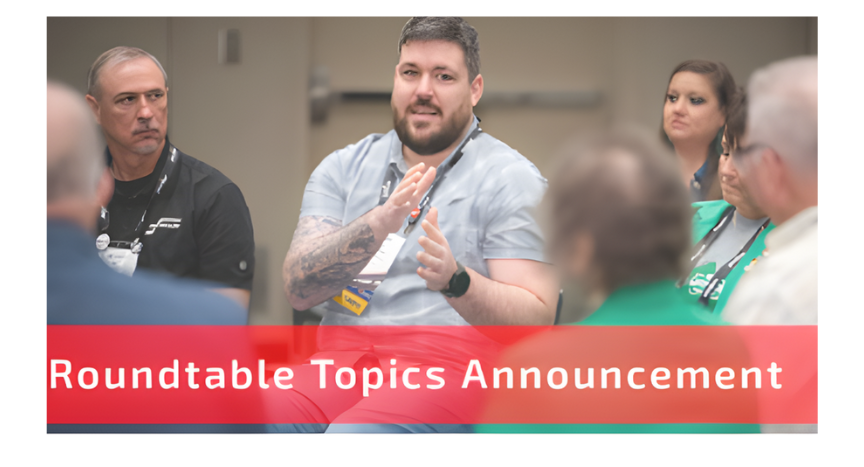
The 2026 TCA Annual Convention introduces a refreshed lineup of moderated, topic-driven roundtable discussions designed to move past surface-level conversation and into practical, experience-based dialogue. These sessions are built for honest exchange, allowing participants to compare approaches, challenge assumptions, and leave with insights that can be applied immediately.
Unlike traditional panels or presentations, the roundtables emphasize participation over observation.
“These quick 45-minute discussions take place on Monday (March 2, 2026) from 11:00–11:45 a.m., giving attendees the chance to sit shoulder-to-shoulder with leaders facing the same headwinds, questions, and opportunities,” TCA said. “Attendees are free to participate in whichever topic-focused discussion is relevant to them.”
Each session targets a core area shaping the truckload sector today, from regulatory pressure to cost control and visibility in a competitive market.
Compliance and Safety in a Shifting Regulatory Environment
One roundtable focuses on compliance and safety at a time when regulatory expectations and enforcement activity continue to evolve. Rather than addressing policy in the abstract, the discussion centers on how organizations are managing risk in real operating environments.
“As regulations shift and enforcement tightens, compliance and safety have become mission-critical pillars of every fleet,” TCA said. “This session explores real-world approaches to mitigating risk, engaging employees, anticipating regulatory changes, and building a culture of accountability across your organization. Whether you manage ten trucks or ten thousand, this conversation will ground your safety strategy in what’s working right now.”
The session, moderated by Dave Heller, Senior Vice President of Safety and Government Affairs at TCA, is designed to surface practical approaches rather than theoretical models.
Equipment and Maintenance Decisions Under Cost Pressure
Equipment strategy continues to be reshaped by longer trade cycles, higher maintenance costs, and shifting investment priorities. Another roundtable is dedicated to open discussion around how carriers are responding to these pressures in real time.
“Longer trade cycles, higher maintenance costs, tariff pressures, changing investment strategies — this open-sharing roundtable goes beyond theory and gets into the real decisions carriers are making to keep their fleets safe, reliable, and cost-effective,” TCA said. “Step away from the abstract and learn directly from peers navigating the same economic conditions shaping your own equipment and maintenance strategy.”
Moderated by Jack Porter, TCA truckload profitability program facilitator, this conversation is designed to examine tradeoffs, not just best practices, and to reflect the realities of today’s market conditions.
Operational Execution and Profitability Levers
Operational performance remains central to financial outcomes, particularly in a market where margins are under constant pressure. One roundtable focuses on how operational decisions translate directly into profitability.
“Operations has always been the engine of the truckload business—and in today’s market, every decision counts,” TCA said. “In this session, participants will explore KPI management, network optimization, TMS utilization, driver engagement, incentive structures, and the operational levers that most directly impact profitability. If you want to learn from carriers who are outperforming in a challenging freight environment, this is the room you want to be in.”
Moderated by Steve Phillips, this discussion emphasizes execution discipline, performance measurement, and the systems that support consistent results.
Marketing, Visibility, and Organizational Alignment
Marketing and brand strategy now extend well beyond advertising. One roundtable addresses how organizations are connecting digital presence, recruiting efforts, and internal alignment between departments.
“This interactive discussion digs into digital strategies, recruiting alignment, paid advertising, social media management, audience targeting, workforce development, and the growing relationship between sales, operations, and brand identity,” TCA said. “Whether you have a marketing department or simply wear the hat yourself, you’ll leave with practical, scalable tactics for elevating your fleet’s presence.”
Moderated by Shepard Dunn, this session focuses on integration rather than isolated tactics, reflecting how visibility and messaging increasingly affect both growth and retention.
Why the Roundtable Format Matters
The structure of these sessions is intentional. Short, moderated, and discussion-driven, the roundtables are designed to encourage candid exchange rather than scripted responses. Participants are able to compare notes with peers facing similar challenges and gain clarity on how others are adapting.
For those attending Truckload 2026, these discussions offer concentrated insight into the decisions shaping the truckload industry right now.
Additional details on Truckload 2026 programming and registration are available here.
Source: The Trucker