

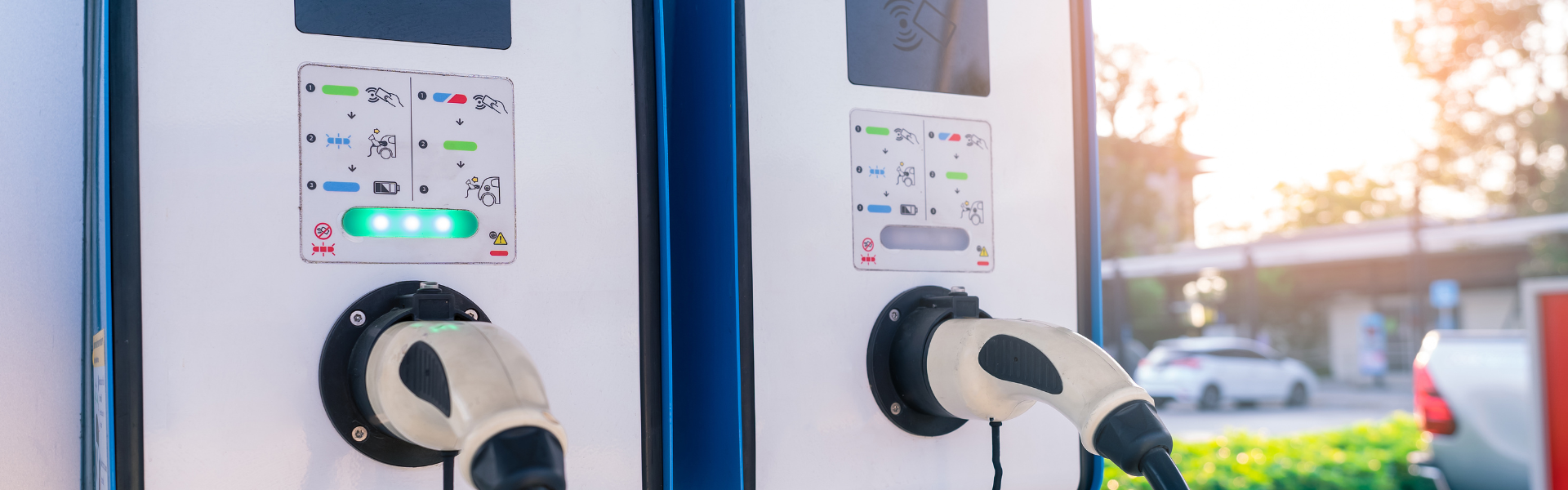
Are you considering making the switch to electric rigs? While it’s a step towards a greener future, it’s important to be aware of the challenges that come with it. The lack of charging stations and support infrastructure across the country can test your patience during this transition.
According to ACT Research’s recent report, CHARGING FORWARD, which focuses on the decarbonization of the U.S. commercial vehicle market, a synchronized effort is required.
The report states that this transition “will require a very coordinated effort between vehicle acquisition and the supporting charging infrastructure to ensure adequate charging infrastructure is in place to support fleet needs.”
Utilities often offer programs to support fleet infrastructure development. They serve as project managers, guiding fleets through the entire process – from “pole to pad” or even “pole to plug.” This assistance is a valuable resource for participating fleets, ACT reports.
“Early adopters of battery-electric commercial vehicles experienced rather lengthy timelines to install EV charging infrastructure,” noted Ann Rundle, vice president of electrification and autonomy with ACT Research. “Utilities have now been able to support timelines of nine to 13 months, from initial preliminary design to final design and construction, but those lead times reflect adequate, existing transformer capabilities. A more conservative rule of thumb indicates fleets should begin planning and coordinating behind-the-fence EV charging infrastructure to allow for an 18- to 24-month lead time.”
In cases where an area needs significant grid upgrades, it will take longer to complete the project, especially if additional approval is required, according to Rundle.
“Feeder upgrades could take more than a year,” she said. “Substation upgrades could take one to two years. New substations could take three years or more, as this would encompass planning, load interconnection studies, and complexities in the permitting process.”
Source: The Trucker