

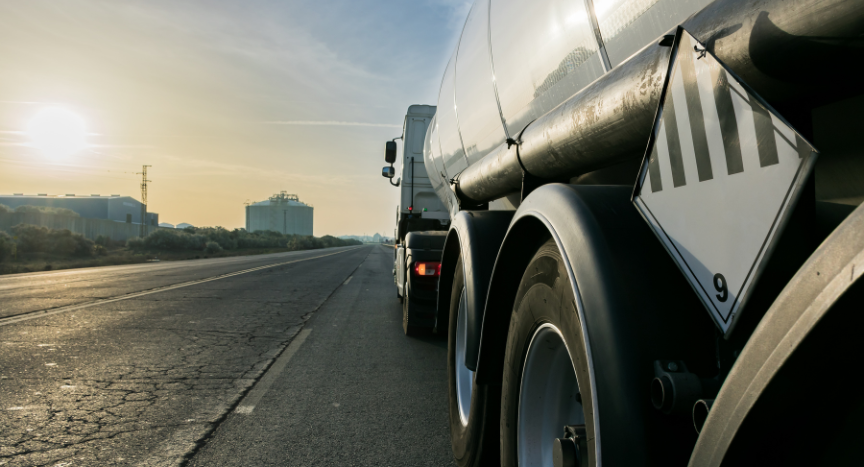
The Federal Motor Carrier Safety Administration (FMCSA) has expanded its regional emergency declaration to address ongoing fuel supply issues, adding four more states to the existing order. On Wednesday, January 29, Illinois, Indiana, Iowa, and Minnesota were added, increasing the total number of states under the emergency declaration in the continental U.S. to 43, along with Washington, D.C.
The order grants motor carriers and drivers in these areas exemptions from the standard maximum driving time when they are directly involved in relief operations. This includes the transportation of critical fuels such as propane, heating oil, gasoline, diesel, natural gas, and heating fuel to the affected regions.
Initially issued on January 10, the emergency declaration addresses challenges posed by severe winter storms and freezing temperatures. These extreme weather conditions have heightened fuel demands while creating significant obstacles in the distribution process.
What Does “Direct Assistance” Mean?
Under the FMCSA’s directive, “direct assistance” refers to transportation and relief services provided by motor carriers or drivers that play a key role in the immediate restoration of essential supplies or services. However, this does not cover transportation intended for long-term recovery beyond the initial emergency phase or for reconstructing damaged infrastructure. Additionally, routine commercial deliveries, including mixed loads with only minimal emergency supplies, do not qualify for the exemptions provided.
Motor carriers or drivers who have been issued an out-of-service order are also not permitted to operate under the declaration until they meet all applicable conditions.
Returning to Normal Operations
Once emergency relief activities conclude, carriers and drivers must comply with standard driving time regulations while operating commercial vehicles. However, drivers can return empty to their terminal or their usual work reporting location without additional restrictions.
If a driver transitions from emergency relief efforts back to normal operations, they must take a 10-hour rest period if their total time engaged in relief efforts or combined relief and everyday driving exceeds 14 hours.
Additional State Declarations
Several states have also implemented their own emergency declarations to provide motor carriers and drivers with additional relief measures tailored to specific regional needs. To learn more about these state-level declarations, detailed information is available here.
Source: Land Line
- commercial vehicles
- critical fuels
- diesel
- driving time exemptions
- emergency declaration
- emergency relief
- FMCSA
- fuel supply issues
- gasoline
- heating fuel
- heating oil
- illinois
- Indiana
- Iowa
- minnesota
- motor carrier regulations
- Motor Carriers
- natural gas
- propane transportation
- relief operations
- state declarations
- winter storms