

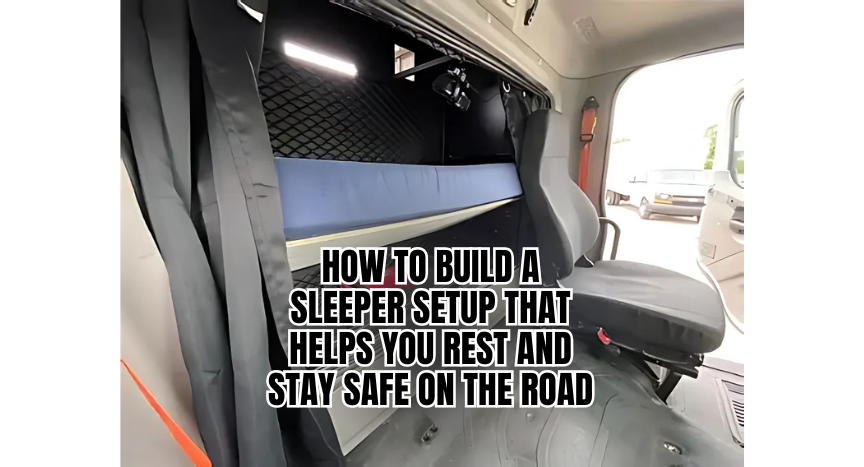
If you’ve spent many nights on the road, you know how hard it can be to really get solid sleep in your sleeper cab. It’s not just about closing your eyes — it’s about setting up a space that helps your body actually recover and stay sharp. A bad sleeper setup can leave you waking stiff, cranky, or even dangerous behind the wheel.
Here’s how to build a sleeper setup that supports real rest and keeps you safe during those long hauls.
Invest in a Comfortable Mattress and Bedding
Your mattress isn’t just where you crash — it’s your recovery station. Most stock mattresses in rigs aren’t built for comfort, and that can cause aches that last beyond your downtime. Many drivers upgrade to memory foam or specialty mattresses made to fit sleeper cabs.
Look for something that supports your spine without being too hard or too soft. Don’t underestimate the power of good bedding — breathable sheets, a quality pillow, and maybe a light blanket or comforter make a big difference. Over time, these small comforts add up to better rest and less fatigue.
Keep Your Sleeping Area Cool and Comfortable
The temperature in your cab can make or break your sleep. Ideally, your space should stay between 60 and 67 degrees Fahrenheit. Since a rig’s metal shell can trap heat, things can get uncomfortably warm fast.
Portable fans that clip to vents or small battery-powered units help circulate air. Using reflective window shades can block out sunlight and heat when you’re parked during the day. In colder months, insulated curtains around the sleeper help keep warmth in and cold drafts out.
Block Out Light and Noise as Much as Possible
Truck stops and rest areas aren’t always the quietest places, and outside lights can sneak in. Blackout curtains or custom window covers block streetlights and early morning sun that can mess with your body clock.
To fight noise, some drivers swear by foam earplugs or white noise machines. Even a phone app with gentle rain or fan sounds can help mask road noise or other drivers nearby. These tricks tell your brain it’s time to shut down, even in less-than-ideal environments.
Stick to a Consistent Sleep Schedule When You Can
Trucking schedules are famously unpredictable. Still, trying to hit your sleep and wake times at roughly the same hours helps your body’s natural rhythm stay on track.
If you can, plan your breaks and off-duty times to line up with regular sleep windows. It’s not always possible, but even small stretches of routine make a difference. Your body loves consistency — it means deeper sleep and faster recovery.
Avoid Caffeine and Heavy Meals Before Bed
Caffeine late in the day, big dinners, or alcohol can wreck your chances of falling asleep fast and staying asleep. Try to limit those in the hours before you plan to rest.
Instead, a light snack and some gentle stretching or reading can help your body wind down naturally. Little rituals like these make your brain associate that time with rest.
Park Where You Feel Safe and Comfortable
Where you park matters — a lot. Busy highway shoulders might seem convenient but can be noisy, unsafe, or stressful. Opt for well-lit rest areas with less traffic if possible.
Feeling safe and relaxed makes a big difference in how quickly you fall asleep and how restful that sleep is. Plus, less noise from passing trucks means fewer interruptions.
Understand Why Getting Quality Rest is Critical
Fatigue isn’t just feeling tired — it’s a serious safety risk. Sleep deprivation slows your reaction times, clouds judgment, and increases chances of accidents. Truck drivers with poor sleep face more crashes and near misses.
Taking sleep seriously isn’t just about your comfort; it’s about protecting your life and everyone else on the road.
Building a sleeper setup that works for you is one of the smartest things you can do behind the wheel. Small investments in a good mattress, managing temperature, blocking light and noise, and choosing safe parking spots add up to better rest and safer driving.
The road is tough enough — don’t let poor sleep make it harder. Your health, safety, and career depend on it.
- driver safety and rest
- improve sleep on the road
- long haul rest tips
- manage cab temperature
- noise reduction in sleeper cab
- rest for truck drivers
- safe parking for truckers
- sleep schedule for drivers
- sleeper cab setup
- truck driver health
- truck driver sleep tips
- truck sleeper comfort
- trucker mattress guide
- trucking fatigue prevention