


Weight enforcement is one of the most consistent operational risks truck drivers face across the United States. While federal weight limits are standardized, enforcement intensity and inspection focus vary widely by state, region, and corridor. Understanding where weight enforcement is concentrated helps drivers plan routes, manage axle weights, avoid citations, and reduce downtime. This guide explains how state-level weight enforcement works, where hotspots are commonly found, and what drivers can do to stay compliant.
How state weight enforcement actually works
States enforce weight limits through a mix of permanent weigh stations, portable scales, inspection teams, and law enforcement partnerships. Most states operate under the federal gross vehicle weight limit of 80000 pounds on interstate highways, but axle and bridge formulas are enforced at the state level. States also regulate weight limits on non-interstate roads, which are often lower and more aggressively enforced.
Agencies involved typically include state departments of transportation, state police, highway patrol, and, in some regions, agricultural inspection services. Enforcement priorities are shaped by infrastructure protection, safety data, and freight volume.
Common locations where weight enforcement is concentrated
Weight enforcement is not random. Hotspots tend to appear in predictable locations tied to freight movement and infrastructure sensitivity.
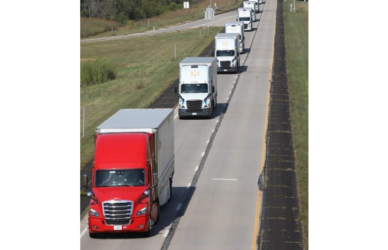
Major freight corridors, such as interstate highways with high truck volumes, are frequent enforcement zones. States often focus on corridors connecting ports, rail yards, and distribution centers.
Ports of entry and border crossings are among the most active weight enforcement areas. This includes international borders and state line crossings where trucks transition between jurisdictions.
Agricultural inspection stations in states like California, Arizona, Florida, and Texas frequently check both cargo compliance and vehicle weight, especially for produce and livestock hauls.
Mountain passes and bridge approaches are heavily monitored due to structural limits and safety risks. States with significant elevation changes often enforce axle weights more strictly in these areas.
Urban industrial zones near ports, warehouses, and manufacturing hubs are common targets for mobile enforcement teams using portable scales.
Why do some states enforce weight limits more aggressively
States with older infrastructure tend to enforce weight limits more strictly to protect roads and bridges. Areas with high freight density also see more frequent inspections due to increased wear and safety concerns.
Weather plays a role as well. During spring thaw periods in northern states, temporary weight restrictions are common on secondary roads to prevent damage from soft pavement.
Funding and staffing levels also matter. States with dedicated commercial vehicle enforcement units typically conduct more frequent and detailed inspections.
What drivers are typically checked for during weight enforcement stops
Weight enforcement inspections often go beyond total gross weight. Officers commonly check axle distribution, tandem spacing, and bridge formula compliance. Improper weight distribution is one of the most frequent causes of citations, even when the total weight appears legal.
Drivers may also face checks on load securement, permits for overweight or oversize loads, and compliance with route restrictions tied to issued permits.
Documentation is another focus area. Officers may request bills of lading, permits, and registration information to verify cargo type and authorized weight allowances.
How weight enforcement impacts driver time and pay
Weight inspections can lead to delays ranging from a few minutes to several hours, depending on compliance issues. Out-of-service violations for weight-related problems can result in required offloading, load rebalancing, or towing.
Citations and fines vary by state but can be significant. Repeated violations may affect carrier safety scores, which can impact job stability and future employment opportunities.
Understanding enforcement patterns allows drivers to reduce unexpected delays and avoid situations that lead to unpaid downtime.
Practical steps drivers can take to reduce risk.
Before departure, drivers should verify axle weights using certified scales, not just shipper estimates. Rechecking weight after fuel stops or trailer swaps is especially important.
Route planning matters. Drivers should confirm whether their route includes secondary roads, bridges, or seasonal restrictions that carry lower weight limits.
Permits must be accurate and route-specific. Carrying an overweight permit does not authorize deviation from approved routes.
Staying informed about state-specific enforcement practices helps. Many state departments of transportation publish commercial vehicle enforcement updates and seasonal restriction notices.
Clear communication with dispatch and shippers about weight distribution issues protects drivers from being pressured into unsafe or noncompliant moves.
Why understanding enforcement hotspots matters
Weight enforcement is not about catching drivers off guard. It is a predictable part of freight movement designed to protect infrastructure and improve safety. Drivers who understand where enforcement is concentrated and how inspections are conducted are better positioned to protect their time, income, and record.
As freight volumes continue to shift across regions, enforcement patterns evolve as well. Treating weight compliance as a core operational skill rather than an afterthought helps drivers stay efficient and compliant across state lines.