
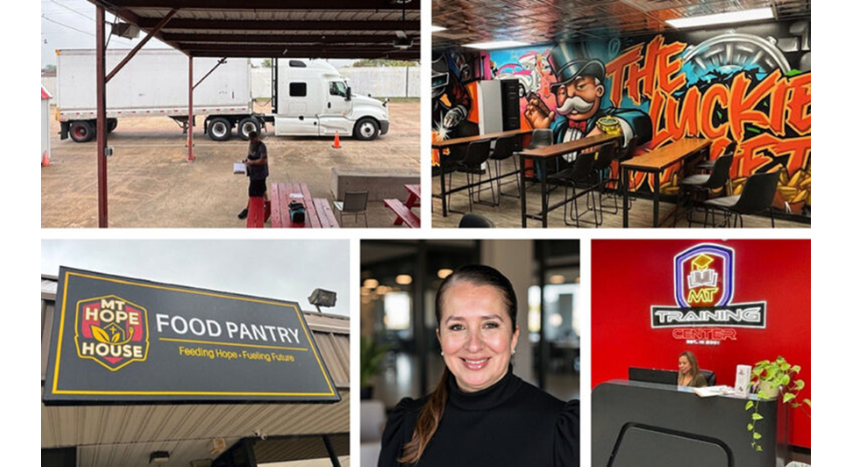
MT Training Center, founded by Melissa Cuellar just south of Dallas, is expanding what CDL training looks like by offering multiple license paths, financial aid options, and long-term career support. Instead of treating CDL training as a single-track program, the school provides flexible entry points, entrepreneurship training, and support systems designed to help drivers build sustainable careers.
“It’s really interesting, because I actually started my own medical transcription company when I was 21, and I did that for about six years,” Cuellar said. “Part of my job was to train people how to do medical transcription.”
That background shaped how the program developed. What started as a training business outside trucking eventually expanded into CDL programs as demand grew.
“I started exploring (the options), and in 2003 we implemented our very first CDL training program,” she said.
How does this CDL program differ from standard truck driver training?
MT Training Center offers multiple training paths instead of a single program, allowing drivers to choose based on experience level and career goals. Some students enter with a commercial learner’s permit and only need drive time, while others start from the beginning and complete a full training program. The school also offers both Class A and Class B CDL pathways, which support drivers targeting over-the-road work as well as local or passenger-focused roles.
“(I want to) meet the students where they are and help with their specific needs,” Cuellar said.
| Program Type | Length | Who It’s For | Outcome |
| Standard CDL program | ~6 weeks | New drivers starting from scratch | CDL + full training |
| Advanced CDL program | ~16 weeks | Drivers interested in business ownership | CDL + entrepreneurship training |
| Drive-time program | Varies | Drivers with a CLP | License completion |
| Class B program | Varies | Local or passenger drivers | Class B CDL |
All program paths lead to a CDL, but the structure allows drivers to avoid repeating steps they do not need.
How much does CDL training cost, and how do drivers afford it?
A standard six-week CDL program costs around $6,500, which can be a barrier for many drivers entering the industry.
“With cash-based programs, a regular six-week CDL training program is about $6,500. It can be hard to come up with that up front. People don’t have that kind of money,” Cuellar said.
To address that, the program offers financial aid options such as Pell Grants and includes an advanced training track focused on long-term earning potential.
“We teach entrepreneurship, how to obtain your own authority and business planning all within this program while they’re also obtaining their CDL — and it’s federally approved,” she said.
This approach gives drivers the option to move into company roles or pursue owner-operator opportunities after training.
Why does this program focus on second-chance opportunities?
Many students entering the program have limited access to traditional employment due to their records or financial setbacks.
“The greater majority of our students… have been previously incarcerated,” Cuellar said. “I feel like it’s a population that has kind of been turned away by society.”
MT Training Center accepts students with backgrounds that other schools may reject, creating a pathway into trucking for drivers who might otherwise be excluded.
“Our CDL program is background-friendly,” she said.
That access creates opportunities for long-term income and stability in an industry that continues to need qualified drivers.
What kind of support do drivers receive during training?
Support at the MT Training Center extends beyond classroom instruction, especially for drivers facing financial pressure while completing the program.
“We decided to establish a food pantry to assist the students,” Cuellar said. “They basically can go there and get groceries every single week…”
The program also helps students find part-time work while training and provides resources that make it easier to complete the program without dropping out.
What happens after drivers complete the program?
Career support continues after graduation, which is not standard across all CDL schools.
“We help them with resume-writing and interviewing skills, and we start giving them job leads,” Cuellar said. “We also have employers that come here on-site.”
The program also offers long-term placement support.
“We also have lifetime placement… they come right back to us… and we help them again and again and again,” she said.
This gives drivers continued access to job opportunities as their careers change over time.
What long-term results can CDL training create for drivers?
The long-term impact of CDL training often shows up years after the program is completed.
“Last month I had my very first CDL student from 2003 come and visit… he said thank you for ‘basically saving me,’” Cuellar said.
That driver had served 12 years in prison and was unable to enroll in other programs, but later built and retired from his own logistics company.
“He’s made millions running his own operation. And I just couldn’t be more proud,” she said.
These outcomes show how access to training and support can change long-term earning potential for drivers.
Frequently asked questions
Q: How long does CDL training take?
Most standard CDL programs take about six weeks, while advanced programs can run up to 16 weeks.
Q: How much does CDL training cost?
A typical program costs around $6,500, though financial aid options may reduce that cost.
Q: Can drivers with a criminal record get CDL training?
Some programs are background-friendly and accept drivers with prior convictions.
Q: Does CDL training help drivers become owner-operators?
Some advanced programs include business training that prepares drivers to run their own operation.
Q: Do CDL schools help drivers find jobs?
Many programs offer job placement support, and some provide long-term assistance even after graduation.
CDL training can do more than help drivers earn a license. Programs that combine flexible training paths, financial support, and long-term placement assistance create opportunities for drivers to build stable careers and move into higher earning roles over time.
The Truck Drivers USA editorial team creates practical, driver-focused content covering industry topics, job trends, and real-world decisions that impact drivers at every stage of their careers. Each article is written to provide clear, accurate information that drivers can use.
Last Updated: April 22, 2026
Source: The Trucker