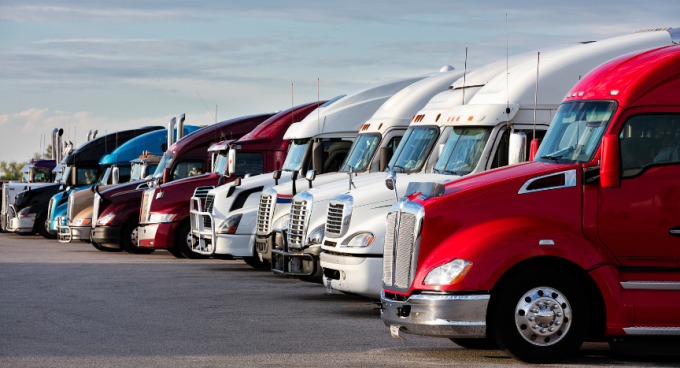

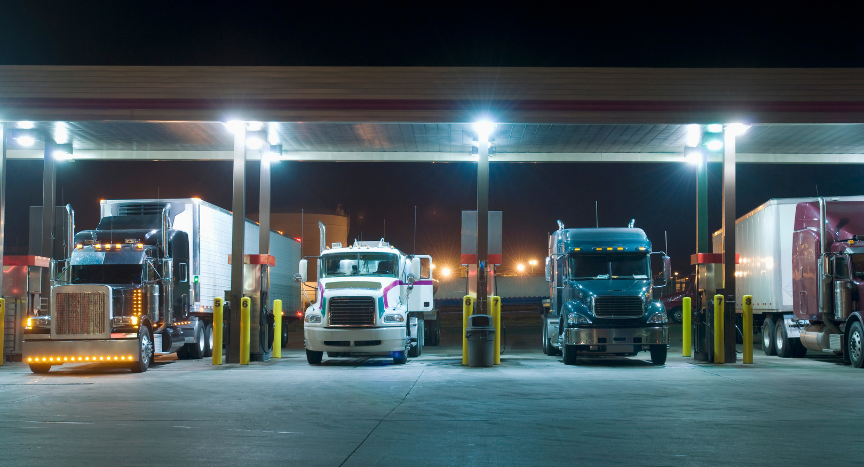
The truck stops drivers rely on most in America are Iowa 80 Truckstop, TA TravelCenters of America, Pilot Flying J, Little America Travel Center, and select Buc-ee’s locations because they provide the highest parking capacity, consistent layouts, and dependable services across major freight routes.
| Truck Stop | Why Drivers Rely on It | Parking Capacity | Coverage |
| Iowa 80 Truckstop | Largest single-location stop with full services | Extremely high | Single location |
| TA TravelCenters of America | Consistent full-service stops with maintenance | High | Nationwide |
| Pilot Flying J | Most widely accessible network on major highways | High | Nationwide |
| Little America Travel Center | High-capacity parking with lower congestion | High | Regional |
| Buc-ee’s (select locations) | High facility condition where truck access is allowed | Moderate to high | Limited |
These locations stand out based on four consistent factors: parking availability, facility condition, service access, and reliability across routes.
What makes a truck stop one driver relies on?
Drivers rely on truck stops that consistently provide parking, clean facilities, and fast access without delays. Parking availability in the evening matters most because it directly affects hours of service and trip planning.
Once parking is covered, the focus shifts to how efficiently a stop supports the rest of the trip. Clean facilities improve rest on multi-day runs, while fast-moving fuel lanes reduce downtime. Access to maintenance or tire service becomes critical when issues come up on the road.
Consistency across locations is what allows drivers to plan stops without second-guessing the outcome.
Which truck stops do drivers rely on most?
Those expectations show up clearly in the stops drivers return to most often.
Iowa 80 Truckstop in Walcott, Iowa, is widely recognized as the largest truck stop in the United States and is used as a destination stop because it can handle high volume without sacrificing access to services.
TA TravelCenters of America operates a nationwide network built for truck traffic. Drivers use these locations because they know what to expect in terms of parking, fuel access, and maintenance support along major routes.
Pilot Flying J fills a different role by offering the widest coverage across U.S. highways. It is often the default option when drivers need to stop without leaving their route.
Little America Travel Center along I-80 in Wyoming is used for a different reason. Its high parking capacity and lower congestion make it a reliable overnight option when larger chain locations are full.
Buc-ee’s locations that accommodate trucks are used more selectively. Where access is available, they stand out for facility condition rather than network coverage.
How do these truck stops compare when planning a stop?
When planning, the difference between these stops comes down to how they are used during a run.
Iowa 80 works best as a full-service stop where multiple needs can be handled at once. TA TravelCenters of America supports long-haul planning by offering consistent services across routes. Pilot Flying J is most useful when staying on route is the priority, and time off the highway needs to be minimal.
Little America becomes the better option when parking availability matters more than services. Buc-ee’s fits in when available, but it is not something drivers can rely on consistently across routes.
The choice is less about which stop is “better” and more about which one fits the situation at that point in the trip.
How do chain truck stops compare to independent locations?
That same decision shows up when comparing chain and independent truck stops.
Chains provide predictable layouts, fuel access, and services, which make planning easier. Independent stops vary more, but they often provide easier parking, especially later in the day when chain locations are full.
Drivers who manage time well typically use chains for structure and independent stops for flexibility.
What should drivers prioritize when choosing a truck stop?
At that point, the focus shifts to what actually matters in the moment.
- Parking availability during peak hours
- Clean and usable facilities
- Fuel lanes that move efficiently
- Space for safe entry and exit
- Access to service when needed
These factors determine whether a stop supports the trip or creates delays.
Are the best truck stops the same on every route?
Not every route gives drivers the same options.
High-traffic corridors rely heavily on chain locations, which tend to fill earlier in the day. Lower-density routes often provide more flexibility, with independent or regional stops offering better parking availability.
Understanding how those patterns change by route helps drivers make better decisions before they reach the point of needing a stop.
How can drivers consistently find reliable truck stops?
That is where planning and experience come together.
Drivers who consistently find reliable stops check parking conditions before arrival and adjust based on time of day. Real-time tools help, but repeated routes make the biggest difference over time.
Knowing which stops consistently have space and which ones fill early removes guesswork and keeps trips on schedule.
Frequently asked questions
Q: What is the largest truck stop in America?
Iowa 80 Truckstop in Walcott, Iowa, is widely recognized as the largest truck stop in the United States.
Q: Are chain truck stops better than independent ones?
Chain stops provide consistency, while independent stops often provide more available parking.
Q: What time do truck stops usually fill up?
Most truck stops begin filling in the late afternoon and early evening along major freight routes.
Q: Do all truck stops offer showers?
No, but most major truck stop chains provide shower facilities.
Q: How can drivers find parking availability?
Drivers use route planning tools and apps that show real-time parking availability and driver feedback.
Truck stops drivers rely on most are the ones that consistently provide parking, predictable access, and the ability to stay on schedule without delays.
The Truck Drivers USA editorial team creates practical, driver-focused content covering industry topics, job trends, and real-world decisions that impact drivers at every stage of their careers. Each article is written to provide clear, accurate information that drivers can use.
Last Updated: April 21, 2026