

A HazMat endorsement allows CDL holders to legally haul freight requiring federal hazardous materials placards during transportation. Fuel, industrial chemicals, compressed gases, refinery freight, explosives, corrosive materials, and certain manufacturing loads can all require HazMat certification depending on the cargo involved.
Fuel hauling and tanker operations are some of the most common jobs connected to the endorsement, but chemical transportation, industrial freight, refinery work, and dedicated manufacturing accounts also rely heavily on properly certified operators. In freight markets built around ports, refineries, pipeline hubs, fuel terminals, or industrial plants, HazMat certification can create access to jobs unavailable to standard CDL holders.
Federal Security Screening Comes Before State Testing
The endorsement process starts with federal security screening through the Transportation Security Administration before any written testing takes place at the state level.
Applicants must complete fingerprinting, identity verification, and a federal security threat assessment tied to hazardous freight transportation. Certain felony convictions, terrorism related offenses, immigration status issues, or federal security disqualifications can prevent approval completely.
Processing timelines vary depending on the federal review itself. Some applications clear quickly, while others remain under review for several weeks before approval arrives.
After federal clearance is completed, applicants can move forward with the HazMat written knowledge exam through the state licensing agency.
The Written Test Focuses on Cargo Rules and Safety Procedures
The exam covers hazardous material classifications, shipping papers, warning placards, loading restrictions, emergency response procedures, cargo handling requirements, and transportation safety regulations tied to regulated freight.
Most applicants prepare using the hazardous materials section of the CDL manual before scheduling the written test.
Unlike endorsements such as tanker or doubles and triples, HazMat certification also requires ongoing federal review after approval instead of remaining permanently active without renewal.
Many Specialized Freight Jobs Require Multiple Endorsements
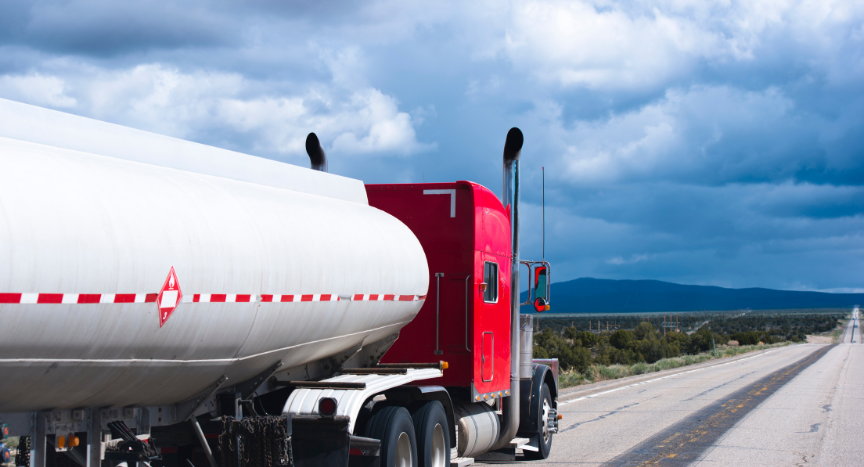
Many fuel hauling positions require both tanker and HazMat endorsements because flammable liquids are transported inside tanker equipment under stricter federal regulations.
Chemical transportation, industrial liquid hauling, refinery freight, and certain manufacturing operations may also require multiple endorsements depending on the freight itself.
Some carriers handling specialized freight will not consider applicants unless both endorsements are already active before hiring.
HazMat Freight Usually Involves More Responsibility
Specialized hazardous freight operations generally involve tighter procedures than standard dry van or general freight work.
Additional inspections, routing restrictions, unloading procedures, paperwork rules, parking limitations, security requirements, and emergency response expectations often become part of daily operations depending on the cargo involved.
Carriers operating in hazardous materials freight frequently maintain stricter hiring standards because accidents involving regulated cargo can create major environmental, legal, and financial consequences.
Strong safety histories and clean driving records usually matter more in specialized freight sectors handling hazardous materials.
Industrial Freight Markets Often Create More HazMat Opportunities
The endorsement tends to hold more value in areas tied heavily to industrial freight activity.
Ports, refineries, fuel terminals, chemical plants, manufacturing hubs, and pipeline corridors usually generate far more HazMat opportunities than markets focused mainly on standard dry van freight.
In some regions, experienced HazMat operators remain difficult for carriers to find because the available labor pool stays smaller than the number of specialized freight openings.
For operators planning to remain entirely in standard dry van freight, the endorsement may not see frequent use.
HazMat Certification Requires Ongoing Renewal
The endorsement does not remain permanently active after initial approval.
Updated TSA background screening remains part of maintaining HazMat certification throughout a commercial driving career. If certification expires, parts of the approval process may need to be repeated before hauling regulated freight again.
Some operators eventually allow the endorsement to expire after leaving specialized freight sectors, while others keep it active because it creates additional flexibility when freight markets shift.
Frequently Asked Questions
Does HazMat certification require TSA background screening?
Yes. Federal TSA security threat assessment approval is required before states can issue the endorsement.
Can felony convictions prevent HazMat approval?
Yes. Certain felony convictions, terrorism related offenses, and federal security disqualifications can prevent approval.
Do fuel hauling jobs require tanker and HazMat endorsements together?
Many fuel hauling operations require both certifications because the freight involves flammable liquids transported in tanker equipment.
How long does approval usually take?
Timelines vary depending on TSA processing and state testing availability.
Does HazMat certification require renewal?
Yes. Periodic TSA review and renewal requirements remain part of maintaining the endorsement.
HazMat certification creates access to specialized freight sectors that standard CDL holders cannot legally enter without additional approval. Fuel hauling, refinery freight, tanker operations, chemical transportation, and industrial freight all rely heavily on properly certified operators capable of handling regulated cargo safely.
The Truck Drivers USA editorial team creates practical, driver-focused content covering industry topics, job trends, and real-world decisions that impact drivers at every stage of their careers. Each article is written to provide clear, accurate information that drivers can use.
Last updated: May 14, 2026