

Missouri remains one of the stronger states for new CDL drivers because of its central freight location, major interstate access, and wide mix of trucking operations tied to manufacturing, warehousing, agriculture, food distribution, and long-haul freight movement.
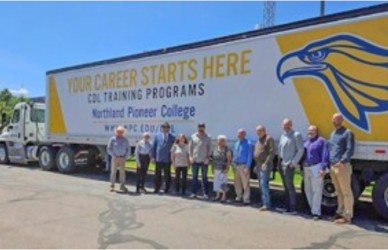
For people preparing to enter trucking, Missouri offers a combination of independent CDL schools, community college programs, and carrier-sponsored training options throughout the state.
The right school usually depends on training quality, driving time, licensing goals, schedule flexibility, and the type of trucking job a student plans to pursue after graduation.
Some of the better-known CDL training options in Missouri include:
Louis Community College Truck Driving Program
State Fair Community College Commercial Driving Academy
Three Rivers College Commercial Driving Training
Ranken Technical College CDL Program
Clement Truck Driving Academy
CDL Pros Kansas City
Programs, tuition, endorsements, testing availability, and training schedules can vary heavily between schools, which is why students should compare more than just price before enrolling.
Missouri Students Should Verify ELDT Compliance First
Before choosing a CDL school, students should confirm that the training provider is properly listed through the Federal Motor Carrier Safety Administration’s Training Provider Registry. Federal Entry Level Driver Training rules require new Class A CDL applicants and certain Class B applicants to complete training through an approved provider before taking the CDL skills test.
Missouri students should also verify:
Whether the school offers Class A or Class B training
If manual transmission training is included
Whether testing is available onsite
How much actual driving time is provided
What endorsements are covered during training
Whether weekend or evening classes are available
Some schools focus primarily on basic CDL licensing, while others also prepare students for tanker, passenger, doubles/triples, or hazardous materials endorsements.
Driving Time Often Separates Strong Programs from Weak Ones
One of the biggest differences between CDL schools is the amount of actual behind-the-wheel experience students receive before testing. Some programs spend large amounts of time in classrooms or observation periods, which some argue limits real driving repetition.
Students comparing Missouri schools should ask:
How many students share each truck
How much backing practice is included
Whether highway driving is part of training
How many hours are spent actively driving
Whether instructors remain inside the truck during road training
More driving repetition usually helps students feel more prepared for their first trucking job after licensing. The strongest programs usually balance classroom instruction with consistent road time instead of rushing students through basic maneuvers simply to complete testing requirements.
Independent Schools and Sponsored Training Programs Work Differently
Missouri students can generally choose between independent CDL schools and carrier-sponsored training tied directly to a trucking company. Independent schools may provide more flexibility when choosing employers after graduation, although upfront tuition costs are often higher. On the other hand, carrier-sponsored programs sometimes reduce initial training costs in exchange for employment agreements after licensing.
Before signing any sponsorship agreement, students should understand:
Length of required employment contracts
Repayment rules if leaving early
Starting pay structure
Route expectations
Home time schedules
Whether additional driver training follows CDL graduation
The lowest upfront cost does not always create the strongest long-term opportunity if the contract terms become restrictive later.
Missouri Gives New Drivers Access to Several Freight Markets
Missouri’s freight network gives new CDL holders access to several types of trucking operations shortly after training.
Regional dry van freight, refrigerated hauling, agriculture transportation, flatbed operations, dedicated retail freight, and intermodal transportation all remain active throughout the state.
Kansas City and St. Louis continue serving as major freight hubs because of interstate access, rail connections, warehouse growth, and large distribution networks tied to Midwest freight movement. That variety can help newer drivers move between different freight sectors as experience starts building.
For many students, the best CDL school is not necessarily the closest location or the fastest program. Training quality, real driving experience, instructor support, job placement assistance, and long-term career flexibility usually matter far more once a driver enters the industry full-time.
Frequently Asked Questions
Do Missouri CDL schools usually help students find jobs after graduation?
Many schools maintain relationships with regional and national carriers, although placement support and recruiter access vary by program.
Can financial aid be used for CDL training in Missouri?
Some community colleges and approved training providers offer financial aid options, workforce grants, veteran benefits, or payment plans for qualified students.
Should students learn on automatic or manual transmission trucks?
Some carriers now operate mostly automatic equipment, but manual transmission training can still create broader job flexibility after graduation.
What endorsements are worth considering during CDL school?
Tankers, doubles/triples, passenger, and hazardous materials endorsements can create access to additional job opportunities, depending on the type of freight a driver wants to haul.
Do all Missouri CDL schools train for over-the-road trucking jobs?
No. Some programs focus more heavily on regional freight, local delivery operations, passenger transportation, or carrier-specific hiring pipelines.
Missouri continues attracting new CDL students because its freight network connects multiple major shipping regions across the country. For people entering trucking for the first time, choosing the right school can heavily influence both early job opportunities and long-term career flexibility.
The Truck Drivers USA editorial team creates practical, driver-focused content covering industry topics, job trends, and real-world decisions that impact drivers at every stage of their careers. Each article is written to provide clear, accurate information that drivers can use.
Last updated: May 19, 2026