
Many veterans move into trucking because the work still rewards structure, responsibility, time management, and equipment knowledge. The transition makes sense for a lot of former service members, but choosing the right carrier matters more than many new drivers realize during the first year.
A high starting CPM does not automatically mean the company is a good long-term fit. Some fleets offer better training, more stable freight, stronger dispatch communication, or schedules that work better for veterans adjusting to civilian life after years of military routines and deployments.
Several well-known carriers regularly recruit veterans because military experience often translates well into trucking operations.
- Schneider National
- Werner Enterprises
- Roehl Transport
- J.B. Hunt Transport Services
- TMC Transportation
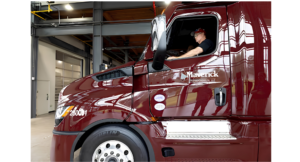
- Maverick Transportation
- Melton Truck Lines
Some of those fleets focus heavily on structured onboarding and apprenticeship programs. Others attract veterans because of flatbed freight, dedicated operations, specialized hauling, or long-term advancement opportunities after the first year behind the wheel.
The First Year Usually Shapes Long-Term Retention
Many new drivers leave their first carrier faster than expected because the day-to-day reality of the job does not match recruiting conversations.
Veterans entering trucking often adjust better when companies clearly explain freight expectations, home time, dispatch procedures, equipment policies, and pay structure before orientation even begins. Operations that constantly change schedules or communicate poorly can become frustrating quickly for drivers used to organized systems and accountability.
The first several months also tend to expose issues that recruiting ads never mention. Long wait times at shippers, weak maintenance support, inconsistent miles, or unclear dispatcher communication usually matter more long-term than sign-on bonuses.
Some veterans prefer large carriers during the first year because bigger fleets often provide more freight consistency and established training systems. Others eventually move toward smaller operations where communication feels more direct and schedules become easier to predict.
Freight Type Matters More Than Many Drivers Expect
Not every veteran wants the same type of trucking job after leaving military service.
Some drivers intentionally avoid over-the-road freight because they want more time at home after years spent traveling or deployed away from family. Others prefer the independence of long-haul trucking and enjoy spending extended time on the road.
Flatbed and specialized freight often attract veterans because the work stays more physically active and involves cargo securement, planning, and technical responsibility beyond simply backing into docks. Drivers looking for tanker, heavy haul, or dedicated freight operations may also find that those environments feel more structured than standard dry van freight.
The best carrier usually depends less on reputation alone and more on whether the freight, schedule, and operational style actually fit the life the driver wants to build after military service.
Frequently Asked Questions
Can veterans use GI Bill benefits for CDL training?
Some CDL schools and apprenticeship programs participate in GI Bill-eligible training pathways.
Do trucking companies give veterans hiring preference?
Some fleets actively recruit veterans because military experience often translates well into trucking operations and safety-focused work environments.
Why do many veterans choose flatbed trucking?
Flatbed operations often involve more physical work, cargo securement, and procedural consistency compared to standard dry van freight.
Are smaller trucking companies better for veterans?
Some veterans prefer smaller fleets because communication can feel more direct and personal compared to larger operations.
Should first-year drivers switch companies quickly if problems start?
Many experienced drivers recommend paying close attention to communication, freight consistency, equipment quality, and home time during the first year before deciding whether a carrier is the right long-term fit.
Veterans usually succeed most in trucking when they focus on how the operation actually runs once orientation ends. Stable freight, organized communication, realistic scheduling, and strong maintenance support tend to shape long-term job satisfaction far more than recruiting promises alone.
The Truck Drivers USA editorial team creates practical, driver-focused content covering industry topics, job trends, and real-world decisions that impact drivers at every stage of their careers. Each article is written to provide clear, accurate information that drivers can use.
Last updated: May 15, 2026