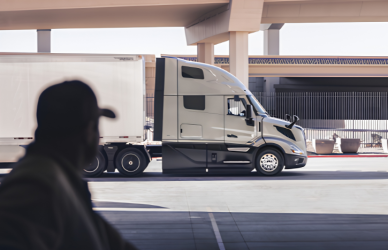



When a major concert tour arrives at a stadium or arena, fans see a finished stage, towering video screens, elaborate lighting, and a production that appears ready to begin. Behind that performance is a transportation operation that starts long before the venue opens.
Professional truck drivers move nearly every piece of equipment required for a modern concert tour, making trucking one of the most important parts of the live entertainment industry. Every stop depends on carefully planned freight movements that allow production crews to build, operate, dismantle, and move an entire show to the next city.
Every Trailer Is Loaded for a Specific Purpose
Entertainment tours aren’t loaded the same way as general freight. Equipment is organized by department so production crews can begin work as soon as the trailers arrive.
Lighting equipment, audio systems, stage components, LED screens, musical instruments, wardrobe, merchandise, and production offices are typically assigned to dedicated trailers. That organization allows multiple crews to unload at the same time instead of waiting for equipment to be located, helping keep productions on schedule during the limited time available for setup.
Some Concert Tours Move an Entire City on Wheels
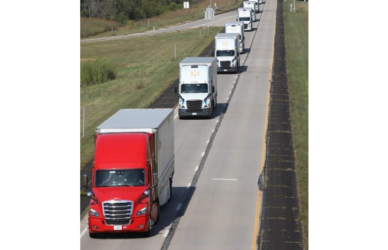
The size of a touring fleet depends on the production, but the largest stadium tours can require well over 100 tractor-trailers.
One of the best-known examples was U2’s 360° Tour, which reportedly used approximately 120 trucks to transport its stage and production equipment between venues. While few productions reach that scale, the example illustrates just how much freight is involved in moving a major concert from one city to the next.
The Schedule Doesn’t End When the Audience Goes Home
Once the final song is over, production crews immediately begin dismantling the stage, packing equipment, and loading trailers in a predetermined order. As trailers are completed, many drivers depart overnight so equipment reaches the next venue in time for another full day of setup.
Unlike many freight movements that operate around delivery appointments, concert tours are built around fixed performance schedules. Every truck has to arrive when the production needs it because each department depends on equipment being unloaded in sequence before rehearsals and sound checks can begin.
Entertainment Trucking Is a Specialized Niche
Moving live entertainment has developed into a specialized segment of the trucking industry. Some carriers focus almost exclusively on concerts, theatrical productions, and other touring events, providing drivers who understand the unique scheduling and operational demands of live productions.
Many drivers remain with the same tour for weeks or months, traveling the same route as the artists and production crews while helping keep the tour moving from venue to venue.
Trucking Makes Every Performance Possible
Before the first light turns on or the first note is played, truck drivers have already delivered the equipment that transforms an empty venue into a concert stage. After the crowd leaves, they begin the process again by transporting that same production to its next destination.
For fans, a concert lasts a few hours. For the trucking industry, every performance is part of a continuous logistics operation that connects one city to the next and keeps live entertainment moving across the country.
Frequently Asked Questions
Which companies specialize in concert tour transportation?
Several carriers specialize in entertainment logistics, providing transportation for concert tours, theatrical productions, and other live events. These companies coordinate closely with production managers to meet demanding touring schedules.
Why are concert trailers loaded by department instead of by venue area?
Department-based loading allows lighting, staging, audio, video, and other production crews to begin unloading simultaneously, reducing setup time and helping productions stay on schedule.
Why do many concert tour trucks leave immediately after a show?
Overnight travel gives production crews the maximum amount of time to rebuild the production at the next venue before rehearsals, sound checks, and the next performance.
Are the same drivers used throughout an entire tour?
Many entertainment carriers assign dedicated drivers to a production, allowing them to remain with the tour for extended periods and become familiar with its schedule, equipment, and operating procedures.
The TDUSA editorial team creates practical, driver-focused content covering trucking news, industry updates, safety, regulations, and career information for professional truck drivers across the United States. Each article is built to reflect real-world experience, industry developments, and information drivers can use on and off the road.
Last Updated: July 17, 2026